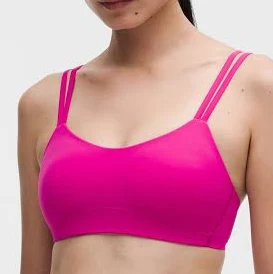
lululemon Like A Cloud Sports Bras
Lower PFAS risk for basic stretch athletic wear; Lululemon offers no PFAS commitments or obvious water-repellent coating treatment.
This nylon-elastane knit has no documented water-repellent or stain-resistant finishes. Lululemon discloses nothing about PFAS in their supply chain. Standard stretch knits typically don't receive fluorochemical treatments unless marketed as water-resistant.
Still want this one anyway? Check the price on Amazon. We’d swap it.
Material
Nylon/elastane blend (synthetic athletic knit)
Lab data
No public lab test
You may also be interested in
Top-graded picks in the categories readers replace first, every one scored on the same rubric.

- polypropylene filter housing, carbon/sediment cartridge
- We found no PFAS statement from the brand
- Bacterial growth in spent cartridges
3 hazards checked on this product, all on its full breakdown.

Aquasure
Premier Series 75 GPD Under Sink Reverse Osmosis Water Filtration System
- RO membrane, carbon filters, stainless steel housing
- We found no PFAS statement from the brand
- Bacterial and microbial growth in housing and filters
4 hazards checked on this product, all on its full breakdown.

Avocado
Vegan Mattress
- organic cotton, natural latex, coconut coir, recycled steel coils
- The brand calls it PFAS-free, which we have not verified
- Heavy metals
2 hazards checked on this product, all on its full breakdown.
What lululemon Like A Cloud Sports Bras is made of, ingredients and materials
The Like A Cloud bra is constructed from a nylon-elastane (spandex) knit, a common synthetic blend in performance activewear designed for stretch, recovery, and moisture management. Nylon itself is a thermoplastic polymer stable at typical wear and wash temperatures; elastane adds elasticity but can degrade under heat and chlorine exposure. Neither material is known to leach toxic additives into skin under normal use conditions. The blend contains no inherent ceramic coatings, Teflon-type coating, or heavy-metal glazes that would trigger primary chemical hazards.
What’s concerning
Category baseline
The starting point for this type of product, before anything specific to this product is counted.
No PFAS disclosure
No public statement from the brand about PFAS in this product.
Synthetic dye residues and skin contact allergens
Nylon is typically dyed with acid or disperse dyes; Lululemon does not certify that dye residues meet low-migration standards. Direct skin contact over extended wear could theoretically trigger contact dermatitis in sensitive individuals, though this is not widely reported for this specific product.
Elastane (spandex) degradation under heat and sweat
Elastane degrades faster when exposed to chlorine, heat, or prolonged moisture, potentially releasing oligomers or fragmented polymer chains. While not formally classified as toxic, this accelerates loss of the material's protective function and may irritate skin if degradation is advanced.
Microplastic shedding during washing
All synthetic textiles shed microfibers during laundering. Nylon sheds at low-to-moderate rates compared to fleece or polyester; over many wash cycles, this contributes to microplastic pollution but does not pose direct health risk to the wearer.
What’s reassuring
Base material not linked to PFAS
The main material recorded for this product is not one associated with PFAS.
Finish or softening agents (undisclosed composition)
Lululemon does not publish details on finishing agents applied to the knit. Standard finishes for athletic wear (e.g., moisture-wicking treatments) are unlikely to pose hazard at recommended care conditions, but lack of transparency prevents verification of heavy metals or restricted chemicals.
Formaldehyde / VOCs
No public record of formaldehyde-resin use in Lululemon's athletic knits. Formaldehyde finishes are more common in cotton or cotton-blend garments; synthetic blends typically rely on dyes and physical treatments, making this hazard unlikely for this product.
Source, ATSDR ↗How is this PFAS grade calculated?
The brand's record and disclosure
Lululemon does not publish detailed chemical composition disclosures, material safety certifications (e.g., OEKO-TEX, bluesign), or explicit PFAS-restriction commitments. The brand has faced no major recalls or documented chemical safety controversies linked to this product line. Their sustainability messaging focuses on durability and fiber sourcing rather than hazardous substance reduction. Transparency on finishing agents (dyes, softeners, antimicrobials) remains limited compared to competitors like Patagonia or On Running.
How it compares in its category
Sports bras in this tier (mid-range price, nylon-elastane construction) are broadly equivalent in chemical hazard profile; synthetic blends dominate the category and carry similar risks. Lululemon's lack of third-party certification is typical for direct-to-consumer athletic brands. Competitors offering OEKO-TEX Standard 100 or bluesign certification (e.g., some Patagonia or Icebreaker pieces) provide auditable chemical limits; Lululemon does not. The Like A Cloud line sits in the middle on transparency and risk.
If you buy it
Wash in cool water with mild detergent and avoid bleach, chlorine, and fabric softeners, which degrade elastane and can increase skin irritation risk. Do not tumble dry; elastane loses elasticity under heat. Replace the bra every 12-18 months of regular use, as fabric thinning and elastane fatigue accelerate breakdown of the knit barrier. If you have sensitive skin or are prone to contact dermatitis, consider testing on a small area first, as nylon dyes and finishing agents occasionally trigger reactions in susceptible individuals.
What is not known about PFAS in this product?
- Basis
- Model estimate, 68% confidence, not a lab result
- Lab test
- None on record for this exact product
- Brand statement
- Lululemon has made a specific claim
Formulations change between production runs, so check the current label. How we grade.
More sports bras grades
How we score, every product runs through the same public 0-100 rubric based on materials, coatings, brand disclosure, lab findings, and recalls. See the full methodology → Spotted a mistake? Report an error.