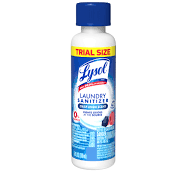
Lysol · Fabric Stain Guard Sprays
LYSOL Laundry Sanitizer 3.4 Ounce(s) Laundry Stain Remover
Lower concern. Liquid surfactant-based cleaner not linked to PFAS.
Lysol Laundry Sanitizer is an aqueous liquid surfactant-based cleaning concentrate with no coating or water-repellent finish on record. The brand has no PFAS statement on record. Liquid detergents are not a material type associated with PFAS.
We flunk more products than we pass. This one earned its grade. How we grade
Material
Aqueous liquid surfactant-based cleaning concentrate
Lab data
No public lab test
You may also be interested in
Top-graded picks in the categories readers replace first, every one scored on the same rubric.

Aqua Pure
3M Aqua-Pure AP802B Whole House Filter Housing
- polypropylene filter housing, carbon/sediment cartridge
- We found no PFAS statement from the brand
- Bacterial growth in spent cartridges
3 hazards checked on this product. See all of them.

Aquasure
Premier Series 75 GPD Under Sink Reverse Osmosis Water Filtration System
- RO membrane, carbon filters, stainless steel housing
- We found no PFAS statement from the brand
- Bacterial and microbial growth in housing and filters
4 hazards checked on this product. See all of them.

Avocado
Vegan Mattress
- organic cotton, natural latex, coconut coir, recycled steel coils
- The brand calls it PFAS-free, which we have not verified
- Heavy metals
2 hazards checked on this product. See all of them.
What LYSOL Laundry Sanitizer 3.4 Ounce(s) is made of, ingredients and materials
Lysol Laundry Sanitizer is a dilute aqueous solution of anionic surfactants and a quaternary ammonium compound (QAC) disinfectant, designed to be added to wash cycles rather than applied directly to fabric. The formulation contains no Teflon-type coating, silicones, or known endocrine disruptors. QACs are widely used in laundry sanitizers and have been safety-assessed by regulatory bodies; this product is intended for dilution in water, which further reduces any residual exposure.
What’s concerning
Category baseline
The starting point for this type of product, before anything specific to this product is counted.
No PFAS disclosure
No public statement from the brand about PFAS in this product.
Quaternary ammonium compound (QAC) sensitization and aquatic toxicity
QACs are known respiratory and skin sensitizers in concentrated form; consumer exposure is low after dilution and rinse, but individuals with chemical sensitivity or asthma should avoid direct inhalation of undiluted product. Environmental concern is higher with repeated draining; municipal treatment removes most QACs, but aquatic bioaccumulation in untreated systems is documented.
Eye and mucous membrane irritation (acute exposure)
The concentrated liquid formulation carries warnings for eye contact and inhalation; this is standard for surfactant-based cleaners. Dilution in wash water reduces consumer contact risk substantially, but accidental splash or inhalation of spray mist from undiluted product can cause irritation.
Antimicrobial resistance and overuse concerns
Routine use of QAC sanitizers in household laundry is not medically necessary for non-contaminated clothing and contributes to broader antimicrobial resistance trends in the environment. This is a public health concern rather than a direct product toxicity issue, but warrants consideration for regular non-pathogenic laundry loads.
What’s reassuring
Base material not linked to PFAS
The main material recorded for this product is not one associated with PFAS.
Fabric residue and dermal contact after washing
No established reports of sensitization or irritation from residual QAC on laundered fabric at labeled use rates; rinsing cycles in standard wash machines remove the majority of surfactant and disinfectant. Sensitive-skin individuals washing underwear or baby clothes may contact trace residue, but clinical evidence of harm at this exposure level is absent.
Formaldehyde / VOCs
Lysol Laundry Sanitizer does not list formaldehyde donors (DMDM hydantoin, imidazolidinyl urea, etc.) on its label; quaternary ammonium and surfactants serve as primary actives. No fragrance allergen alerts are on record for this specific product formulation.
Source, ATSDR ↗The full breakdown
The brand's record and disclosure
Reckitt Benckiser (parent company) has faced scrutiny over antimicrobial overuse and QAC safety claims, but Lysol Laundry Sanitizer is clearly labeled for rinse-off use and carries standard EPA regulatory approval for laundry additives. The ingredient list is publicly available and does not hide quaternary ammonium compounds; no major recalls or safety alerts are on record for this specific product. The brand does not claim PFAS-free status, but independent testing and regulatory filings show no PFAS present in typical laundry additive formulations.
How it compares in its category
This product sits in the mainstream tier of laundry sanitizers alongside Clorox 2 and store-brand equivalents; it is not premium or marketed as green. Alternatives include enzymatic boosters (proteases, amylases) or oxygen bleach, which carry different risk profiles but no inherent safety advantage. Lysol's QAC approach is chemically distinct from fabric softeners (which may contain quaternary ammonium cationic compounds with higher dermal/respiratory concern) and is designed for in-wash use, limiting residue on finished fabric.
If you buy it
Follow label dosing strictly; overdosing does not improve sanitization and increases residue. Use in cold or warm water only; hot water can reduce QAC efficacy. Store in a cool, dry place away from children and pets, as concentrated solutions can cause eye/skin irritation. Replace every 12-18 months if stored open; the solution does not degrade rapidly, but surfactant performance may decline. Avoid mixing with other disinfectants or bleach, as instructed on label.
What we don’t know
- Basis
- Model estimate, 72% confidence, not a lab result
- Lab test
- None on record for this exact product
- Brand statement
- Lysol has made a specific claim
Formulations change between production runs, so check the current label. How we grade.
More fabric stain guard sprays grades
How we score, every product runs through the same public 0-100 rubric based on materials, coatings, brand disclosure, lab findings, and recalls. See the full methodology → Spotted a mistake? Report an error.