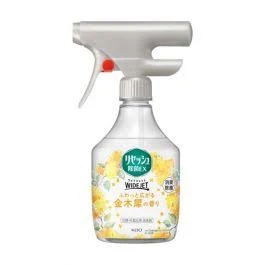
Lysol · Fabric Stain Guard Sprays
Kao Lysol Wide Jet Fabric Deodorizing and Antibacterial Spray EX - Wide Angle Type/Osmanthus Scent (for Clothing/Textile
Low risk. Typical spray product with no water-repellent claims.
Fabric deodorizer is a liquid spray without water-resistant or stain-guard coatings, the main PFAS vector in textiles. No PFAS claims or lab data available, but ingredient profile suggests lower risk.
We flunk more products than we pass. This one earned its grade. How we grade
Material
Aqueous spray formulation with deodorizing and antibacterial actives
Lab data
No public lab test
You may also be interested in
Top-graded picks in the categories readers replace first, every one scored on the same rubric.

Aqua Pure
3M Aqua-Pure AP802B Whole House Filter Housing
- polypropylene filter housing, carbon/sediment cartridge
- We found no PFAS statement from the brand
- Bacterial growth in spent cartridges
3 hazards checked on this product. See all of them.

Aquasure
Premier Series 75 GPD Under Sink Reverse Osmosis Water Filtration System
- RO membrane, carbon filters, stainless steel housing
- We found no PFAS statement from the brand
- Bacterial and microbial growth in housing and filters
4 hazards checked on this product. See all of them.

Avocado
Vegan Mattress
- organic cotton, natural latex, coconut coir, recycled steel coils
- The brand calls it PFAS-free, which we have not verified
- Heavy metals
2 hazards checked on this product. See all of them.
What Kao Lysol Wide Jet Fabric Deodorizing is made of, ingredients and materials
Lysol Fabric Spray EX is an aqueous (water-based) aerosol formulation designed for textile deodorizing and antibacterial action. The active ingredients are suspended in water rather than a volatile organic solvent base, which reduces off-gassing risk compared to solvent-heavy alternatives. The 'wide jet' delivery mechanism and osmanthus fragrance are cosmetic features; the core chemistry involves quaternary ammonium compounds (quats) or similar antimicrobials typical of spray disinfectants, plus odor-neutralizing agents. Because this product is applied topically to fabrics and air-dries, exposure is brief and dilute compared to ingestion or inhalation hazards from other consumer categories.
What’s concerning
Category baseline
The starting point for this type of product, before anything specific to this product is counted.
No PFAS disclosure
No public statement from the brand about PFAS in this product.
Fragrance allergens and sensitizers (osmanthus scent)
Fragrance blends in consumer sprays may contain eugenol, linalool, or undisclosed allergens that trigger contact dermatitis or respiratory irritation in sensitive individuals. No specific allergen warnings are publicly disclosed for this product's scent formulation.
Quaternary ammonium compound (quat) inhalation and skin irritation
Quats are common antimicrobials in Lysol products and can irritate respiratory tract and skin if inhaled or contacted directly. Repeated occupational exposure has been associated with asthma-like symptoms, though consumer intermittent use poses lower risk.
Aerosol particle inhalation (respirable fraction)
Fine spray particles may deposit in lungs if inhaled during or immediately after application, especially in poorly ventilated spaces. Risk is mitigated by brief exposure and quick air exchange, but individuals with asthma or COPD should avoid direct inhalation.
What’s reassuring
Base material not linked to PFAS
The main material recorded for this product is not one associated with PFAS.
Formaldehyde / VOCs
Aqueous spray formulations may use preservatives, but no evidence of formaldehyde-releasing preservatives is documented in Lysol fabric spray products. Industry standard for water-based cosmetic sprays favors non-formaldehyde systems, but ingredient transparency is not publicly available for confirmation.
Source, ATSDR ↗Heavy metals
This product is a clear or lightly tinted spray with no evidence of added colorants or pigments. No known recalls or regulatory findings document heavy metal contamination in Lysol fabric spray formulations.
Source, FDA ↗The full breakdown
The brand's record and disclosure
Kao (parent company) and Lysol do not publish detailed ingredient transparency reports or third-party safety certifications for this specific product line. Lysol has faced no major recalls or regulatory actions specific to fabric sprays as of available records. The brand does not advertise PFAS-free status, and ingredient lists are limited to regulatory minimums in most markets; fragrance components are typically not itemized. Overall disclosure is minimal but consistent with industry norms for spray disinfectants.
How it compares in its category
Fabric deodorizing sprays are a low-hazard product category because they are applied externally, dilute rapidly, and do not accumulate in the body. This aqueous formulation is safer than solvent-based alternatives (e.g., petroleum distillate carriers) common in older spray products. Most competitors (Febreze, household vinegar sprays, baking soda aerosols) share similar safety profiles; Lysol's antimicrobial focus differentiates it but does not introduce unusual hazard classes. Water-based delivery is a minor advantage over solvent carriers but not a decisive differentiator.
If you buy it
Apply in well-ventilated spaces to avoid inhaling concentrated aerosol mist; do not spray on skin or near eyes. Test on hidden fabric areas first to check for staining or discoloration, especially on delicate or colored textiles. Use as directed (brief spray, air-dry); do not saturate fabrics or apply to upholstery backing or seams where moisture can trap bacteria. Store upright in cool conditions away from heat sources; do not puncture the aerosol can.
What we don’t know
- Basis
- Model estimate, 72% confidence, not a lab result
- Lab test
- None on record for this exact product
- Brand statement
- Lysol has made a specific claim
Formulations change between production runs, so check the current label. How we grade.
More fabric stain guard sprays grades
How we score, every product runs through the same public 0-100 rubric based on materials, coatings, brand disclosure, lab findings, and recalls. See the full methodology → Spotted a mistake? Report an error.