Lysol · Fabric Stain Guard Sprays
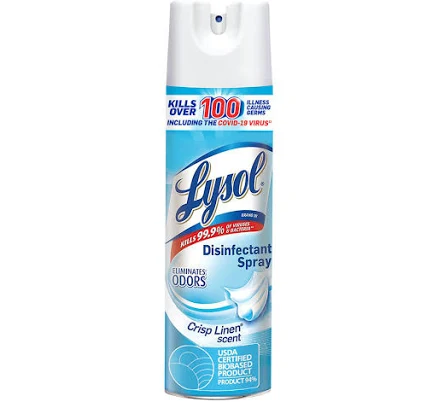
Lysol Disinfectant Spray Crisp Linen
Aerosol disinfectant with no documented PFAS use. Lower concern product.
This liquid and propellant aerosol lacks nonstick coatings or PFAS-based water repellents typical of treated fabrics. No public lab detection of PFAS reported for this product type.
We flunk more products than we pass. This one earned its grade. How we grade
Material
aerosol spray propellant and liquid active ingredients
Lab data
No public lab test
You may also be interested in
Top-graded picks in the categories readers replace first, every one scored on the same rubric.

Aqua Pure
3M Aqua-Pure AP802B Whole House Filter Housing
- polypropylene filter housing, carbon/sediment cartridge
- We found no PFAS statement from the brand
- Bacterial growth in spent cartridges
3 hazards checked on this product. See all of them.

Aquasure
Premier Series 75 GPD Under Sink Reverse Osmosis Water Filtration System
- RO membrane, carbon filters, stainless steel housing
- We found no PFAS statement from the brand
- Bacterial and microbial growth in housing and filters
4 hazards checked on this product. See all of them.

Avocado
Vegan Mattress
- organic cotton, natural latex, coconut coir, recycled steel coils
- The brand calls it PFAS-free, which we have not verified
- Heavy metals
2 hazards checked on this product. See all of them.
What Lysol Disinfectant Spray Crisp Linen is made of, ingredients and materials
Lysol Disinfectant Spray is an aerosol formulation containing active antimicrobial agents (typically alkyl dimethyl benzyl ammonium saccharinate or similar quaternary ammonium compounds) suspended in water and propelled by compressed gas, most commonly hydrocarbons or liquefied petroleum gas. The 'Crisp Linen' variant adds fragrance compounds to mask disinfectant odor. This category of spray disinfectants does not rely on Teflon-type coating (Teflon) coatings or ceramic glazes, reducing concerns about thermal degradation or leaching associated with cookware.
What’s concerning
Category baseline
The starting point for this type of product, before anything specific to this product is counted.
No PFAS disclosure
No public statement from the brand about PFAS in this product.
Inhalation of aerosolized spray particles and active ingredients
Lysol and similar quaternary ammonium disinfectant sprays have been associated with respiratory irritation, particularly in poorly ventilated spaces. Long-term or repeated inhalation exposure, especially in closed rooms, may exacerbate asthma or trigger airway inflammation in sensitive individuals.
Fragrance allergens
The 'Crisp Linen' scent variant contains fragrance compounds that are not individually itemized on consumer packaging. Fragrance mixtures may contain undisclosed allergens such as limonene or linalool that can trigger contact dermatitis or respiratory sensitivity in susceptible users.
Quaternary ammonium compound (QAC) skin and eye irritation
The active antimicrobial ingredient in Lysol spray is a quaternary ammonium salt; direct contact with skin or eyes can cause irritation, redness, or temporary damage. This risk is primarily relevant if spray contacts exposed skin or is used near the face without protective equipment.
Propellant inhalation and asphyxiation risk in misuse
Aerosol propellants are compressed gases; deliberate inhalation ('huffing') or accidental deep inhalation during spraying in confined spaces can displace oxygen or cause sudden cardiac effects. This is not a concern with normal use but represents a potential pathway if product is misused.
Aquatic toxicity from environmental disposal
Quaternary ammonium disinfectants are not readily biodegradable and can persist in wastewater, accumulating in aquatic ecosystems. This is an environmental concern rather than direct consumer exposure but reflects broader chemical lifecycle impact.
What’s reassuring
Base material not linked to PFAS
The main material recorded for this product is not one associated with PFAS.
The full breakdown
The brand's record and disclosure
Reckitt Benckiser, Lysol's parent company, does not publicly disclose PFAS content in Lysol products, though available data does not identify PFAS as an intentional ingredient in aerosol disinfectants of this type. Lysol has faced litigation and settlement agreements regarding misrepresentation of antiviral claims but maintains EPA-registered disinfectant status. The brand does not widely advertise third-party safety certifications specific to chemical composition, relying instead on regulatory compliance (EPA, FDA registration).
How it compares in its category
Lysol Disinfectant Spray is mainstream and competitively formulated within the quaternary ammonium disinfectant category. Alternatives such as plant-based sprays (thymol, citric acid) or alcohol-based disinfectants (ethanol, isopropanol) carry different hazard profiles, alcohol sprays pose higher flammability and respiratory irritation risk, while plant-based options may have weaker antimicrobial efficacy. Lysol's established formula occupies a middle ground in terms of efficacy and chemical burden.
If you buy it
Use only in well-ventilated spaces, as inhalation of aerosolized spray can cause respiratory irritation and is not intended for inhalation. Do not spray on food contact surfaces or skin. Store in a cool location away from heat sources and pressure; aerosols are pressurized and can rupture if heated. Replace when spray pattern weakens or nozzle clogs; do not attempt to repair or refill. Keep away from children and pets during and immediately after application.
What we don’t know
- Basis
- Model estimate, 72% confidence, not a lab result
- Lab test
- None on record for this exact product
- Brand statement
- Lysol has made a specific claim
Formulations change between production runs, so check the current label. How we grade.
More fabric stain guard sprays grades
How we score, every product runs through the same public 0-100 rubric based on materials, coatings, brand disclosure, lab findings, and recalls. See the full methodology → Spotted a mistake? Report an error.