Lysol · Fabric Stain Guard Sprays
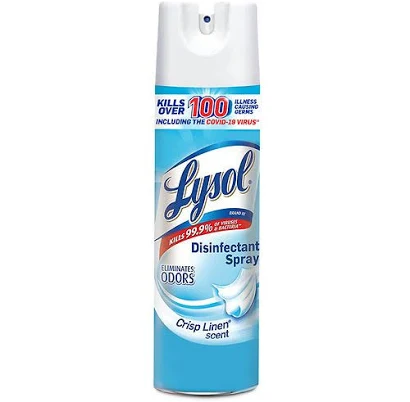
Lysol Disinfectant Spray Crisp Linen 19 oz
Standard spray with no known PFAS risk.
This liquid spray disinfectant follows conventional chemistry unlikely to contain PFAS, though the brand discloses nothing about PFAS.
We flunk more products than we pass. This one earned its grade. How we grade
Material
Liquid spray disinfectant with propellant
Lab data
No public lab test
You may also be interested in
Top-graded picks in the categories readers replace first, every one scored on the same rubric.

Aqua Pure
3M Aqua-Pure AP802B Whole House Filter Housing
- polypropylene filter housing, carbon/sediment cartridge
- We found no PFAS statement from the brand
- Bacterial growth in spent cartridges
3 hazards checked on this product. See all of them.

Aquasure
Premier Series 75 GPD Under Sink Reverse Osmosis Water Filtration System
- RO membrane, carbon filters, stainless steel housing
- We found no PFAS statement from the brand
- Bacterial and microbial growth in housing and filters
4 hazards checked on this product. See all of them.

Avocado
Vegan Mattress
- organic cotton, natural latex, coconut coir, recycled steel coils
- The brand calls it PFAS-free, which we have not verified
- Heavy metals
2 hazards checked on this product. See all of them.
What Lysol Disinfectant Spray Crisp Linen 19 oz is made of, ingredients and materials
Lysol Crisp Linen is a quaternary ammonium compound (quat)-based disinfectant spray delivered via hydrocarbon propellant. The active ingredients are designed to kill bacteria and viruses on hard surfaces without the corrosiveness of chlorine bleach. The propellant and fragrance components are typical of aerosol household products and do not present acute toxicity at normal use levels, though inhalation during continuous spraying in enclosed spaces should be avoided.
What’s concerning
Category baseline
The starting point for this type of product, before anything specific to this product is counted.
No PFAS disclosure
No public statement from the brand about PFAS in this product.
Inhalation irritation from propellant and spray mist
Hydrocarbon propellants and aerosolized quaternary ammonium can cause mild respiratory irritation in poorly ventilated spaces or with extended exposure. Lysol labeling recommends ventilation; risk is low during typical one-time application.
Fragrance allergen sensitization
Crisp Linen fragrance blend is undisclosed proprietary mixture; limonene and other natural fragrance components are common allergens. Risk is individual and low for most users but notable for those with fragrance sensitivities or asthma.
Eye and mucous membrane irritation from direct contact
Direct spray contact with eyes or ingestion poses irritation or minor chemical burn risk. Product labeling includes warnings; incidents are preventable through normal handling and storage away from children.
Surface degradation on sensitive materials
Propellant and quaternary ammonium compounds may dull or discolor wax, lacquer, or certain painted finishes with repeated use. Test on inconspicuous areas before regular application on fine wood or specialty surfaces.
What’s reassuring
Base material not linked to PFAS
The main material recorded for this product is not one associated with PFAS.
Heavy metals
Lysol disinfectant sprays are not known to contain lead, cadmium, or other heavy metals; no testing data suggests bioaccumulative or endocrine-active ingredients at use levels.
Source, FDA ↗The full breakdown
The brand's record and disclosure
Reckitt Benckiser (Lysol owner) does not widely publicize ingredient-level transparency for this product line, though the EPA registers Lysol disinfectants and requires efficacy and safety data submission. No major product recalls or chemical safety violations are on record for this specific formulation. The brand has faced historical criticism over fragrance allergen disclosure, but ingredient lists are available on packaging and online product pages.
How it compares in its category
Lysol spray sits in the mid-to-premium segment of aerosol disinfectants. It is more broadly antimicrobial than vinegar or hydrogen peroxide sprays but presents lower concern for most household surfaces. Compared to bleach-based alternatives, it poses lower risk of respiratory irritation and surface damage, making it a common baseline choice for bathrooms and kitchens.
If you buy it
Use in well-ventilated spaces and avoid prolonged inhalation; do not spray toward face or eyes. Appropriate for most hard, non-porous surfaces (glass, tile, plastic counters) but test on porous or painted surfaces first, as propellant can sometimes cause minor discoloration. Replace when efficacy visibly declines or propellant pressure weakens. Do not mix with other cleaners, especially bleach or ammonia-based products.
What we don’t know
- Basis
- Model estimate, 72% confidence, not a lab result
- Lab test
- None on record for this exact product
- Brand statement
- Lysol has made a specific claim
Formulations change between production runs, so check the current label. How we grade.
More fabric stain guard sprays grades
How we score, every product runs through the same public 0-100 rubric based on materials, coatings, brand disclosure, lab findings, and recalls. See the full methodology → Spotted a mistake? Report an error.