Lysol · Fabric Stain Guard Sprays
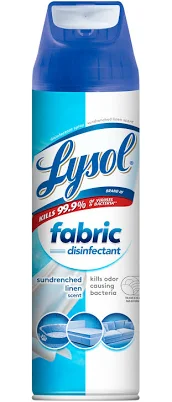
Lysol Disinfectant Spray Fabric Sundrenched Linen 15oz
Spray with no known PFAS risk. Lower concern overall.
This spray disinfectant does not use water-repellent coatings that require PFAS, and no public testing or brand disclosure on PFAS exists.
We flunk more products than we pass. This one earned its grade. How we grade
Material
propane/butane spray propellant with active ingredient
Lab data
No public lab test
You may also be interested in
Top-graded picks in the categories readers replace first, every one scored on the same rubric.

Aqua Pure
3M Aqua-Pure AP802B Whole House Filter Housing
- polypropylene filter housing, carbon/sediment cartridge
- We found no PFAS statement from the brand
- Bacterial growth in spent cartridges
3 hazards checked on this product. See all of them.

Aquasure
Premier Series 75 GPD Under Sink Reverse Osmosis Water Filtration System
- RO membrane, carbon filters, stainless steel housing
- We found no PFAS statement from the brand
- Bacterial and microbial growth in housing and filters
4 hazards checked on this product. See all of them.

Avocado
Vegan Mattress
- organic cotton, natural latex, coconut coir, recycled steel coils
- The brand calls it PFAS-free, which we have not verified
- Heavy metals
2 hazards checked on this product. See all of them.
What Lysol Disinfectant Spray Fabric is made of, ingredients and materials
Lysol Disinfectant Spray Fabric contains alkyl dimethyl benzyl ammonium saccharinate (a quaternary ammonium compound) as the active biocide, suspended in a propane/butane aerosol propellant with inert ingredients and fragrance. The propellant itself is not a chemical hazard when used as directed; the active ingredient is designed to kill bacteria and viruses on fabric surfaces without rinsing. Fragrance blend ("Sundrenched Linen") adds complexity but typical concentrations in consumer sprays are below levels associated with acute respiratory irritation in normal use.
What’s concerning
Category baseline
The starting point for this type of product, before anything specific to this product is counted.
No PFAS disclosure
No public statement from the brand about PFAS in this product.
Inhalation of propellant and fragrance volatiles
Propane and butane are generally recognized as safe inert propellants at consumer-use distances, but aerosolized fragrance compounds in enclosed spaces (small bedrooms, bathrooms) may trigger sensory irritation or asthma in susceptible individuals. No acute toxicity data specific to this formulation's fragrance blend is publicly available.
Skin or eye contact with liquid concentrate
Lysol disinfectant sprays carry EPA labeling warnings for eye and skin irritation due to quaternary ammonium concentration in the bulk liquid. Fabric application typically limits exposure, but accidental contact during handling should be rinsed with water; eye splash requires prompt medical attention.
Residual active ingredient on treated fabric
If fabric is used (worn, slept on) before the spray dries completely, the quaternary ammonium may contact skin. At typical spray-to-fabric ratios, acute irritation is unlikely, but prolonged contact or individual sensitivity could cause localized dermatitis. Manufacturer recommendations specify allowing drying time.
Accidental ingestion (child safety concern)
The propellant formulation is not intended for ingestion and quaternary ammonium compounds at high doses cause GI irritation and systemic toxicity. Store out of reach of children; the product carries a standard poison control warning on the label.
Fragrance allergens and sensitization
The "Sundrenched Linen" fragrance blend is not fully disclosed on the label; common fragrance ingredients (linalool, limonene, geraniol) are known contact allergens in sensitive populations. Repeated exposure to aerosolized fragrance may trigger occupational sensitization with continued use in enclosed spaces.
What’s reassuring
Base material not linked to PFAS
The main material recorded for this product is not one associated with PFAS.
The full breakdown
The brand's record and disclosure
Lysol (Reckitt Benckiser subsidiary) has a long history of EPA-registered disinfectant products and maintains transparency on active ingredients through labeling and Safety Data Sheets. The brand has not publicized PFAS testing or removal commitments, consistent with silence across most spray disinfectant manufacturers. No major safety recalls for this specific product line are on record; the quaternary ammonium class has been used in consumer disinfectants for decades without widespread toxicity reports at intended-use concentrations.
How it compares in its category
Fabric disinfectant sprays occupy a narrow niche between laundry additives and surface sprays. Lysol's quaternary ammonium active is more established and faster-acting than plant-based alternatives (e.g., thymol), though some users prefer non-synthetic options for odor-sensitive environments. Compared to chlorine-based disinfectants, aerosol QACs present lower acute inhalation risk when applied to fabric rather than hard surfaces; they also avoid the bleaching concern of sodium hypochlorite products.
If you buy it
Spray in well-ventilated areas to minimize propellant and fragrance inhalation, especially around infants or asthmatics. Allow fabric to dry fully before contact, as the active ingredient requires moisture to work and contact with wet residue can irritate skin. Store upright in a cool location away from heat sources; the aerosol canister should not be exposed to temperatures above 120F or punctured. Replace when spray weakens (propellant depletion), typically after 6-12 months of intermittent household use.
What we don’t know
- Basis
- Model estimate, 72% confidence, not a lab result
- Lab test
- None on record for this exact product
- Brand statement
- Lysol has made a specific claim
Formulations change between production runs, so check the current label. How we grade.
More fabric stain guard sprays grades
How we score, every product runs through the same public 0-100 rubric based on materials, coatings, brand disclosure, lab findings, and recalls. See the full methodology → Spotted a mistake? Report an error.