Lysol · Fabric Stain Guard Sprays
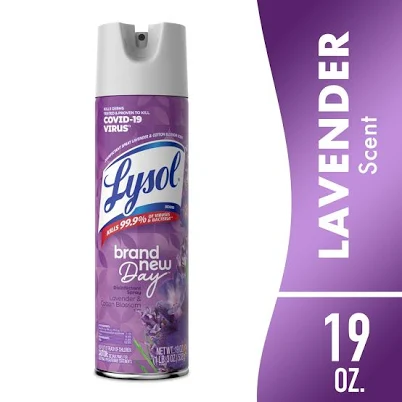
Lysol Disinfectant Spray Lavender & Cotton Blossom 19 oz.
Standard disinfectant spray with no documented PFAS concern.
This aqueous disinfectant formulation shows no documented PFAS additives. No public PFAS testing or claims available, though aerosol packaging itself poses lower concern than treated fabrics.
We flunk more products than we pass. This one earned its grade. How we grade
Material
Aqueous liquid spray, pressurized aerosol container
Lab data
No public lab test
You may also be interested in
Top-graded picks in the categories readers replace first, every one scored on the same rubric.

Aqua Pure
3M Aqua-Pure AP802B Whole House Filter Housing
- polypropylene filter housing, carbon/sediment cartridge
- We found no PFAS statement from the brand
- Bacterial growth in spent cartridges
3 hazards checked on this product. See all of them.

Aquasure
Premier Series 75 GPD Under Sink Reverse Osmosis Water Filtration System
- RO membrane, carbon filters, stainless steel housing
- We found no PFAS statement from the brand
- Bacterial and microbial growth in housing and filters
4 hazards checked on this product. See all of them.

Avocado
Vegan Mattress
- organic cotton, natural latex, coconut coir, recycled steel coils
- The brand calls it PFAS-free, which we have not verified
- Heavy metals
2 hazards checked on this product. See all of them.
What Lysol Disinfectant Spray Lavender is made of, ingredients and materials
Lysol Disinfectant Spray is an aqueous aerosol formulation containing quaternary ammonium compounds (typically alkyl dimethyl benzyl ammonium saccharinate) as the active disinfectant, propellant gases, and fragrance oils (lavender and cotton blossom notes in this variant). The product is water-based rather than solvent-heavy, which reduces volatile organic compound (VOC) load compared to older aerosol disinfectants. The pressurized container uses hydrocarbon or compressed gas propellants to aerosolize the liquid.
What’s concerning
Category baseline
The starting point for this type of product, before anything specific to this product is counted.
No PFAS disclosure
No public statement from the brand about PFAS in this product.
Inhalation of aerosolized particles and propellants
All pressurized aerosol sprays carry risk of respiratory irritation or sensitization if inhaled in high concentration or over repeated exposure in poorly ventilated spaces. Individual sensitivity to quaternary ammonium compounds varies.
Fragrance allergens (lavender and cotton blossom notes)
Fragrance blends, especially lavender-derived essential oils or synthetic analogs, can trigger contact dermatitis or respiratory sensitization in susceptible individuals. The 'cotton blossom' component is typically synthetic and not a known allergen concern, but fragrance mixtures are inherently variable.
Quaternary ammonium compound residues on fabric
If sprayed directly onto upholstery, the active quaternary ammonium may leave residue that could cause mild skin or respiratory irritation upon contact or re-aerosolization, particularly in sensitive individuals.
Water spotting or discoloration on delicate fabrics
Aqueous spray formulations can leave visible water marks or ring patterns on some upholstered materials and dyed textiles if applied without dilution or pre-testing. This is a cosmetic rather than toxicological hazard but worth noting for use.
Container pressure and burn risk
Pressurized aerosol containers stored near heat (direct sunlight, radiators, heated car interiors) may rupture or release contents forcefully. This is a physical hazard specific to the delivery format, not the product chemistry.
What’s reassuring
Base material not linked to PFAS
The main material recorded for this product is not one associated with PFAS.
The full breakdown
The brand's record and disclosure
Lysol (Reckitt Benckiser) has a long commercial history and maintains EPA registration for its disinfectant claims. The brand does not publicly highlight PFAS content or absence in this product line, though no regulatory findings of PFAS contamination have been recorded for standard Lysol sprays. Reckitt has faced litigation over ingredient transparency in some markets but Lysol disinfectant sprays remain unaffected by major recalls or safety withdrawals in the past decade.
How it compares in its category
Fabric protector sprays vary widely, some are silicone-based water repellents, others are stain-resistant chemical treatments. Lysol disinfectant spray is positioned as a sanitizer rather than a protectant, so comparison to fabric treatment products is indirect. Versus other aerosol disinfectants (like Clorox or store-brand quaternary sprays), Lysol's formulation is standard and carries no known safety distinction; the category itself carries low-to-moderate inhalation risk when used in enclosed spaces.
If you buy it
Use in well-ventilated areas and avoid prolonged inhalation of aerosolized particles, especially around children and pets. Do not spray directly onto upholstered fabric if the label does not explicitly approve fabric use; test on a hidden seam first to check for water spotting or color bleeding. Replace the container every 12-18 months or when spray pressure noticeably declines. Store in a cool, dry place away from heat sources, as pressure vessels can rupture if exposed to high temperatures.
What we don’t know
- Basis
- Model estimate, 72% confidence, not a lab result
- Lab test
- None on record for this exact product
- Brand statement
- Lysol has made a specific claim
Formulations change between production runs, so check the current label. How we grade.
More fabric stain guard sprays grades
How we score, every product runs through the same public 0-100 rubric based on materials, coatings, brand disclosure, lab findings, and recalls. See the full methodology → Spotted a mistake? Report an error.