Lysol · Fabric Stain Guard Sprays
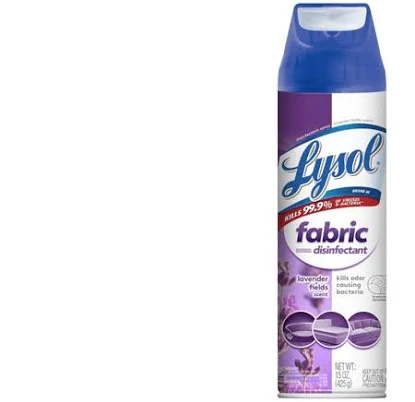
Lysol Fabric Disinfectant 15oz, Lavender Field 2X Wider Coverage15 oz
Fabric spray unlikely to contain PFAS, though Lysol discloses nothing.
Lysol Fabric Disinfectant is spray cleaner, not treated material product. No PFAS indicators typical for this category appear, though brand silence on chemistry is standard.
We flunk more products than we pass. This one earned its grade. How we grade
Material
aqueous spray solution, no coating application
Lab data
No public lab test
You may also be interested in
Top-graded picks in the categories readers replace first, every one scored on the same rubric.

Aqua Pure
3M Aqua-Pure AP802B Whole House Filter Housing
- polypropylene filter housing, carbon/sediment cartridge
- We found no PFAS statement from the brand
- Bacterial growth in spent cartridges
3 hazards checked on this product. See all of them.

Aquasure
Premier Series 75 GPD Under Sink Reverse Osmosis Water Filtration System
- RO membrane, carbon filters, stainless steel housing
- We found no PFAS statement from the brand
- Bacterial and microbial growth in housing and filters
4 hazards checked on this product. See all of them.

Avocado
Vegan Mattress
- organic cotton, natural latex, coconut coir, recycled steel coils
- The brand calls it PFAS-free, which we have not verified
- Heavy metals
2 hazards checked on this product. See all of them.
What’s concerning
No PFAS disclosure
No public statement from the brand about PFAS in this product.
Category baseline
The starting point for this type of product, before anything specific to this product is counted.
Volatile organic compounds (VOCs) and inhalation risk
Aqueous sprays typically contain low VOC levels compared to aerosol disinfectants, but propellants and solvent carriers may off-gas, especially in poor ventilation. No specific VOC profile is disclosed by the brand.
Quaternary ammonium residue on skin contact
Quat-based disinfectants can cause irritation with prolonged or repeated skin exposure; residue on treated fabrics may contact skin if not fully air-dried. This is a low risk for occasional household use but notable for frequent handlers.
Fragrance allergens (Lavender Field variant)
Added fragrances in household products commonly trigger contact dermatitis or respiratory irritation in sensitive individuals. Lysol does not specify fragrance ingredients (typically trade-secret blends), limiting avoidance for those with known sensitivities.
What’s reassuring
Base material not linked to PFAS
The main material recorded for this product is not one associated with PFAS.
Coating degradation or fabric damage
Because this product is a spray rather than a permanent coating, it does not degrade over time on the fabric itself. Misuse (over-saturation, failure to dry) can cause water staining or mildew, not chemical breakdown.
Heavy metals
No established recalls or testing data indicate heavy metal contamination in Lysol fabric sprays. Aqueous disinfectants are not a typical pathway for metal bioaccumulation compared to cosmetics or pigmented coatings.
Source, FDA ↗The full breakdown
What it is and why it matters
Lysol Fabric Disinfectant is an aqueous spray solution, not a coating or treatment that bonds to fibers. The active ingredient is typically a quaternary ammonium compound (quat), a well-established antimicrobial used in hospital-grade disinfectants. Because it is a rinse-off spray rather than a permanent application, residue concerns are lower than with fabric treatments that dry in place. The 2X wider coverage claim refers to spray pattern, not potency changes.
The brand's record and disclosure
Lysol (Reckitt Benckiser) discloses active ingredients but does not publish a full ingredient list for this spray on the label or typical product pages. The brand has faced scrutiny over marketing claims (notably in 2020 when EPA cautioned against overstated COVID-19 claims) but maintains EPA registration for disinfectant efficacy. Lysol does not claim PFAS-free status and has not publicly addressed PFAS content in fabric sprays. No major recalls specific to this product are on record.
How it compares in its category
Fabric disinfectant sprays occupy a narrower, less regulated space than hard-surface disinfectants. Competitors like Febreze and store-brand equivalents use similar quat-based chemistries with comparable transparency gaps. Unlike coatings or treatments that remain on fabric, spray disinfectants are inherently lower-risk because they do not accumulate with repeated use. Most fabric sprays lack third-party certifications (e.g., Oeko-Tex, Green Seal), including this one.
If you buy it
Spray in well-ventilated areas to avoid inhaling aerosolized active ingredients; do not oversaturate fabrics as this prolongs drying time and increases residue risk. Test on hidden areas first, especially on delicate or dyed fabrics, as quats can occasionally affect certain finishes. Allow fabric to air dry fully before contact (typically 30 minutes to 1 hour). Do not use on upholstery with foam backing if you are concerned about chemical penetration; hard furnishings (wood frames, metal) present lower concern for chemical absorption.
What we don’t know
- Basis
- Model estimate, 72% confidence, not a lab result
- Lab test
- None on record for this exact product
- Brand statement
- Lysol has made a specific claim
Formulations change between production runs, so check the current label. How we grade.
More fabric stain guard sprays grades
How we score, every product runs through the same public 0-100 rubric based on materials, coatings, brand disclosure, lab findings, and recalls. See the full methodology → Spotted a mistake? Report an error.