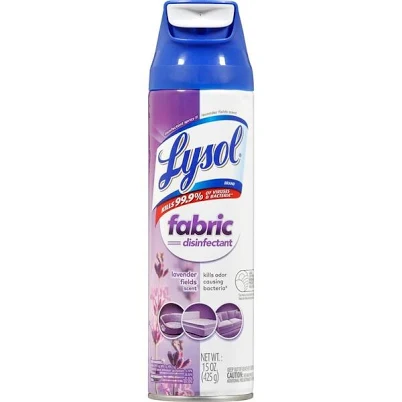
Lysol · Fabric Stain Guard Sprays
LYSOL Fabric Disinfectant Spray, 15 fl oz (0.5 quart) Lavender Fields, Clear, 12 PK, RAC94121CT
Lower concern, though brand discloses nothing about PFAS.
Lysol Fabric Disinfectant is spray product with no public PFAS claims or disclosures. Liquid disinfectants and aerosol propellants typically do not require PFAS.
We flunk more products than we pass. This one earned its grade. How we grade
Material
liquid disinfectant spray, propellant-based aerosol
Lab data
No public lab test
You may also be interested in
Top-graded picks in the categories readers replace first, every one scored on the same rubric.

Aqua Pure
3M Aqua-Pure AP802B Whole House Filter Housing
- polypropylene filter housing, carbon/sediment cartridge
- We found no PFAS statement from the brand
- Bacterial growth in spent cartridges
3 hazards checked on this product. See all of them.

Aquasure
Premier Series 75 GPD Under Sink Reverse Osmosis Water Filtration System
- RO membrane, carbon filters, stainless steel housing
- We found no PFAS statement from the brand
- Bacterial and microbial growth in housing and filters
4 hazards checked on this product. See all of them.

Avocado
Vegan Mattress
- organic cotton, natural latex, coconut coir, recycled steel coils
- The brand calls it PFAS-free, which we have not verified
- Heavy metals
2 hazards checked on this product. See all of them.
What LYSOL Fabric Disinfectant Spray, 15 fl oz is made of, ingredients and materials
Lysol Fabric Disinfectant is a propellant-driven aerosol spray containing quaternary ammonium compounds (quats) as the active antimicrobial ingredient, typically paired with isopropyl alcohol or ethanol as a co-solvent. The spray format means aerosolization of fine droplets, which increases inhalation risk compared to liquid or trigger-pump alternatives. Lavender fragrance is a standard cosmetic additive; lavender essential oil compounds are known respiratory irritants at high concentration, though the fragrance load in consumer sprays is typically diluted.
What’s concerning
No PFAS disclosure
No public statement from the brand about PFAS in this product.
Category baseline
The starting point for this type of product, before anything specific to this product is counted.
Propellant inhalation (aerosol exposure)
Aerosol propellants (typically hydrofluoroalkanes or hydrofluoroolefins) are not inherently toxic but inhalation during spraying increases exposure to fine particles and volatile compounds. Intentional abuse (huffing) carries significant neurological risk; normal use poses lower risk if ventilated properly.
Fragrance sensitization and respiratory irritation
Lavender fragrance and associated terpenes can trigger asthma, allergic contact dermatitis, or airway irritation in sensitized individuals, particularly in poorly ventilated spaces or during repeated exposure over time.
Quaternary ammonium compound (quat) exposure on skin-contact textiles
Quats are antimicrobial but can accumulate on fabric if not fully rinsed; prolonged skin contact (e.g., on upholstered furniture, bedding) may cause contact dermatitis or sensitization in vulnerable populations, especially infants and people with eczema.
Isopropyl or ethanol dermal/ocular contact
Accidental spray contact with eyes causes irritation and temporary discomfort; skin contact is low-risk. Label warnings address this, but misdirected sprays in households with children or pets are a realistic hazard.
PFAS
Modern aerosol propellants sometimes contain fluorinated compounds; Reckitt Benckiser has not publicly disclosed whether this product uses PFAS-containing propellants, leaving total fluorochemical burden unknown to consumers.
Source, ATSDR ↗What’s reassuring
Base material not linked to PFAS
The main material recorded for this product is not one associated with PFAS.
The full breakdown
The brand's record and disclosure
Reckitt Benckiser (parent company) has faced regulatory scrutiny in Canada and the EU over misleading antimicrobial claims and safety labeling. The brand does not publicly disclose ingredient transparency beyond basic regulatory requirements on the label. No major product recalls for Lysol Fabric Disinfectant have been documented in the U.S., but the parent company's PFAS use in aerosol propellants remains undisclosed, creating a significant information gap for consumers seeking full chemical accountability.
How it compares in its category
Aerosol fabric disinfectants are generally higher-risk than pump sprays or dilutable concentrates because propellant-driven misting creates higher inhalation exposure and broader environmental drift. This product is chemically typical for its category; competitors like Febreze offer similar propellant formulations. Non-spray alternatives (enzyme-based sprays, steam cleaning, or quaternary ammonium wipes applied directly) eliminate the aerosolization hazard but require more labor.
If you buy it
Use only in well-ventilated spaces (open windows or running exhaust fans) and do not spray toward the face or inhale vapors; keep away from children and pets during and shortly after application. Do not use on upholstered furniture where prolonged skin contact is likely (e.g., baby furniture or bedding); let sprayed surfaces dry completely before reuse. Store in a cool, dry place away from heat sources or direct sunlight, as aerosol pressure can degrade. Discard if the can dents, leaks, or becomes difficult to spray.
What we don’t know
- Basis
- Model estimate, 68% confidence, not a lab result
- Lab test
- None on record for this exact product
- Brand statement
- Lysol has made a specific claim
Formulations change between production runs, so check the current label. How we grade.
More fabric stain guard sprays grades
How we score, every product runs through the same public 0-100 rubric based on materials, coatings, brand disclosure, lab findings, and recalls. See the full methodology → Spotted a mistake? Report an error.