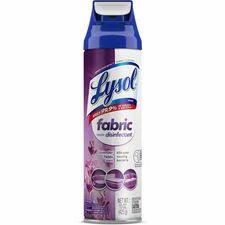
Lysol · Fabric Stain Guard Sprays
Lysol Fabric Disinfectant Spray, Sanitizing And Antibacterial Spray, For Disinfecting And Deodorizing Soft Furnishings
Spray disinfectant with no known PFAS risk.
This liquid fabric disinfectant lacks typical PFAS trigger materials like water-repellent coating coatings or Teflon-family coating.
We flunk more products than we pass. This one earned its grade. How we grade
Material
aqueous spray formulation, surfactants and active ingredients
Lab data
No public lab test
You may also be interested in
Top-graded picks in the categories readers replace first, every one scored on the same rubric.

Aqua Pure
3M Aqua-Pure AP802B Whole House Filter Housing
- polypropylene filter housing, carbon/sediment cartridge
- We found no PFAS statement from the brand
- Bacterial growth in spent cartridges
3 hazards checked on this product. See all of them.

Aquasure
Premier Series 75 GPD Under Sink Reverse Osmosis Water Filtration System
- RO membrane, carbon filters, stainless steel housing
- We found no PFAS statement from the brand
- Bacterial and microbial growth in housing and filters
4 hazards checked on this product. See all of them.

Avocado
Vegan Mattress
- organic cotton, natural latex, coconut coir, recycled steel coils
- The brand calls it PFAS-free, which we have not verified
- Heavy metals
2 hazards checked on this product. See all of them.
What Lysol Fabric Disinfectant Spray is made of, ingredients and materials
Lysol Fabric Disinfectant is an aqueous spray containing surfactants, quaternary ammonium compounds (likely alkyl dimethyl benzyl ammonium saccharinate or similar), and fragrance. The active antimicrobial ingredients are designed to kill bacteria and viruses on soft surfaces without the caustic properties of surface disinfectants. Water-based formulation means lower volatile organic compound (VOC) risk than solvent-based sprays, but fragrance additives and preservatives remain potential contact irritants.
What’s concerning
Category baseline
The starting point for this type of product, before anything specific to this product is counted.
No PFAS disclosure
No public statement from the brand about PFAS in this product.
Fragrance allergens and sensitizers
Fragrance compounds in disinfectant sprays are not individually disclosed and can trigger contact dermatitis or respiratory irritation in sensitive individuals. Risk is higher with repeated skin contact or inhalation in enclosed spaces.
Quaternary ammonium compound residue on fabric
Quat-based disinfectants can leave chemical residue on textiles if not fully rinsed. Prolonged contact with skin (especially in diapers, underwear, or bedding) may cause localized irritation in susceptible users, though clinical data on fabric-applied quats is limited.
Eye and mucous membrane irritation
Quaternary ammonium and surfactant formulations are primary irritants if sprayed near face or inhaled. Risk is acute and dose-dependent; accidental spraying or use in poorly ventilated nurseries poses higher hazard.
Preservative allergens
Aqueous spray formulations require preservatives (likely phenoxyethanol, methylisothiazolinone, or parabens) to prevent microbial growth in the bottle. These are not listed on the label and can cause contact sensitization with repeated exposure.
Fabric degradation and finish loss over time
Regular use of spray disinfectants can gradually degrade fabric finishes, dyes, or water-resistant coatings on textiles. Color bleeding or softness loss has been reported by consumers on delicate or treated fabrics with repeated application.
What’s reassuring
Base material not linked to PFAS
The main material recorded for this product is not one associated with PFAS.
The full breakdown
The brand's record and disclosure
Lysol is owned by Reckitt Benckiser, a company with mixed transparency history on ingredient disclosure. The product label lists active ingredients clearly but does not publicly disclose fragrance composition or full preservative systems. No major safety recalls specific to this fabric spray formulation are on record. The brand has faced scrutiny over marketing claims and ingredient transparency in other categories but has not been subject to regulatory enforcement for this product.
How it compares in its category
Fabric disinfectant sprays occupy a niche between laundry additives and hard-surface disinfectants. Lysol's formulation is typical of quaternary ammonium-based fabric sprays; alternatives include enzyme-based or hydrogen peroxide sprays, which carry lower chemical residue but lower antimicrobial efficacy. This product is more shelf-stable and faster-acting than vinegar or baking soda methods but introduces more chemical exposure per use than machine-washing with hot water.
If you buy it
Apply only to well-ventilated areas; do not inhale spray directly. Test on hidden fabric area first to check for discoloration or water spotting. Allow fabric to air-dry fully before contact with skin or mouth, especially for items used by children or pets. Replace product annually even if unused, as active ingredients degrade over time. Do not use on delicate fabrics, silk, or leather without manufacturer guidance.
What we don’t know
- Basis
- Model estimate, 72% confidence, not a lab result
- Lab test
- None on record for this exact product
- Brand statement
- Lysol has made a specific claim
Formulations change between production runs, so check the current label. How we grade.
More fabric stain guard sprays grades
How we score, every product runs through the same public 0-100 rubric based on materials, coatings, brand disclosure, lab findings, and recalls. See the full methodology → Spotted a mistake? Report an error.