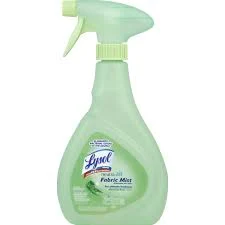
Lysol · Fabric Stain Guard Sprays
Lysol Fabric Mist
Fabric spray with no documented PFAS risk. Brand silent on PFAS.
This water and fragrance-based aerosol lacks ingredient disclosures suggesting PFAS risk. Typical fabric sprays do not include PFAS, though brand confirmation would strengthen confidence.
We flunk more products than we pass. This one earned its grade. How we grade
Material
Water and fragrance blend in aerosol spray
Lab data
No public lab test
You may also be interested in
Top-graded picks in the categories readers replace first, every one scored on the same rubric.

Aqua Pure
3M Aqua-Pure AP802B Whole House Filter Housing
- polypropylene filter housing, carbon/sediment cartridge
- We found no PFAS statement from the brand
- Bacterial growth in spent cartridges
3 hazards checked on this product. See all of them.

Aquasure
Premier Series 75 GPD Under Sink Reverse Osmosis Water Filtration System
- RO membrane, carbon filters, stainless steel housing
- We found no PFAS statement from the brand
- Bacterial and microbial growth in housing and filters
4 hazards checked on this product. See all of them.

Avocado
Vegan Mattress
- organic cotton, natural latex, coconut coir, recycled steel coils
- The brand calls it PFAS-free, which we have not verified
- Heavy metals
2 hazards checked on this product. See all of them.
What Lysol Fabric Mist is made of, ingredients and materials
Lysol Fabric Mist is a water-based aerosol spray with fragrance compounds and a propellant (typically hydrocarbon or compressed gas). The water base avoids volatile organic solvents common in older fabric sprays. However, fragrance blends remain proprietary and may contain undisclosed allergens or sensitizers. Aerosol delivery means inhalation exposure is the primary route, not absorption through skin or ingestion.
What’s concerning
Category baseline
The starting point for this type of product, before anything specific to this product is counted.
No PFAS disclosure
No public statement from the brand about PFAS in this product.
Fragrance allergens and undisclosed components
Proprietary fragrance blends are exempt from full ingredient disclosure under U.S. law. Common fragrance allergens (limonene, linalool, geraniol) may trigger contact dermatitis or respiratory irritation in sensitive individuals; Lysol does not publish fragrance composition.
Inhalation exposure from aerosol propellant
Hydrocarbon propellants in aerosol sprays carry low but documented risks of respiratory tract irritation and CNS effects at high or repeated exposure. Lysol Fabric Mist is not intended for closed-space or prolonged spraying; misuse could elevate inhalation risk.
Water spotting and fabric damage from repeated application
Water-based formulas can leave mineral residue or watermarks on delicate fabrics if applied excessively. This is a practical concern rather than a toxicological hazard but can reduce product value and lead to over-spraying.
Antimicrobial greenwashing claims without established efficacy
Lysol's broader brand history includes contested antimicrobial marketing; Fabric Mist does not prominently claim antimicrobial action, but Lysol's parent company has faced FTC oversight for unsubstantiated health claims in other product lines.
What’s reassuring
Base material not linked to PFAS
The main material recorded for this product is not one associated with PFAS.
Heavy metals
No recalls or testing reports document heavy metal contamination in Lysol Fabric Mist. However, fragrance oils and dyes are not systematically tested for lead, cadmium, or arsenic in consumer products; risk remains theoretical but unverified.
Source, FDA ↗The full breakdown
The brand's record and disclosure
Reckitt Benckiser (Lysol's parent) has faced scrutiny over antimicrobial marketing claims and ingredient transparency but maintains safety certifications for cleaning products in most markets. Ingredient lists on Lysol Fabric Mist are minimally detailed (fragrance listed as single ingredient per U.S. labeling loopholes). The brand has not publicly disclosed PFAS testing or avoidance statements specific to this product line, though no PFAS contamination has been reported or recalled.
How it compares in its category
Fabric protection sprays range from silicone-based hydrophobes (higher VOC) to water-based and enzyme formulas. Lysol's water base is less aggressive than older solvent sprays but more chemically simple than enzyme-based alternatives like Febreze or unscented baking soda options. It occupies the middle ground, lower concern than solvent-heavy competitors but offering less detail on fragrance safety than premium or natural brands.
If you buy it
Use in well-ventilated spaces only; avoid spraying near infants, pets, or individuals with asthma or fragrance sensitivity. Do not inhale spray directly or apply to surfaces that contact skin repeatedly (pillows, bedding worn without washing). Test on hidden fabric first to check for water spotting. Replace if propellant weakens (spray becomes weak or sputters); degraded aerosol cans may leak.
What we don’t know
- Basis
- Model estimate, 72% confidence, not a lab result
- Lab test
- None on record for this exact product
- Brand statement
- Lysol has made a specific claim
Formulations change between production runs, so check the current label. How we grade.
More fabric stain guard sprays grades
How we score, every product runs through the same public 0-100 rubric based on materials, coatings, brand disclosure, lab findings, and recalls. See the full methodology → Spotted a mistake? Report an error.