Lysol · Fabric Stain Guard Sprays
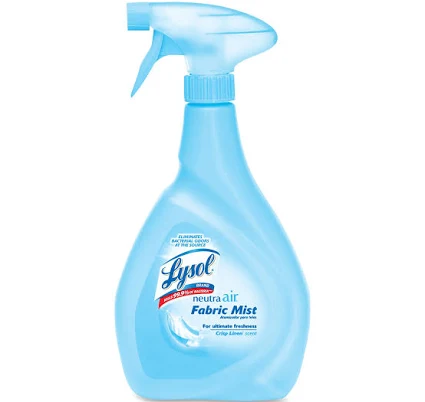
Lysol Neutra Air Crisp Linen Fabric Mist
Fabric mist without documented PFAS risk, though brand stays silent on composition.
This air freshener spray treats fabric with fragrance, not water or stain repellency. Lysol provides no PFAS transparency statement about its formulation.
We flunk more products than we pass. This one earned its grade. How we grade
Material
propellant and volatile organic solvents
Lab data
No public lab test
You may also be interested in
Top-graded picks in the categories readers replace first, every one scored on the same rubric.

Aqua Pure
3M Aqua-Pure AP802B Whole House Filter Housing
- polypropylene filter housing, carbon/sediment cartridge
- We found no PFAS statement from the brand
- Bacterial growth in spent cartridges
3 hazards checked on this product. See all of them.

Aquasure
Premier Series 75 GPD Under Sink Reverse Osmosis Water Filtration System
- RO membrane, carbon filters, stainless steel housing
- We found no PFAS statement from the brand
- Bacterial and microbial growth in housing and filters
4 hazards checked on this product. See all of them.

Avocado
Vegan Mattress
- organic cotton, natural latex, coconut coir, recycled steel coils
- The brand calls it PFAS-free, which we have not verified
- Heavy metals
2 hazards checked on this product. See all of them.
What Lysol Neutra Air Crisp Linen Fabric Mist is made of, ingredients and materials
Lysol Neutra Air Crisp Linen is an aerosol fabric spray combining volatile organic solvents (likely alcohols or hydrocarbons) with a propellant system designed to freshen textiles rather than disinfect them. The formula disperses as a fine mist that deposits fragrance and odor-neutralizing compounds onto fabric surfaces. Propellants in aerosols are typically hydrofluorocarbons (HFCs) or hydrofluoroolefins (HFOs), both of which are volatile and inhaled during use. The product relies on evaporation to work, meaning you are exposed to whatever solvents are present during and shortly after spraying.
What’s concerning
Category baseline
The starting point for this type of product, before anything specific to this product is counted.
No PFAS disclosure
No public statement from the brand about PFAS in this product.
Volatile organic compounds (VOCs) and inhalation exposure
Aerosol fabric sprays inherently release solvents and propellants into indoor air. Acute exposure during spraying can cause mild respiratory irritation, headache, or dizziness, especially in poorly ventilated spaces or with repeated use.
Propellant safety and respiratory irritation
Modern aerosol propellants (HFCs or HFOs) are not known to pose a PFAS hazard at normal use levels, but inhalation of spray mist can irritate airways in sensitive individuals or with intensive/repeated spraying. No specific reports tied to this product, but inherent to the format.
Fragrance allergens and skin sensitivity
Lysol does not disclose full fragrance composition (protected as trade secret); undisclosed fragrance ingredients can trigger allergic contact dermatitis or respiratory sensitivity in susceptible consumers. Risk is low for brief exposure but higher with frequent or direct contact.
Incomplete ingredient disclosure
The product label does not list all fragrance components or specific solvent names, making independent hazard assessment impossible. This is standard industry practice but limits consumer choice based on known sensitivities.
Pressurized container hazards
Aerosol cans are pressurized; exposure to heat or puncture can cause rupture or spray malfunction. Storage near radiators, in sunlight, or in vehicles can degrade the can seal over time and lead to leakage or loss of propellant.
What’s reassuring
Base material not linked to PFAS
The main material recorded for this product is not one associated with PFAS.
The full breakdown
The brand's record and disclosure
Lysol (parent company Reckitt Benckiser) has faced public scrutiny over ingredient transparency, particularly around fragrance disclosures and antimicrobial claims. The brand does not publish a full ingredient list online for this product; the aerosol label typically lists only major components. Reckitt has not made public commitments to eliminate volatile solvents or reformulate for lower inhalation exposure in fabric products. No major safety recalls specific to this product line are on record, but the brand's opacity on proprietary fragrance blends limits independent assessment.
How it compares in its category
Fabric refresher sprays as a category are fundamentally aerosol-based, so volatile inhalation is inherent to the format. Lysol's offering is more solvent-heavy than some botanical or enzyme-based alternatives (like Febreze with baking soda); however, it is less specialized than professional-grade fabric treatments. The fragrance-forward formula prioritizes scent masking over odor elimination, making it comparable to mainstream consumer options rather than lower-VOC specialty brands.
If you buy it
Use only in well-ventilated spaces; spray furniture or textiles and leave the room for 15-30 minutes to allow solvents to fully evaporate before contact. Do not spray near face, food, or children's play areas. Store in a cool location away from heat sources, as aerosol cans are pressurized. Replace after 2-3 years or if the spray trigger becomes difficult to actuate, as propellant degradation reduces efficacy. If you experience respiratory irritation, headache, or dizziness during or after use, discontinue and switch to non-aerosol alternatives.
What we don’t know
- Basis
- Model estimate, 72% confidence, not a lab result
- Lab test
- None on record for this exact product
- Brand statement
- Lysol has made a specific claim
Formulations change between production runs, so check the current label. How we grade.
More fabric stain guard sprays grades
How we score, every product runs through the same public 0-100 rubric based on materials, coatings, brand disclosure, lab findings, and recalls. See the full methodology → Spotted a mistake? Report an error.