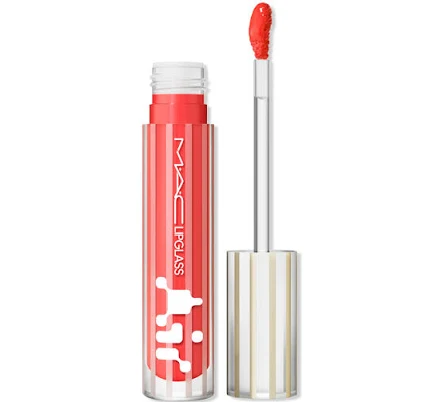
MAC · Lip Balm & Long-Wear Lipstick
MAC Lipglass Air Non-Sticky Lip Gloss
Lower PFAS concern; typical lip gloss without known fluorinated additives.
This standard silicone-based lip gloss contains no public evidence of PFAS-containing waterproofing agents. The brand has not disclosed PFAS status.
We flunk more products than we pass. This one earned its grade. How we grade
Material
Silicones, oils, waxes, standard cosmetic emollients
Lab data
No public lab test
You may also be interested in
Top-graded picks in the categories readers replace first, every one scored on the same rubric.

- polypropylene filter housing, carbon/sediment cartridge
- We found no PFAS statement from the brand
- Bacterial growth in spent cartridges
3 hazards checked on this product, all on its full breakdown.

Aquasure
Premier Series 75 GPD Under Sink Reverse Osmosis Water Filtration System
- RO membrane, carbon filters, stainless steel housing
- We found no PFAS statement from the brand
- Bacterial and microbial growth in housing and filters
4 hazards checked on this product, all on its full breakdown.

Avocado
Vegan Mattress
- organic cotton, natural latex, coconut coir, recycled steel coils
- The brand calls it PFAS-free, which we have not verified
- Heavy metals
2 hazards checked on this product, all on its full breakdown.
What MAC Lipglass Air Non-Sticky Lip Gloss is made of, ingredients and materials
MAC Lipglass Air is a silicone-oil emollient formulation typical of modern non-sticky lip glosses. Silicones (dimethicone and related polymers) form a smooth, long-wearing barrier on lips without the tackiness of older acrylic-resin glosses. This material class avoids the phthalate plasticizers and film-former resins that posed concerns in 1990s-2000s lip products. The formula relies on natural waxes and volatile silicones for texture and slip.
What’s concerning
Category baseline
The starting point for this type of product, before anything specific to this product is counted.
No PFAS disclosure
No public statement from the brand about PFAS in this product.
Fragrance allergens
MAC lip glosses contain fragrance components typical of cosmetics. Individuals with sensitive skin or fragrance sensitivities may experience contact dermatitis; no ingredient list specifies allergen flags like limonene or linalool.
Formaldehyde / VOCs
Preservatives in lip glosses may include phenoxyethanol or imidazolidinyl urea; MAC does not disclose preservative choice publicly. These are legal and widely used but may trigger sensitivity in reactive individuals.
Source, ATSDR ↗Microplastics
Silicone polymers themselves are not microplastics but may be classified as synthetic polymers by some definitions. The environmental fate of silicone residue from lip products is debated; individual exposure risk during use is negligible.
Source, EPA ↗What’s reassuring
Base material not linked to PFAS
The main material recorded for this product is not one associated with PFAS.
Lead
No recalls or contamination reports exist for MAC Lipglass. Cosmetic colorants are FDA-regulated; silicone glosses typically use approved synthetic dyes rather than natural pigments prone to heavy metal contamination.
Source, ATSDR ↗Talc contamination
Modern MAC lip glosses do not list talc as an ingredient. Silicone-based formulations eliminate the need for talc as a slip agent, removing historical asbestos-contamination concerns from older powder-based glosses.
How is this PFAS grade calculated?
The brand's record and disclosure
MAC (Estée Lauder Companies) does not publicly champion PFAS-free certification or publish detailed ingredient safety dossiers beyond standard cosmetic ingredient listings. The brand maintains compliance with FDA cosmetic ingredient rules and EU restrictions but offers limited transparency beyond regulatory minimums. No recalls or safety controversies specific to MAC lip glosses are on record in recent years. Formulation transparency remains standard industry practice rather than exemplary.
How it compares in its category
Silicone-based glosses like MAC Lipglass Air have lower concern for plasticizer or talc exposure compared to older sticky formulas that relied on these ingredients. Premium brands in this category (Bobbi Brown, NARS, Clinique) use similar silicone-oil bases. Budget alternatives sometimes substitute cheaper tackifiers or fillers; MAC's formula avoids these shortcuts. The 'Air' variant specifically removes heavy waxes for a weightless feel, lowering any residue buildup risk.
If you buy it
Apply sparingly to avoid ingestion during eating or drinking; lip products naturally transfer to food and saliva. Replace every 12-18 months to prevent bacterial colonization in the wand and tube. Store in cool, dry conditions away from direct heat to preserve silicone stability. If lips show persistent irritation or swelling, discontinue and patch-test on inner arm before reapplication.
What is not known about PFAS in this product?
- Basis
- Model estimate, 72% confidence, not a lab result
- Lab test
- None on record for this exact product
- Brand statement
- MAC has made a specific claim
Formulations change between production runs, so check the current label. How we grade.
More lip balm & long-wear lipstick grades
How we score, every product runs through the same public 0-100 rubric based on materials, coatings, brand disclosure, lab findings, and recalls. See the full methodology → Spotted a mistake? Report an error.