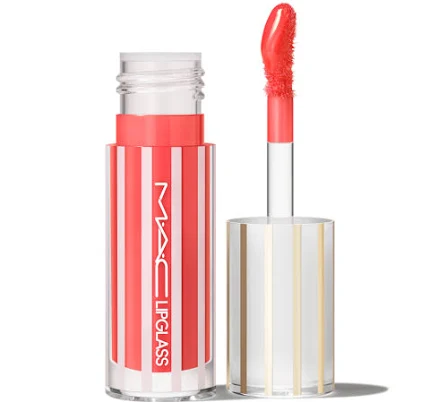
MAC · Lip Balm & Long-Wear Lipstick
MAC Mini Lipglass Air Non-Sticky Lip Gloss
Lower PFAS concern; no known waterproofing triggers, but brand provides no transparency.
This standard lip gloss contains no known PFAS red flags like waterproof or long-wear claims. MAC has not publicly disclosed PFAS testing or commitment.
We flunk more products than we pass. This one earned its grade. How we grade
Material
Conventional lip gloss formula (oils, resins, pigments)
Lab data
No public lab test
You may also be interested in
Top-graded picks in the categories readers replace first, every one scored on the same rubric.

- polypropylene filter housing, carbon/sediment cartridge
- We found no PFAS statement from the brand
- Bacterial growth in spent cartridges
3 hazards checked on this product, all on its full breakdown.

Aquasure
Premier Series 75 GPD Under Sink Reverse Osmosis Water Filtration System
- RO membrane, carbon filters, stainless steel housing
- We found no PFAS statement from the brand
- Bacterial and microbial growth in housing and filters
4 hazards checked on this product, all on its full breakdown.

Avocado
Vegan Mattress
- organic cotton, natural latex, coconut coir, recycled steel coils
- The brand calls it PFAS-free, which we have not verified
- Heavy metals
2 hazards checked on this product, all on its full breakdown.
What MAC Mini Lipglass Air Non-Sticky Lip Gloss is made of, ingredients and materials
MAC Mini Lipglass Air uses a standard emollient-resin lip gloss base typical of premium cosmetics, oils (likely mineral or plant-derived), film-forming resins, and synthetic or iron oxide pigments. This formulation avoids volatile organic solvents and drying alcohols, prioritizing slip and shine over longevity. The 'non-sticky' claim suggests use of silicone polymers (dimethicone) to reduce tackiness while maintaining gloss; this is a mature, well-tolerated ingredient class in lip products.
What’s concerning
Category baseline
The starting point for this type of product, before anything specific to this product is counted.
No PFAS disclosure
No public statement from the brand about PFAS in this product.
Fragrance allergens and undisclosed components
MAC Mini Lipglass Air contains fragrance (listed generically on label). EU regulations require fragrance allergens like limonene or linalool to be listed only if above 0.001%; undisclosed minor allergens are possible but rare in branded cosmetics. Risk is low unless user has known fragrance sensitivity.
What’s reassuring
Base material not linked to PFAS
The main material recorded for this product is not one associated with PFAS.
Heavy metals
No recalls or testing data document lead, cadmium, or arsenic in MAC Mini Lipglass Air. FD&C colorants used in US-market lip products are batch-tested for heavy metals by suppliers, though MAC does not publish certificates. Risk is low for occasional lip use due to minimal ingestion.
Source, FDA ↗Silicone polymer leaching or degradation
Dimethicone (silicone oil) is the likely non-sticky agent; it is stable at body temperature and not classified as a skin penetrant. No studies document leaching into saliva under normal use. Thermal stress (heat >40°C) could theoretically promote low-level migration, but lip products are not typically exposed to sustained heat.
Mica-based shimmer and talc contamination
If this formulation includes mica for shimmer, talc contamination is unlikely in modern supplies due to industry separation protocols, but MAC does not disclose talc testing. Asbestos risk from talc contamination is very low in cosmetics manufactured post-2020.
Parabens
Current MAC formulations use phenoxyethanol or other non-paraben preservatives; no formaldehyde releasers (DMDM hydantoin, imidazolidinyl urea) are listed on available ingredient databases. Risk is none_known.
Source, FDA ↗How is this PFAS grade calculated?
The brand's record and disclosure
MAC (Estée Lauder Companies) does not publish ingredient-level PFAS or heavy metal testing data on product pages, though parent company statements acknowledge PFAS phase-out commitments in some categories. No recalls, adverse event reports, or contamination findings are publicly documented for this specific product. MAC lists all colorants and preservatives on packaging; third-party ingredient audits (e.g., INCIDecoder) confirm absence of flagged preservatives like parabens or formaldehyde releasers in current formulations.
How it compares in its category
Lipgloss products carry lower systemic risk than foundation or primer because ingestion rates are minimal and contact area is small. MAC Mini Lipglass Air sits in the premium mid-tier; it avoids volatile solvents and high-toxicity dyes that appear in budget alternatives, but provides less transparency on trace metals or PFAS than ultra-premium or indie brands (e.g., Tower 28, Bite Beauty) that publish third-party heavy metal assays. Waterproof lipglosses carry higher PFAS risk; this product makes no waterproof claims.
If you buy it
Apply only to lips; avoid transfer to mucous membranes. Do not heat (e.g., in direct sunlight in closed vehicles) as silicone polymers can leach into oils under thermal stress, though risk is low at body temperature. Replace every 12-18 months or if color shifts, odor changes, or visible separation occurs (signs of oxidation or preservative failure). Store in cool, dry conditions and do not share applicators to prevent bacterial or fungal contamination.
What is not known about PFAS in this product?
- Basis
- Model estimate, 72% confidence, not a lab result
- Lab test
- None on record for this exact product
- Brand statement
- MAC has made a specific claim
Formulations change between production runs, so check the current label. How we grade.
More lip balm & long-wear lipstick grades
How we score, every product runs through the same public 0-100 rubric based on materials, coatings, brand disclosure, lab findings, and recalls. See the full methodology → Spotted a mistake? Report an error.