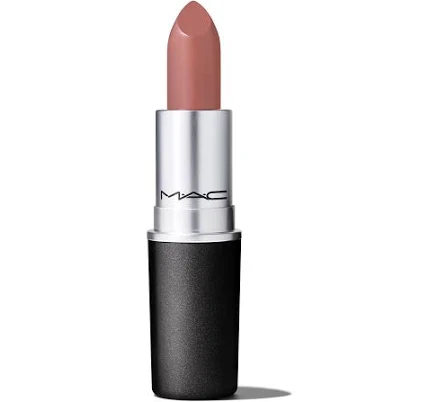
MAC · Lip Balm & Long-Wear Lipstick
Lipstick MAC Retro Matte
Lower concern. Typical lipstick formulation without known PFAS triggers.
MAC Retro Matte lipstick contains standard cosmetic waxes and pigments with no disclosed water-resistance or stain-guard treatments that would require PFAS. No public lab data or brand PFAS claims available.
We flunk more products than we pass. This one earned its grade. How we grade
Material
wax, oils, pigments, emollients
Lab data
No public lab test
You may also be interested in
Top-graded picks in the categories readers replace first, every one scored on the same rubric.

- polypropylene filter housing, carbon/sediment cartridge
- We found no PFAS statement from the brand
- Bacterial growth in spent cartridges
3 hazards checked on this product, all on its full breakdown.

Aquasure
Premier Series 75 GPD Under Sink Reverse Osmosis Water Filtration System
- RO membrane, carbon filters, stainless steel housing
- We found no PFAS statement from the brand
- Bacterial and microbial growth in housing and filters
4 hazards checked on this product, all on its full breakdown.

Avocado
Vegan Mattress
- organic cotton, natural latex, coconut coir, recycled steel coils
- The brand calls it PFAS-free, which we have not verified
- Heavy metals
2 hazards checked on this product, all on its full breakdown.
What Lipstick MAC Retro Matte is made of, ingredients and materials
MAC Retro Matte is a cream-to-matte lipstick formulated with waxes (likely carnauba or synthetic), oils, and iron oxide or synthetic pigments. The matte finish typically comes from silicates or talc-derived powders that reduce shine and create texture. These are standard cosmetic ingredients with long safety history, though the specific pigment load determines any heavy metal concern. Retro Matte does not use film-forming polymers or high water content, so microplastic shedding and bacterial growth risks are minimal.
What’s concerning
Category baseline
The starting point for this type of product, before anything specific to this product is counted.
No PFAS disclosure
No public statement from the brand about PFAS in this product.
Fragrance allergens and sensitization
Retro Matte contains fragrance compounds (listed as 'fragrance' on label, specific ingredients not disclosed). Common lipstick fragrances include cinnamal and geraniol, which can trigger lip dermatitis in sensitive individuals. MAC does not provide allergen breakdown.
Coating degradation and ingredient migration over time
Lipstick wax formulations can soften, separate, or oxidize with age or heat exposure, potentially altering pigment stability or releasing oxidized oil byproducts. This is a general cream lipstick concern, not specific to MAC, but cosmetics beyond 18 months should be replaced.
What’s reassuring
Base material not linked to PFAS
The main material recorded for this product is not one associated with PFAS.
Heavy metals
MAC does not publish heavy metal test results for Retro Matte. Iron oxides are regulated colorants with established safety limits, but lead or cadmium contamination is theoretically possible in sourcing. No recalls or reports link this product to metal toxicity.
Source, FDA ↗Talc contamination (asbestos risk)
MAC does not disclose whether Retro Matte uses talc or talc-free silicates in the matte base. If talc is present, modern cosmetic-grade talc is supposed to be asbestos-free under FDA oversight, but independent testing is not public. No asbestos incidents are on record for this line.
Formaldehyde / VOCs
Standard cosmetic preservatives in lipstick (methylisothiazolinone, phenoxyethanol) do not release formaldehyde. MAC formulations are not known to use outdated formaldehyde-releasing preservatives, but full preservative list is not disclosed.
Source, ATSDR ↗How is this PFAS grade calculated?
The brand's record and disclosure
MAC (Estée Lauder Companies) does not publicly disclose full ingredient sourcing or manufacturing audits in detail, though the parent company has general sustainability commitments. MAC lists all ingredients on product packaging (required by law) but does not voluntarily certify to third-party safety standards like Leaping Bunny or publish heavy metal testing data. No major recalls or contamination incidents are publicly associated with Retro Matte line. The brand is considered mainstream with standard regulatory compliance but limited transparency beyond legal minimums.
How it compares in its category
Retro Matte sits in the mid-range safety tier for cream lipsticks. It uses conventional pigments and waxes shared across most mass-market brands, with no known use of problematic dyes or banned additives. Some indie or clean-beauty lipsticks publish third-party metal testing, while prestige brands like MAC typically do not. The matte formula is chemically simpler than long-wear or plumping variants, which reduces exposure to silicone polymers and chemical penetration enhancers.
If you buy it
Store lipstick at room temperature away from direct heat (above 27°C may soften the base). Do not leave in hot cars or direct sunlight for extended periods, as wax separation or pigment degradation can occur. Replace every 12-18 months or if you notice color separation, odor change, or texture breakdown. If you have known sensitivities to iron oxides, mica, or synthetic colorants, patch-test on inner lip first; discontinue if irritation, rash, or swelling occurs.
What is not known about PFAS in this product?
- Basis
- Model estimate, 72% confidence, not a lab result
- Lab test
- None on record for this exact product
- Brand statement
- MAC has made a specific claim
Formulations change between production runs, so check the current label. How we grade.
More lip balm & long-wear lipstick grades
How we score, every product runs through the same public 0-100 rubric based on materials, coatings, brand disclosure, lab findings, and recalls. See the full methodology → Spotted a mistake? Report an error.