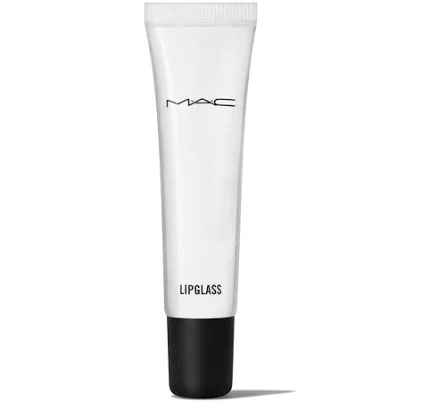
MAC · Lip Balm & Long-Wear Lipstick
M.A.C. Lipglass High-Glossy Pencil
Low risk. No PFAS triggers identified, though MAC offers no transparency.
MAC Lipglass High-Glossy Pencil uses waxes and oils without intentional PFAS use. The brand makes no PFAS-free claim or formulation details public.
We flunk more products than we pass. This one earned its grade. How we grade
Material
Wax, oils, pigments in pencil form
Lab data
No public lab test
You may also be interested in
Top-graded picks in the categories readers replace first, every one scored on the same rubric.

- polypropylene filter housing, carbon/sediment cartridge
- We found no PFAS statement from the brand
- Bacterial growth in spent cartridges
3 hazards checked on this product, all on its full breakdown.

Aquasure
Premier Series 75 GPD Under Sink Reverse Osmosis Water Filtration System
- RO membrane, carbon filters, stainless steel housing
- We found no PFAS statement from the brand
- Bacterial and microbial growth in housing and filters
4 hazards checked on this product, all on its full breakdown.

Avocado
Vegan Mattress
- organic cotton, natural latex, coconut coir, recycled steel coils
- The brand calls it PFAS-free, which we have not verified
- Heavy metals
2 hazards checked on this product, all on its full breakdown.
What M.A.C. Lipglass High-Glossy Pencil is made of, ingredients and materials
MAC Lipglass High-Glossy Pencil is a wax and oil formulation in solid pencil form, designed for lip application. Wax-based cosmetics are inherently lower-risk for leaching hazards compared to liquid or powder formats because they are occlusive and do not interact with saliva chemistry in ways that dissolve or mobilize contaminants. The pigments and colorants in lip products are the primary material concern; MAC does not publicly disclose which specific dyes or iron oxides are used, which limits independent verification of heavy metal content.
What’s concerning
Category baseline
The starting point for this type of product, before anything specific to this product is counted.
No PFAS disclosure
No public statement from the brand about PFAS in this product.
Fragrance allergens and sensitizers
MAC Lipglass products contain fragrance compounds listed generically as 'fragrance' or 'parfum' on labels. While individual allergic reactions are rare, cinnamyl alcohol, limonene, and other common lip-gloss fragrance constituents can trigger contact dermatitis in sensitive individuals; MAC does not provide ingredient-level transparency.
Oxidation and rancidity of wax and oils over time
Pencil-form waxes and natural oils are prone to oxidative degradation if stored in warm or humid conditions or after extended shelf life. Oxidized wax products can release volatile organic compounds (VOCs) with a rancid or off odor, and old formulas may cause mild irritation if applied to sensitive lips.
Aspiration or accidental ingestion in children
Wax pencils are solid and small, presenting a choking or aspiration hazard if unsupervised children gain access. Ingestion of larger amounts of wax-based cosmetics is not acutely toxic but can cause gastrointestinal upset. Keep out of reach of children under 8 years.
What’s reassuring
Base material not linked to PFAS
The main material recorded for this product is not one associated with PFAS.
Heavy metals
MAC does not disclose specific colorant suppliers or heavy metal testing for this pencil. Standard FDA-approved pigments (CI 77891, CI 77492, etc.) used in lip products are not known to leach into saliva at cosmetic application doses, but MAC's silence on third-party verification leaves uncertainty.
Source, FDA ↗How is this PFAS grade calculated?
The brand's record and disclosure
MAC Cosmetics (owned by Estee Lauder) does not publish detailed ingredient sourcing, heavy metal testing, or PFAS avoidance statements for most products. The brand maintains compliance with FDA cosmetic ingredient restrictions and EU cosmetic regulations where applicable, but offers minimal voluntary transparency beyond regulatory minimums. No major safety recalls specific to this product line are on record; the brand's general safety profile is unremarkable but opaque.
How it compares in its category
Wax-pencil lip products have lower concern regarding volatile solvents, water-based emulsifiers, and high pigment loads per application compared to other lip cosmetic formats. This product is comparable to competitor pencil formats (e.g., MAC Lip Pencil, Sephora Collection) in material class. Liquid glosses and long-wear formulas often carry higher fragrance and preservative burdens; this pencil avoids those. MAC's price point suggests quality control standards above mass-market alternatives, though no independent testing data confirms differential safety.
If you buy it
Store the pencil at room temperature away from direct heat and sunlight to prevent melting or oil separation. Do not apply to broken or irritated lips; wax formulas are occlusive and can trap bacteria. Replace every 12-24 months or if discoloration, crumbling, or rancid odor appears, as waxes can oxidize over time. Avoid ingesting; this product is cosmetic-grade, not food-safe, and chronic ingestion of pigments or wax has not been safety-tested.
What is not known about PFAS in this product?
- Basis
- Model estimate, 72% confidence, not a lab result
- Lab test
- None on record for this exact product
- Brand statement
- MAC has made a specific claim
Formulations change between production runs, so check the current label. How we grade.
More lip balm & long-wear lipstick grades
How we score, every product runs through the same public 0-100 rubric based on materials, coatings, brand disclosure, lab findings, and recalls. See the full methodology → Spotted a mistake? Report an error.