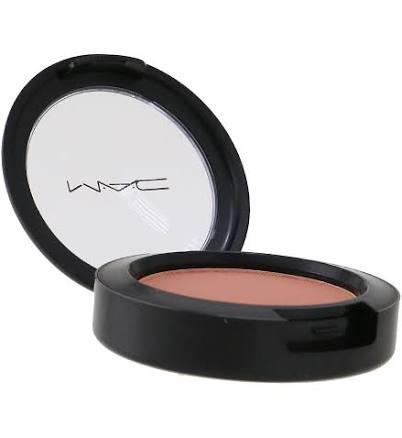
MAC Blush Powder
Low-Medium risk. Pressed powder has no known PFAS applications, but MAC doesn't disclose sourcing.
MAC Blush Powder contains talc, mica, and pigments, materials not typically linked to PFAS chemistry. MAC makes no public PFAS statement or third-party verification.
We flunk more products than we pass. This one earned its grade. How we grade
Material
talc, mica, pigments
Lab data
No public lab test
You may also be interested in
Top-graded picks in the categories readers replace first, every one scored on the same rubric.

- polypropylene filter housing, carbon/sediment cartridge
- We found no PFAS statement from the brand
- Bacterial growth in spent cartridges
3 hazards checked on this product, all on its full breakdown.

Aquasure
Premier Series 75 GPD Under Sink Reverse Osmosis Water Filtration System
- RO membrane, carbon filters, stainless steel housing
- We found no PFAS statement from the brand
- Bacterial and microbial growth in housing and filters
4 hazards checked on this product, all on its full breakdown.

Avocado
Vegan Mattress
- organic cotton, natural latex, coconut coir, recycled steel coils
- The brand calls it PFAS-free, which we have not verified
- Heavy metals
2 hazards checked on this product, all on its full breakdown.
What MAC Blush Powder is made of, ingredients and materials
MAC Blush Powder is formulated primarily from talc, mica, and synthetic iron oxide pigments pressed into a compact. Talc is a mineral powder widely used in pressed cosmetics for texture and blending; mica adds shimmer and light-reflecting properties. The pigments (typically iron oxides, titanium dioxide, and carmine or synthetic alternatives) are cosmetic-grade colorants. These materials are inert when applied to skin, but talc sourcing and pigment purity are the main safety considerations in this product category.
What’s concerning
Category baseline
The starting point for this type of product, before anything specific to this product is counted.
No PFAS disclosure
No public statement from the brand about PFAS in this product.
Heavy metals
Talc deposits can naturally contain asbestos or trace heavy metals (lead, cadmium) depending on mining source and refining. MAC does not disclose talc sourcing or third-party purity testing; regulatory agencies do not require cosmetic-grade talc labeling of asbestos risk in the US, though talc itself is not banned in cosmetics.
Source, FDA ↗Lead
Iron oxide pigments and synthetic mica colorants used in blush are cosmetic-grade but may contain trace heavy metals as manufacturing byproducts. MAC does not publish heavy metal testing results for individual blush shades. Incidental skin exposure to pressed powder pigments carries minimal systemic absorption risk.
Source, ATSDR ↗Inhalation risk during application
Powder inhalation during application is a documented concern for talc and mica-based products. People with asthma, chronic lung conditions, or dust sensitivity should use a damp brush to minimize powder cloud dispersal. This is not product-specific to MAC but applies to all loose or pressed powder blushes.
Mica environmental and purity concerns
Mica is mined in countries with variable labor and environmental oversight; sourcing and purity are not disclosed by MAC. Mica itself is not a skin irritant but mining practices and potential contamination during sourcing are not transparent.
What’s reassuring
Base material not linked to PFAS
The main material recorded for this product is not one associated with PFAS.
Fragrance allergens or undisclosed fragrance components
MAC Blush Powder is unscented; no fragrance allergen risk documented for this product line.
How is this PFAS grade calculated?
The brand's record and disclosure
MAC Cosmetics (Estée Lauder Companies) does not publicly disclose talc sourcing or full ingredient traceability on product packaging or website. The brand has faced no major regulatory actions or recalls specific to blush contamination. MAC lists ingredients on the product but does not provide third-party certifications for heavy metals or talc purity. Compared to brands offering talc-free or certified mineral alternatives, MAC maintains conventional standards without enhanced transparency.
How it compares in its category
Talc-based blushes like MAC's are industry standard and less costly than talc-free pressed formulations. Many prestige brands (Bobbi Brown, NARS, Charlotte Tilbury) use similar talc-mica bases without public purity certifications. Brands offering talc-free or certified alternatives (Physicians Formula, Bare Minerals, 100% Pure) command higher prices and market talc absence as a selling point. MAC's positioning is mid-to-premium with conventional safety practices, not differentiated by material sourcing rigor.
If you buy it
Apply with a clean brush and avoid inhaling powder clouds during use, especially if you have respiratory sensitivity. Do not apply to broken or irritated skin. Replace if the compact breaks or the powder becomes compressed and uneven, as this increases the risk of fallout and inhalation. Store in a cool, dry place away from moisture to prevent bacterial growth in the compact; pressed powders are low-maintenance but should be replaced annually if used daily.
What is not known about PFAS in this product?
- Basis
- Model estimate, 72% confidence, not a lab result
- Lab test
- None on record for this exact product
- Brand statement
- MAC has made a specific claim
Formulations change between production runs, so check the current label. How we grade.
What are the PFAS-free alternatives to MAC Blush Powder?
- pigments, waxes, oils in stick form
- We found no PFAS statement from the brand
- Fragrance allergens and sensitizers
2 hazards checked on this product, all on its full breakdown.
- water, glycerin, pigments, polymers
- We found no PFAS statement from the brand
- Lead
4 hazards checked on this product, all on its full breakdown.
- liquid pigments, water, glycerin, polymeric film-formers
- We found no PFAS statement from the brand
- Fragrance allergens
3 hazards checked on this product, all on its full breakdown.
More blush grades
How we score, every product runs through the same public 0-100 rubric based on materials, coatings, brand disclosure, lab findings, and recalls. See the full methodology → Spotted a mistake? Report an error.