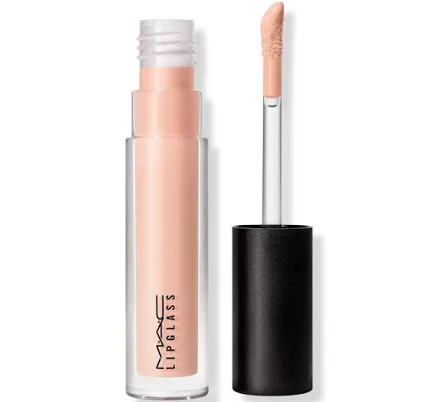
MAC · Lip Balm & Long-Wear Lipstick
Mac Lipglass - Pink - One Size
Low risk for PFAS, but MAC provides no transparency.
MAC Lipglass uses silicone oils, volatile carriers, pigments, and waxes. Lip glosses rarely require fluorinated surfactants or water-repellent coatings, so PFAS use is unlikely without full disclosure.
We flunk more products than we pass. This one earned its grade. How we grade
Material
Volatile silicones, oils, waxes, pigments
Lab data
No public lab test
You may also be interested in
Top-graded picks in the categories readers replace first, every one scored on the same rubric.

- polypropylene filter housing, carbon/sediment cartridge
- We found no PFAS statement from the brand
- Bacterial growth in spent cartridges
3 hazards checked on this product, all on its full breakdown.

Aquasure
Premier Series 75 GPD Under Sink Reverse Osmosis Water Filtration System
- RO membrane, carbon filters, stainless steel housing
- We found no PFAS statement from the brand
- Bacterial and microbial growth in housing and filters
4 hazards checked on this product, all on its full breakdown.

Avocado
Vegan Mattress
- organic cotton, natural latex, coconut coir, recycled steel coils
- The brand calls it PFAS-free, which we have not verified
- Heavy metals
2 hazards checked on this product, all on its full breakdown.
What Mac Lipglass - Pink - One Size is made of, ingredients and materials
MAC Lipglass is formulated primarily from volatile silicones (which evaporate quickly), mineral oils, waxes, and synthetic colorants. Unlike solid lipsticks, the silicone-oil base means this product has minimal heavy metal concentration risk in the pigment load, since the formula relies on liquid carriers rather than compacted powders. The volatile silicone component is why the product feels lightweight and non-sticky compared to traditional glosses, and these silicones are generally recognized as low concern for lip application by cosmetic regulators worldwide.
What’s concerning
Category baseline
The starting point for this type of product, before anything specific to this product is counted.
No PFAS disclosure
No public statement from the brand about PFAS in this product.
1,4-dioxane (manufacturing contaminant)
Not explicitly disclosed by MAC; silicone-based glosses can contain trace 1,4-dioxane as a byproduct of ethoxylation in ingredient production. No recalls on record for MAC Lipglass, but the absence of third-party testing data means presence cannot be ruled out.
Fragrance allergens (if present in formula)
MAC Lipglass formulations may contain unlisted fragrance components that trigger contact dermatitis in sensitive individuals. The ingredient list groups fragrance under 'parfum,' obscuring specific allergens; patch testing is recommended for users with known fragrance sensitivities.
Microplastic fragmentation
Some glosses contain microplastic spheres as texture agents, though MAC Lipglass formulations are not publicly listed as containing them. Silicone polymers themselves can shed micro-particles if the product separates or is contaminated; unknown whether MAC's manufacturing includes microplastic additives.
What’s reassuring
Base material not linked to PFAS
The main material recorded for this product is not one associated with PFAS.
Heavy metals
Synthetic dyes and iron oxides used in lip gloss pigments are tightly regulated for lead, cadmium, and arsenic by the FDA. No recalls or test reports of elevated metals in MAC Lipglass on record; the dilute pigment load in a silicone gloss further reduces exposure compared to powder products.
Source, FDA ↗Volatile silicone inhalation (minimal risk)
Volatile silicones in lip gloss are designed to evaporate quickly and are not intended for lung inhalation. Incidental exposure during application is negligible; no respiratory hazard documented for topical lip products at this concentration.
How is this PFAS grade calculated?
The brand's record and disclosure
MAC (owned by Estee Lauder Companies) does not publicly disclose full ingredient-level transparency or independent third-party safety testing results on its website. The brand is not known for major cosmetic safety recalls in the US or EU, and it complies with FDA cosmetic ingredient restrictions. However, MAC's silence on PFAS content and lack of voluntary ingredient transparency testing means consumers cannot independently verify absence of unexpected contaminants like 1,4-dioxane (a common byproduct in cosmetic manufacturing).
How it compares in its category
Silicone-based glosses like MAC Lipglass sit in the mainstream safety range for lip products. Compared to budget drugstore glosses, MAC products typically undergo more rigorous stability testing and have stricter manufacturing controls, reducing microplastic fragmentation risk. Compared to prestige brands marketing 'clean' credentials (like Kosas or RMS), MAC offers no special transparency or third-party certification, placing it in the middle tier of the category for safety communication.
If you buy it
Apply only to lips; do not ingest intentionally, though incidental ingestion from lip application is not a health concern. Store away from direct heat above 77F (25C), as volatile silicones can separate if overheated. Replace the product every 12-18 months or if the formula separates visibly or smells rancid (sign of lipid oxidation). Avoid contact with eyes; if irritation occurs after application, discontinue use and rinse thoroughly.
What is not known about PFAS in this product?
- Basis
- Model estimate, 72% confidence, not a lab result
- Lab test
- None on record for this exact product
- Brand statement
- MAC has made a specific claim
Formulations change between production runs, so check the current label. How we grade.
More lip balm & long-wear lipstick grades
How we score, every product runs through the same public 0-100 rubric based on materials, coatings, brand disclosure, lab findings, and recalls. See the full methodology → Spotted a mistake? Report an error.