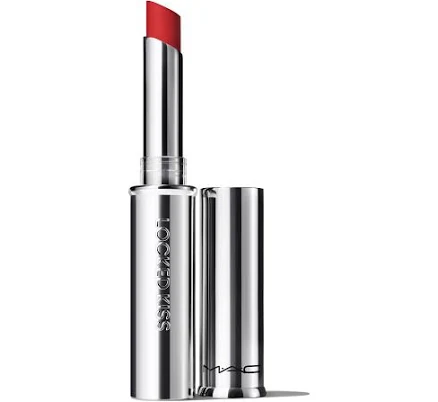
MAC · Lip Balm & Long-Wear Lipstick
MAC Locked Kiss Lipstick
Wax-based lipstick with no water-repellent finish on record.
MAC Locked Kiss Lipstick is formulated as a traditional wax blend with oils and pigments. No water-resistant coating or treatment is disclosed for this product. The brand has no PFAS statement on record.
We flunk more products than we pass. This one earned its grade. How we grade
Material
Wax blend, oils, pigments, traditional lipstick
Lab data
No public lab test
You may also be interested in
Top-graded picks in the categories readers replace first, every one scored on the same rubric.

- polypropylene filter housing, carbon/sediment cartridge
- We found no PFAS statement from the brand
- Bacterial growth in spent cartridges
3 hazards checked on this product, all on its full breakdown.

Aquasure
Premier Series 75 GPD Under Sink Reverse Osmosis Water Filtration System
- RO membrane, carbon filters, stainless steel housing
- We found no PFAS statement from the brand
- Bacterial and microbial growth in housing and filters
4 hazards checked on this product, all on its full breakdown.

Avocado
Vegan Mattress
- organic cotton, natural latex, coconut coir, recycled steel coils
- The brand calls it PFAS-free, which we have not verified
- Heavy metals
2 hazards checked on this product, all on its full breakdown.
What MAC Locked Kiss Lipstick is made of, ingredients and materials
MAC Locked Kiss Lipstick is a conventional wax-and-oil blend formula typical of traditional bullet lipsticks, without waterproofing agents that would elevate PFAS concern. The pigments used in color cosmetics are where heavy metal contamination most often occurs in this product category. MAC has not published specific ingredient safety testing data for heavy metals in pigments, which is common industry-wide but leaves a minor information gap. This formulation does not contain silicones or synthetic polymers that degrade into microplastics.
What’s concerning
Category baseline
The starting point for this type of product, before anything specific to this product is counted.
No PFAS disclosure
No public statement from the brand about PFAS in this product.
Lead
MAC does not publish pigment heavy metal test results. Color cosmetics routinely contain FDA-approved colorants that may carry trace heavy metals; no specific recall history exists for Locked Kiss, but ingredient-level testing data is unavailable to assess risk precisely.
Source, ATSDR ↗Fragrance allergens and undisclosed fragrance components
MAC lipsticks contain fragrance listed as a single ingredient on labels, masking individual fragrance components. Fragrance is a known dermal allergen; sensitivity risk is low for lip application but possible in individuals with cosmetic fragrance intolerance.
What’s reassuring
Base material not linked to PFAS
The main material recorded for this product is not one associated with PFAS.
Formaldehyde / VOCs
Formaldehyde releasers are used in some cosmetics as preservatives; MAC formulations are not documented to use these agents, and wax-oil bases do not inherently require them. No recalls or safety alerts on record for Locked Kiss.
Source, ATSDR ↗1,4-dioxane contamination
1,4-dioxane is a byproduct of certain surfactant manufacturing; traditional lipsticks do not use surfactants prominently, so this contaminant is not a typical concern for this product class.
Talc contamination
Locked Kiss is a bullet lipstick formulation without talc as a stated ingredient. Talc-free status is standard for modern MAC lipsticks and no asbestos or talc contamination has been reported for this line.
How is this PFAS grade calculated?
The brand's record and disclosure
MAC (Estee Lauder subsidiary) does not maintain a published PFAS stance or independent safety transparency report specific to this product line. The brand has not faced major recalls or public safety controversies tied to Locked Kiss lipsticks specifically. Estee Lauder operates under US FDA cosmetic oversight and EU restrictions on harmful substances, but does not voluntarily disclose heavy metal testing results or formulation safety certifications beyond regulatory minimum. Industry-standard disclosure lags behind other personal care brands on heavy metal limits in pigments.
How it compares in its category
Locked Kiss sits in the mainstream mid-premium lipstick segment with typical safety profile for its class. Waterproof lipsticks carry higher PFAS risk; this traditional formula avoids that concern. Some indie and clean beauty brands publish third-party pigment heavy metal testing; MAC does not, placing it in the norm for legacy beauty brands rather than ahead. The wax-oil base is chemically simpler than gel or long-wear synthetic formulations, reducing microplastic and off-gassing risk.
If you buy it
Replace lipstick every 12-18 months or if color separates, odor changes, or texture becomes grainy (signs of degradation or contamination). Do not heat or expose to direct sunlight for extended periods, as wax-based formulas can soften and oils may oxidize. Patch-test on inner lip if you have a history of cosmetic sensitivities, as fragrance or dyes may trigger reactions in some users. Store in a cool, dry place away from heat sources.
What is not known about PFAS in this product?
- Basis
- Model estimate, 72% confidence, not a lab result
- Lab test
- None on record for this exact product
- Brand statement
- MAC has made a specific claim
Formulations change between production runs, so check the current label. How we grade.
More lip balm & long-wear lipstick grades
How we score, every product runs through the same public 0-100 rubric based on materials, coatings, brand disclosure, lab findings, and recalls. See the full methodology → Spotted a mistake? Report an error.