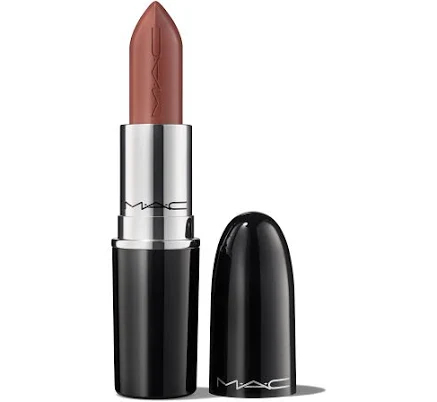
MAC · Lip Balm & Long-Wear Lipstick
MAC Lustre Lipstick
Lower concern; no known PFAS-prone ingredients typical of lipstick formulations.
MAC Lustre Lipstick contains common cosmetic waxes and oils with no disclosed PFAS. No public lab data or PFAS claims from MAC. Standard lipstick formulations typically do not require PFAS, though brands rarely disclose complete ingredient transparency.
We flunk more products than we pass. This one earned its grade. How we grade
Material
wax, oils, pigments, emollients
Lab data
No public lab test
You may also be interested in
Top-graded picks in the categories readers replace first, every one scored on the same rubric.

- polypropylene filter housing, carbon/sediment cartridge
- We found no PFAS statement from the brand
- Bacterial growth in spent cartridges
3 hazards checked on this product, all on its full breakdown.

Aquasure
Premier Series 75 GPD Under Sink Reverse Osmosis Water Filtration System
- RO membrane, carbon filters, stainless steel housing
- We found no PFAS statement from the brand
- Bacterial and microbial growth in housing and filters
4 hazards checked on this product, all on its full breakdown.

Avocado
Vegan Mattress
- organic cotton, natural latex, coconut coir, recycled steel coils
- The brand calls it PFAS-free, which we have not verified
- Heavy metals
2 hazards checked on this product, all on its full breakdown.
What MAC Lustre Lipstick is made of, ingredients and materials
MAC Lustre Lipstick is a traditional wax-based formula combining natural and synthetic waxes with oils, emollients, and iron oxide or mica pigments for color. The wax matrix (typically beeswax, candelilla, or carnauba) is stable and non-volatile, meaning it does not off-gas harmful compounds during normal use. Oils and emollients are standard cosmetic-grade ingredients with low systemic absorption through lips. Pigments in lipstick (iron oxides, titanium dioxide, micas) are inert mineral colorants with established safety history in color cosmetics.
What’s concerning
Category baseline
The starting point for this type of product, before anything specific to this product is counted.
No PFAS disclosure
No public statement from the brand about PFAS in this product.
Fragrance allergens
MAC Lustre formulas typically include fragrance compounds and essential oils for scent. Individuals with contact dermatitis, perfume sensitivity, or fragrance allergies may experience localized lip irritation; fragrance ingredients are not itemized on the label, limiting consumer screening.
Rancidity and oxidative breakdown of oils
Lipstick oils and emollients can oxidize or separate if stored in heat or sunlight over extended periods (beyond typical 2-3 year use window), potentially releasing minor volatile compounds or altering texture, though this is cosmetic degradation rather than acute toxicity risk.
What’s reassuring
Base material not linked to PFAS
The main material recorded for this product is not one associated with PFAS.
Heavy metals
Iron oxide pigments used in lipstick are regulated cosmetic colorants with low bioavailability. No published testing or recall for MAC Lustre reveals excess lead, cadmium, or arsenic; iron oxides themselves are inert mineral oxides.
Source, FDA ↗Formaldehyde / VOCs
Lipstick wax-oil formulas do not require formaldehyde-based preservatives or cross-linking resins. No public record or recall suggests formaldehyde contamination in MAC Lustre products.
Source, ATSDR ↗Talc contamination (if talc is present)
MAC Lustre is primarily wax-based and does not list talc in standard formulations; talc risk is not applicable to this product line. Some MAC products in other categories (e.g., powders) may use talc, but Lustre Lipstick does not.
How is this PFAS grade calculated?
The brand's record and disclosure
MAC does not publish detailed ingredient sourcing transparency or third-party heavy metal testing reports publicly, though the brand is part of Estee Lauder Companies (a major cosmetics conglomerate with general safety compliance infrastructure). No recall history or toxicity reports specific to Lustre Lipstick appear in FDA or independent safety databases. The brand is not known for proactive disclosure of formulation hazard testing, nor is it flagged for violations related to lipstick safety.
How it compares in its category
Lustre Lipstick sits in the mainstream prestige cosmetics segment and uses conventional wax-pigment chemistry typical of quality lipsticks. Compared to budget brands, MAC typically maintains tighter manufacturing controls. Compared to certified organic or indie brands that highlight testing, MAC provides less third-party verification but benefits from large-scale regulatory oversight. No significant safety differentiation separates Lustre from competitors in the same price and quality tier.
If you buy it
Lipstick is not designed for ingestion; incidental lip contact during eating or drinking poses minimal risk given the small amount transferred and low toxicity of standard wax formulas. Store in cool, dry conditions to prevent oil separation or rancidity (typically 2-3 years shelf life before noticeable degradation). Discontinue use if you develop localized allergic reaction (rare, usually to fragrance or dye sensitivity). No special handling or maintenance required; standard cosmetic hygiene (do not share applicators) applies.
What is not known about PFAS in this product?
- Basis
- Model estimate, 72% confidence, not a lab result
- Lab test
- None on record for this exact product
- Brand statement
- MAC has made a specific claim
Formulations change between production runs, so check the current label. How we grade.
More lip balm & long-wear lipstick grades
How we score, every product runs through the same public 0-100 rubric based on materials, coatings, brand disclosure, lab findings, and recalls. See the full methodology → Spotted a mistake? Report an error.