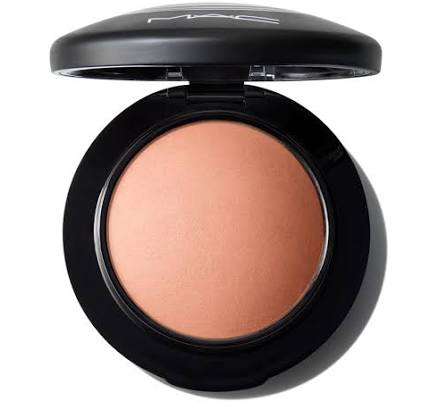
MAC Mineralize Blush
Low-Medium risk. Mineral-based powder with no known PFAS triggers, but MAC provides no transparency.
This mineral powder contains talc and mica with no documented nonstick coatings, water-resistance treatments, or Teflon-family coating additives. MAC makes no public PFAS claims.
We flunk more products than we pass. This one earned its grade. How we grade
Material
Mineral pigments, talc, mica
Lab data
No public lab test
You may also be interested in
Top-graded picks in the categories readers replace first, every one scored on the same rubric.

- polypropylene filter housing, carbon/sediment cartridge
- We found no PFAS statement from the brand
- Bacterial growth in spent cartridges
3 hazards checked on this product, all on its full breakdown.

Aquasure
Premier Series 75 GPD Under Sink Reverse Osmosis Water Filtration System
- RO membrane, carbon filters, stainless steel housing
- We found no PFAS statement from the brand
- Bacterial and microbial growth in housing and filters
4 hazards checked on this product, all on its full breakdown.

Avocado
Vegan Mattress
- organic cotton, natural latex, coconut coir, recycled steel coils
- The brand calls it PFAS-free, which we have not verified
- Heavy metals
2 hazards checked on this product, all on its full breakdown.
What MAC Mineralize Blush is made of, ingredients and materials
MAC Mineralize Blush is formulated with mineral pigments, talc, and mica as its primary base. Talc is a naturally occurring silicate mineral that has been widely used in cosmetics for decades to provide opacity and texture. Mica adds shimmer and light-diffusing properties. These ingredients are not inherently toxic at typical cosmetic concentrations, but talc's safety record carries historical concern regarding asbestos contamination risk, though modern cosmetic-grade talc is regulated to exclude asbestos in most jurisdictions.
What’s concerning
Category baseline
The starting point for this type of product, before anything specific to this product is counted.
No PFAS disclosure
No public statement from the brand about PFAS in this product.
Talc (inhalation and contamination risk)
Talc is a regulated ingredient in cosmetic-grade form and modern supplies are required to exclude asbestos in regulated markets. However, chronic inhalation of talc powder carries theoretical respiratory concern; the product itself poses no higher risk than other talc-based blushes, but users with asthma or chronic lung conditions should apply cautiously.
Fragrance allergens and fragrance disclosure
Blush formulations may contain fragrance compounds; MAC does not provide detailed fragrance ingredient breakdowns on packaging. Individuals with fragrance sensitivity or contact dermatitis should perform a patch test, particularly on sensitive facial skin.
Formaldehyde / VOCs
Pressed powder blushes may contain preservative systems to prevent microbial growth; MAC does not transparently list all preservatives on the consumer-facing label. Formaldehyde-releasing preservatives are restricted in the EU but remain permissible in the US at low levels; the product formulation is not publicly detailed enough to rule this out.
Source, ATSDR ↗What’s reassuring
Base material not linked to PFAS
The main material recorded for this product is not one associated with PFAS.
Heavy metals
No recalls or documented contamination of MAC Mineralize Blush with lead, cadmium, or other heavy metals have been reported. Mineral pigments used in cosmetics are regulated for heavy metal content in most jurisdictions, and MAC complies with these standards.
Source, FDA ↗Mica (potential impurities)
Mica is a common, regulated cosmetic ingredient with no established toxicity at typical use levels. Synthetic mica is generally preferred over natural mica in cosmetics to reduce heavy metal impurities, and no specific contamination issues have been documented for this product.
How is this PFAS grade calculated?
The brand's record and disclosure
MAC is part of the Estee Lauder Companies portfolio and operates under standard cosmetic regulatory frameworks (FDA in the US, EU regulations in Europe). The brand does not publish detailed ingredient sourcing or PFAS avoidance statements on its website, reflecting a broader industry silence on PFAS in decorative cosmetics rather than a known controversy. MAC has not faced major product recalls specific to heavy metal contamination in recent years, and the brand maintains baseline compliance with cosmetic safety regulations.
How it compares in its category
Mineral blushes like Mineralize occupy a middle ground in the blush category. They are positioned as more natural than synthetic dye-based blushes but do not offer the formulation transparency of indie or clean beauty brands that detail talc-free or talc-sourcing claims. Cream blushes typically carry lower talc exposure, while pressed mineral powders generally contain higher percentages. MAC's offering is typical for mainstream prestige cosmetics in this regard.
If you buy it
Apply with a brush rather than fingers to reduce inhalation of powder particles, especially if you have respiratory sensitivity. Avoid blending directly over the mouth or in areas where powder can be inhaled into lungs. Store in a cool, dry place to prevent moisture ingress, which can degrade the pressed cake and promote bacterial growth. Replace every 18-24 months or if discoloration, odor, or texture breakdown occurs.
What is not known about PFAS in this product?
- Basis
- Model estimate, 72% confidence, not a lab result
- Lab test
- None on record for this exact product
- Brand statement
- MAC has made a specific claim
Formulations change between production runs, so check the current label. How we grade.
What are the PFAS-free alternatives to MAC Mineralize Blush?
- pigments, waxes, oils in stick form
- We found no PFAS statement from the brand
- Fragrance allergens and sensitizers
2 hazards checked on this product, all on its full breakdown.
- water, glycerin, pigments, polymers
- We found no PFAS statement from the brand
- Lead
4 hazards checked on this product, all on its full breakdown.
- liquid pigments, water, glycerin, polymeric film-formers
- We found no PFAS statement from the brand
- Fragrance allergens
3 hazards checked on this product, all on its full breakdown.
More blush grades
How we score, every product runs through the same public 0-100 rubric based on materials, coatings, brand disclosure, lab findings, and recalls. See the full methodology → Spotted a mistake? Report an error.