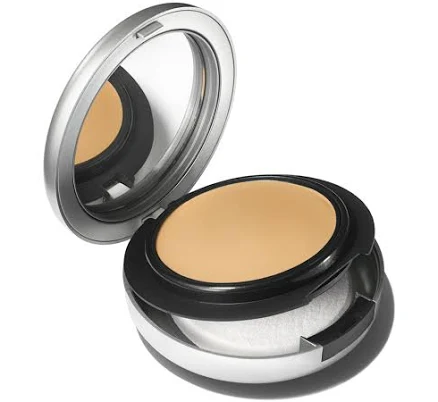
MAC Studio Fix Tech Cream-To-Powder Foundation
Insufficient public data; standard cosmetic lacking known PFAS-linked ingredients.
This talc and silica-based foundation has no publicly disclosed PFAS-related ingredients or treatments. Full ingredient sourcing is not verifiable.
The better-graded swap
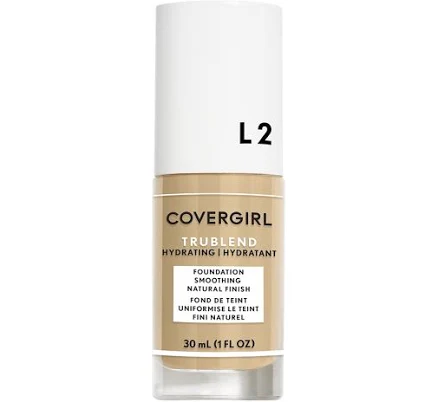
CoverGirl
COVERGIRL TruBlend Liquid Foundation Makeup
75/100 safety
Same rubric that flunked this product. The swap earned Excellent.
Still want this one anyway? Check the price on Amazon. We’d swap it.
Material
Cream-to-powder emulsion with talc, silica, oils, and pigments
Lab data
No public lab test
You may also be interested in
Top-graded picks in the categories readers replace first, every one scored on the same rubric.

- polypropylene filter housing, carbon/sediment cartridge
- We found no PFAS statement from the brand
- Bacterial growth in spent cartridges
3 hazards checked on this product, all on its full breakdown.

Aquasure
Premier Series 75 GPD Under Sink Reverse Osmosis Water Filtration System
- RO membrane, carbon filters, stainless steel housing
- We found no PFAS statement from the brand
- Bacterial and microbial growth in housing and filters
4 hazards checked on this product, all on its full breakdown.

Avocado
Vegan Mattress
- organic cotton, natural latex, coconut coir, recycled steel coils
- The brand calls it PFAS-free, which we have not verified
- Heavy metals
2 hazards checked on this product, all on its full breakdown.
What MAC Studio Fix Tech Foundation is made of, ingredients and materials
MAC Studio Fix Tech is an emulsion combining talc, silica, oils, and iron oxide pigments that transform from cream to powder on skin. Talc is the primary concern in powder-based makeup because historical talc sources have occasionally contained asbestos, though cosmetic-grade talc is now regulated to exclude asbestos fibers. The silica component is finely milled and inert when applied topically, and the oils (typically cyclohexasiloxane or mineral oil) are cosmetic-grade emollients with minimal skin penetration risk at typical use levels.
What’s concerning
Category baseline
The starting point for this type of product, before anything specific to this product is counted.
No PFAS disclosure
No public statement from the brand about PFAS in this product.
Talc (asbestos contamination risk)
Cosmetic talc is regulated to exclude asbestos fibers in the US (FDA) and EU, but talc mining occasionally yields trace contamination in unrefined sources. MAC does not publicly disclose its talc supplier or testing frequency, so residual risk cannot be ruled out, though regulatory compliance is assumed.
Fragrance allergens
MAC Studio Fix Tech contains fragrance (typically listed as perfume or essential oil components); individuals with fragrance sensitivity or contact dermatitis may experience irritation, though the concentration is lower than in scented skincare products.
Silica inhalation risk (powder application)
When applied with a brush or sponge, fine silica particles may become airborne in small amounts. Chronic occupational silica exposure carries lung disease risk, but recreational or daily cosmetic use at typical doses is considered low-risk by regulatory agencies (IARC, FDA). Individuals with existing respiratory conditions should exercise caution.
What’s reassuring
Base material not linked to PFAS
The main material recorded for this product is not one associated with PFAS.
Heavy metals
Synthetic iron oxides (CI 77491, 77492, 77499) used in cosmetics are highly purified and regulated; no recalls or adverse health reports specific to MAC foundations from iron oxide contamination are documented. Dermal absorption of iron oxides is minimal.
Source, FDA ↗Cyclohexasiloxane (volatile siloxane emollient)
If this product contains cyclic siloxanes (common in cream-to-powder formulas), they evaporate during application and are not bioaccumulative in human tissue at cosmetic exposure levels; no reproductive or endocrine concerns are established for topical use.
How is this PFAS grade calculated?
The brand's record and disclosure
MAC (Estee Lauder subsidiary) does not publish detailed ingredient-specific safety certifications or third-party testing results for this product on its public-facing materials. The brand has faced no major recalls or regulatory actions specific to this foundation in the US or EU. MAC is not known for PFAS transparency; no public commitment to PFAS phase-out or reformulation has been documented for their color cosmetics line.
How it compares in its category
Cream-to-powder foundations as a category almost universally use talc or silica as their structural base; alternatives like kaolin clay or starch-based powders exist but are less common at mid-to-premium price points. MAC's formulation is typical for its tier and offers no unusual hazard profile compared to competitors such as Bobbi Brown Face Base, NARS All Day Luminous, or drugstore equivalents. Independent safety testing of specific batches is rarely published for foundations, making direct comparison difficult.
If you buy it
Store in a cool, dry place away from humidity to prevent clumping and potential mold growth in the cream phase. Discontinue use if you notice skin irritation, discoloration of the product, or separation of oil and powder phases, which can signal degradation or bacterial colonization. Replace every 6 months to 1 year depending on storage and frequency of use. Do not ingest or apply near eyes; wash hands after application to avoid accidental transfer to mouth or mucous membranes.
What is not known about PFAS in this product?
- Basis
- Model estimate, 35% confidence, not a lab result
- Lab test
- None on record for this exact product
- Brand statement
- MAC has made a specific claim
Formulations change between production runs, so check the current label. How we grade.
More makeup grades
How we score, every product runs through the same public 0-100 rubric based on materials, coatings, brand disclosure, lab findings, and recalls. See the full methodology → Spotted a mistake? Report an error.