Maxfli · Golf Balls & Equipment
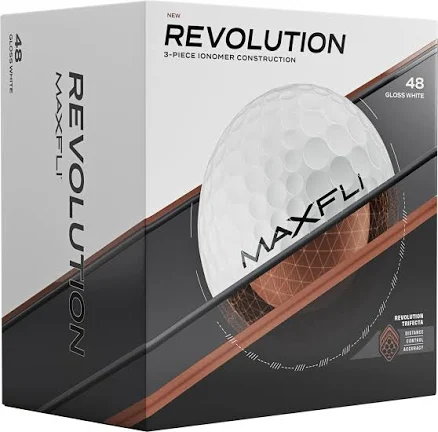
Maxfli Revolution Golf Balls
Golf ball coating chemistry not disclosed, limiting transparency on PFAS concern.
This golf ball has a synthetic polymer cover and elastomer core. The cover has a coating with undisclosed chemistry. Maxfli has no PFAS statement on record.
The better-graded swap
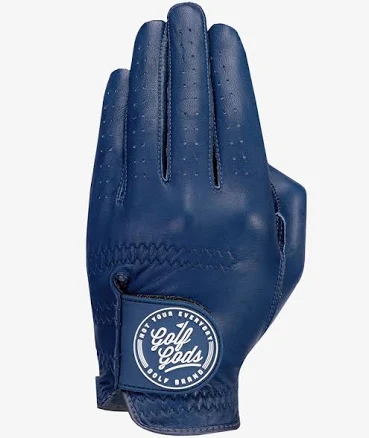
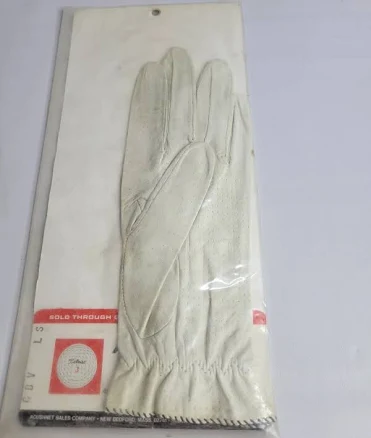
Cabretta Leather Golf Glove
85/100 safety
Same rubric that flunked this product. The swap earned Excellent.
Still want this one anyway? Check the price on Amazon. We’d swap it.
Material
Synthetic polymer cover, elastomer core
Brand disclosure
Brand is silent on PFAS
Lab data
No public lab test
You may also be interested in
Top-graded picks in the categories readers replace first, every one scored on the same rubric.

- polypropylene filter housing, carbon/sediment cartridge
- We found no PFAS statement from the brand
- Bacterial growth in spent cartridges
3 hazards checked on this product, all on its full breakdown.

Aquasure
Premier Series 75 GPD Under Sink Reverse Osmosis Water Filtration System
- RO membrane, carbon filters, stainless steel housing
- We found no PFAS statement from the brand
- Bacterial and microbial growth in housing and filters
4 hazards checked on this product, all on its full breakdown.

Avocado
Vegan Mattress
- organic cotton, natural latex, coconut coir, recycled steel coils
- The brand calls it PFAS-free, which we have not verified
- Heavy metals
2 hazards checked on this product, all on its full breakdown.
What Maxfli Revolution Golf Balls is made of, ingredients and materials
Maxfli Revolution balls use a synthetic polymer cover (typically ionomer resin or polyurethane blend) over an elastomer core, a standard construction in mid-tier golf balls. This material combination is inert during normal use; golf balls are not ingested, heated, or worn against skin for prolonged periods, eliminating the primary exposure pathways for coating leachates or degradation byproducts. The elastomer core may contain processing aids or vulcanization residues, but these remain encapsulated during play and do not migrate into food, water, or skin contact.
What’s concerning
Category baseline
The starting point for this type of product, before anything specific to this product is counted.
No PFAS disclosure
No public statement from the brand about PFAS in this product.
Unknown / proprietary coating
A coating is recorded with no disclosed chemistry.
Microplastic shedding from cover degradation
Synthetic polymer covers can degrade under UV exposure, heat, or mechanical stress (scuffing from club contact), potentially releasing microplastics into turf and water systems during play. Exposure to the golfer is negligible; environmental persistence is the concern.
What’s reassuring
Volatile organic compounds (VOCs) during manufacturing or early storage
No published data on off-gassing from Maxfli Revolution balls during storage or transport. Ionomer and elastomer formulations may emit trace volatiles in the first weeks post-manufacture, but no recall or complaint evidence exists for this product line.
Heavy metals
Elastomer vulcanization and processing may involve zinc oxide or other heavy metal catalysts, but these remain bound in the cured polymer matrix. No public testing has identified leachable lead, cadmium, or other toxins from golf ball cores.
Source, FDA ↗Skin irritation from surface residues or contaminants
Handling golf balls poses minimal risk; any residual mold release agents or processing oils are present in trace amounts. Individuals with severe polymer sensitivities may experience mild irritation from prolonged contact, but this is not a documented issue with Maxfli Revolution or competing brands.
How is this PFAS grade calculated?
The brand's record and disclosure
Maxfli (owned by Dick's Sporting Goods) does not publish material safety data sheets, manufacturing certifications, or PFAS-related statements for golf balls. No voluntary safety recalls, contamination incidents, or independent testing results for this product are on public record. The brand's silence on chemical composition is typical for the golf equipment category, where regulatory oversight is minimal and consumer pressure for transparency is low.
How it compares in its category
Golf balls as a category carry negligible chemical safety concern compared to cookware, food packaging, or textiles because contact is indirect, brief, and non-ingestion. Maxfli Revolution sits in the mainstream performance segment and does not claim eco-certifications or special material innovations that would raise or lower chemical risk relative to competitors like Titleist Pro V1, Callaway Chrome Soft, or Bridgestone Tour B. No established brand differentiation exists in safety profile.
If you buy it
Store balls in a cool, dry location away from direct sunlight and heat sources above 140F (60C), which may accelerate any minor off-gassing or cover embrittlement over years of storage. Replace balls if the cover shows deep cuts, peeling, or permanent discoloration, as compromised coatings may shed microparticles during play. Wash hands after play if you have skin sensitivities, though dermal contact risk is minimal. No special maintenance is required.
What is not known about PFAS in this product?
- Basis
- Model estimate, 35% confidence, not a lab result
- Lab test
- None on record for this exact product
- Brand statement
- Maxfli has made none
Formulations change between production runs, so check the current label. How we grade.
What are the PFAS-free alternatives to Maxfli Revolution Golf Balls?
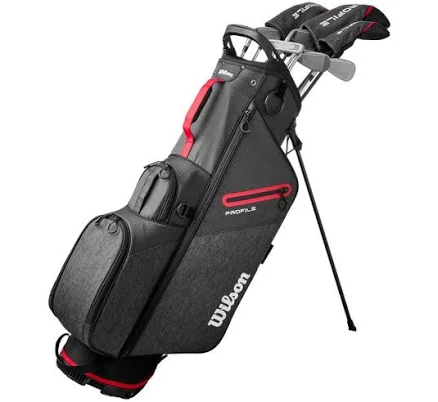
- Steel clubheads, graphite shafts, rubber grips
- We found no PFAS statement from the brand
- Graphite shaft resin degradation and fiber exposure
3 hazards checked on this product, all on its full breakdown.
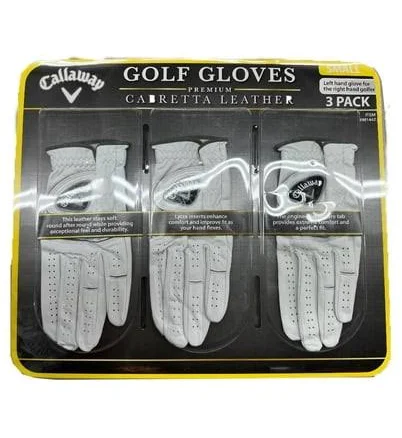
- Cabretta leather, likely tannin-tanned
- We found no PFAS statement from the brand
- Heavy metals
4 hazards checked on this product, all on its full breakdown.
- leather or synthetic leather with cotton lining
- We found no PFAS statement from the brand
- Heavy metals
4 hazards checked on this product, all on its full breakdown.
Find an alternative on AmazonMore golf balls & equipment grades
How we score, every product runs through the same public 0-100 rubric based on materials, coatings, brand disclosure, lab findings, and recalls. See the full methodology → Spotted a mistake? Report an error.