Maxfli · Golf Balls & Equipment
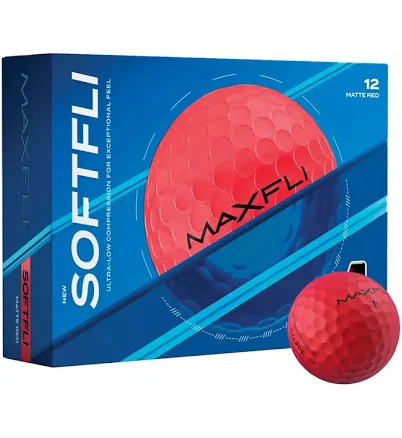
Maxfli Softfli Golf Balls
Coating makeup unknown, no PFAS data available.
Maxfli hasn't revealed what chemicals coat these golf balls or their PFAS content. No independent testing or public certifications exist.
The better-graded swap
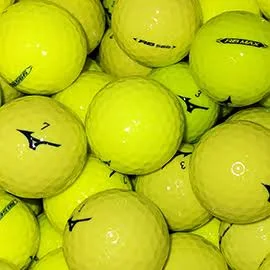
Mizuno
MIZUNO Yellow Mix used golf balls - Foundgolfballs.com 5A (5 Dozen)
85/100 safety
Same rubric that flunked this product. The swap earned Excellent.
Still want this one anyway? Check the price on Amazon. We’d swap it.
Material
Synthetic rubber/polymer core, proprietary cover coating
Brand disclosure
Brand is silent on PFAS
Lab data
No public lab test
You may also be interested in
Top-graded picks in the categories readers replace first, every one scored on the same rubric.

- polypropylene filter housing, carbon/sediment cartridge
- We found no PFAS statement from the brand
- Bacterial growth in spent cartridges
3 hazards checked on this product, all on its full breakdown.

Aquasure
Premier Series 75 GPD Under Sink Reverse Osmosis Water Filtration System
- RO membrane, carbon filters, stainless steel housing
- We found no PFAS statement from the brand
- Bacterial and microbial growth in housing and filters
4 hazards checked on this product, all on its full breakdown.

Avocado
Vegan Mattress
- organic cotton, natural latex, coconut coir, recycled steel coils
- The brand calls it PFAS-free, which we have not verified
- Heavy metals
2 hazards checked on this product, all on its full breakdown.
What Maxfli Softfli Golf Balls is made of, ingredients and materials
Maxfli Softfli balls use a synthetic rubber or polymer core wrapped in a proprietary cover coating, typical of modern golf ball construction. The core materials (elastomers, resins) are engineered for durability and performance under repeated impact and outdoor weathering. The cover coating's exact composition is proprietary and undisclosed, which limits independent verification of additives. Because golf balls are struck, not ingested or heated in food preparation, dermal and inhalation exposure during normal use is negligible.
What’s concerning
Category baseline
The starting point for this type of product, before anything specific to this product is counted.
No PFAS disclosure
No public statement from the brand about PFAS in this product.
Unknown / proprietary coating
A coating is recorded with no disclosed chemistry.
Polymer coating degradation and particulate release
Proprietary cover coatings on golf balls degrade through UV exposure, impact wear, and temperature cycling. No data exists on whether Maxfli Softfli cover sheds microparticles or leaches additives with age, but polymer coatings in outdoor sports goods commonly do so.
Unknown additive chemistry in proprietary coating
Maxfli does not disclose the cover coating formulation, so presence or absence of colorants, UV stabilizers, plasticizers, or flame retardants cannot be verified. Industry-standard additives (e.g., carbon black, antioxidants) are typically low-hazard but unconfirmed here.
PFAS
Maxfli has provided no public stance on PFAS use or testing. Water-resistant golf ball coatings may include PFAS compounds, but no testing data or certifications are available to confirm or rule out presence.
Source, ATSDR ↗What’s reassuring
Heavy metals
No public data or recalls indicate lead, cadmium, or other heavy metals in Maxfli golf ball coatings. Modern golf ball dyes and pigments are not commonly flagged for heavy metal contamination, but testing is not publicly available for this brand.
Source, FDA ↗Off-gassing or VOC emission
Golf balls are not heated or used in confined spaces, so volatile organic compound off-gassing poses no meaningful inhalation risk during typical use. No complaints or data suggest excessive odor or fume issues with Softfli balls.
How is this PFAS grade calculated?
The brand's record and disclosure
Maxfli is owned by Dick's Sporting Goods and does not publicly disclose detailed material certifications, testing reports, or PFAS statements for its golf balls. No safety recalls or established controversies specific to Softfli balls are on record. The brand does not market sustainability or toxicity credentials, and offers no transparency on cover coating composition or manufacturing processes.
How it compares in its category
Golf balls across major brands (Titleist, Callaway, TaylorMade) use similar proprietary synthetic core and coating systems with minimal public safety data. Maxfli is a mid-market brand; its balls are not premium-tier certified products but also carry no documented safety disadvantages versus competitors. All golf balls remain largely unregulated for chemical content since they are sporting goods, not consumer products subject to FDA or CPSC oversight.
If you buy it
Store golf balls in a cool, dry place away from prolonged direct sunlight, which can degrade polymer surfaces over years. Wash balls with mild soap and water after play; avoid harsh solvents or high-temperature cleaning. Inspect for visible cracks or coating separation annually; replace if compromised. No special precautions needed during normal play; wash hands after handling if concerned about residual dust or coatings.
What is not known about PFAS in this product?
- Basis
- Model estimate, 35% confidence, not a lab result
- Lab test
- None on record for this exact product
- Brand statement
- Maxfli has made none
Formulations change between production runs, so check the current label. How we grade.
What are the PFAS-free alternatives to Maxfli Softfli Golf Balls?
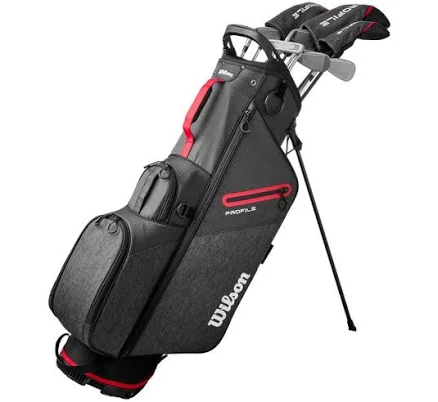
- Steel clubheads, graphite shafts, rubber grips
- We found no PFAS statement from the brand
- Graphite shaft resin degradation and fiber exposure
3 hazards checked on this product, all on its full breakdown.
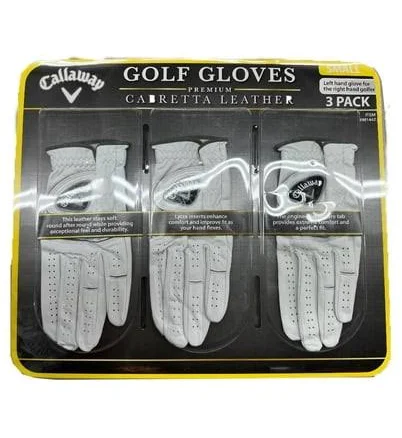
- Cabretta leather, likely tannin-tanned
- We found no PFAS statement from the brand
- Heavy metals
4 hazards checked on this product, all on its full breakdown.
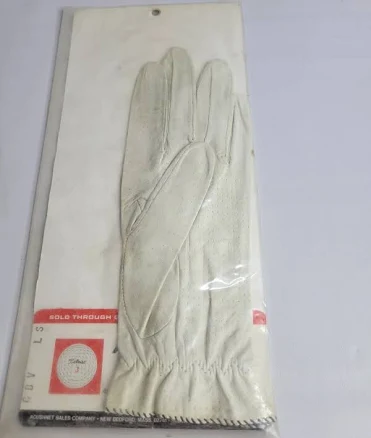
- leather or synthetic leather with cotton lining
- We found no PFAS statement from the brand
- Heavy metals
4 hazards checked on this product, all on its full breakdown.
Find an alternative on AmazonMore golf balls & equipment grades
How we score, every product runs through the same public 0-100 rubric based on materials, coatings, brand disclosure, lab findings, and recalls. See the full methodology → Spotted a mistake? Report an error.