Method · Fabric Stain Guard Sprays
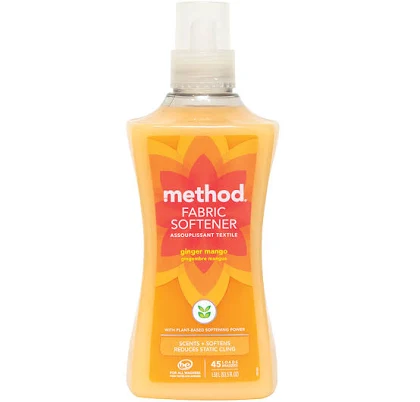
Method Ginger Mango Fabric Softener 53.5 Oz Spray - 4ct Case
Lower PFAS concern, but Method offers no ingredient transparency.
This fabric softener liquid lacks water-resistant coatings or repellency claims that would trigger PFAS use. Fabric softeners rarely contain PFAS, though Method stays silent on ingredient specifics.
We flunk more products than we pass. This one earned its grade. How we grade
Material
water-based fabric softener (liquid spray formulation)
Lab data
No public lab test
What Method Ginger Mango Fabric Softener 53.5 is made of, ingredients and materials
Method Ginger Mango Fabric Softener is a water-based liquid spray formulation, not a coating or treatment applied to fabric fibers. Water-based sprays eliminate the risk of Teflon-type coating-related fume inhalation that aerosol or solvent-based fabric treatments can pose. The product relies on surfactants and fragrance compounds suspended in water, with no known volatile organic solvents or formaldehyde-release resins typical of some fabric conditioning products.
What’s concerning
Category baseline
The starting point for this type of product, before anything specific to this product is counted.
No PFAS disclosure
No public statement from the brand about PFAS in this product.
Fragrance allergen content (unlabeled)
Method lists 'fragrance' in marketing but does not publicly disclose specific fragrance components (e.g., limonene, linalool, cinnamaldehyde from 'ginger mango'). Individuals with fragrance sensitivity or contact dermatitis may experience reaction. No allergen warning on record.
1,4-dioxane (trace solvent contaminant)
Water-based cosmetic and personal-care products, including some fabric softeners, can contain trace 1,4-dioxane as an unintended byproduct of surfactant manufacture. Method has not published testing data for this product. Exposure from fabric softener spray is typically dermal and minimal, but no independent verification is available.
Skin sensitization from direct contact
Concentrated fabric softener formulations can irritate skin or eyes if sprayed directly or if residue is not rinsed from fabric. This product is intended for fabric application; contact with skin should be avoided. No safety data sheet is publicly available to confirm irritation classification.
What’s reassuring
Base material not linked to PFAS
The main material recorded for this product is not one associated with PFAS.
Heavy metals
Liquid fabric softeners typically do not require pigmentation; the Ginger Mango fragrance is olfactory. No data suggests the presence of heavy metal-based dyes or colorants in this formulation.
Source, FDA ↗Formaldehyde / VOCs
Water-based spray formulations do not employ formaldehyde-release fabric finishing resins. This hazard is not relevant to liquid fabric softener products.
Source, ATSDR ↗The full breakdown
The brand's record and disclosure
Method is known for marketing transparency around plant-derived and non-toxic ingredients, though the company has not published a detailed ingredient list or safety data sheet for this specific formulation in public domain. Method has not disclosed PFAS use or non-use in fabric care products, despite the company's general positioning on sustainable chemistry. No recalls or safety controversies have been established for Method fabric softeners.
How it compares in its category
Fabric softener sprays as a category carry minimal hazard profile compared to concentrated fabric conditioners or aerosol formulations. This water-based spray sits at the lower-risk end, avoiding solvent volatilization and aerosol inhalation. Most commercial fabric softeners (Method included) do not disclose fragrance allergen composition, a category-wide gap that affects comparison.
If you buy it
Spray the product onto fabric or into washing machine as directed on label; do not ingest or apply to skin. Store in a cool, dry place away from direct heat or flame. If spray nozzle becomes clogged, rinse with warm water rather than forcing; do not disassemble the spray mechanism. Discontinue use if skin irritation or respiratory sensitivity develops and consult a healthcare provider.
What we don’t know
- Basis
- Model estimate, 72% confidence, not a lab result
- Lab test
- None on record for this exact product
- Brand statement
- Method has made a specific claim
Formulations change between production runs, so check the current label. How we grade.
More fabric stain guard sprays grades
How we score, every product runs through the same public 0-100 rubric based on materials, coatings, brand disclosure, lab findings, and recalls. See the full methodology → Spotted a mistake? Report an error.