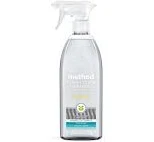
Method · Fabric Stain Guard Sprays
method Stain and Odor Treatment
Medium risk due to missing PFAS transparency from the brand.
This enzyme-based stain spray contains no water-repelling or nonstick components that typically harbor PFAS. Method provides no public PFAS information, limiting your confidence in the safety claim.
Still want this one anyway? Check the price on Amazon. We’d swap it.
Material
aqueous enzymatic formula with surfactants
Lab data
No public lab test
What method Stain and Odor Treatment is made of, ingredients and materials
Method Stain and Odor Treatment uses an aqueous enzymatic formula, meaning it relies on proteases and other biological enzymes to break down protein-based stains (blood, sweat, food) rather than harsh solvents. Surfactants in the formulation help lift oils and suspend dirt so they rinse away. This approach avoids volatile organic compounds (VOCs) typical of solvent-based stain removers, making it lower-risk for inhalation and respiratory irritation during application.
What’s concerning
Category baseline
The starting point for this type of product, before anything specific to this product is counted.
No PFAS disclosure
No public statement from the brand about PFAS in this product.
Surfactant skin and eye irritation
Anionic surfactants in enzymatic formulas can cause mild irritation with direct contact; risk is low in normal spray-and-rinse use but increases if product gets in eyes or is used on sensitive skin without rinsing.
Enzyme sensitization with repeated exposure
Protease enzymes in stain removers are known occupational allergens among frequent handlers; domestic users face minimal risk in typical application, but asthmatics or those with sensitive airways may experience respiratory sensitivity with repeated inhalation of spray.
Fragrance allergens
Method products typically contain synthetic or plant-derived fragrance blends; common allergens include limonene and other terpenes, which can cause contact dermatitis or trigger respiratory responses in sensitive individuals, though exact fragrance profile is not fully itemized on label.
Enzyme activity loss and product efficacy over time
Proteases are unstable and degrade in storage, especially if exposed to heat or light; effectiveness drops after 6-12 months, but this is a performance issue rather than a safety hazard, though old product may be rinsed less effectively from fabric.
What’s reassuring
Base material not linked to PFAS
The main material recorded for this product is not one associated with PFAS.
PFAS
No published testing or recall has documented PFAS in Method Stain and Odor Treatment specifically; however, the brand's silence on PFAS and the existence of fluorochemical fabric treatments mean it cannot be ruled out without independent testing or brand disclosure.
Source, ATSDR ↗The full breakdown
The brand's record and disclosure
Method is owned by SC Johnson and has built a reputation for transparency in ingredient disclosure; the brand publishes ingredient lists and has avoided major product safety recalls in the stain/cleaning category. However, Method has not publicly disclosed PFAS testing or commitment to PFAS-free formulations across its product line, leaving uncertainty about whether this or related products contain water-repellent fluorochemicals. This silence is noteworthy given that fabric treatments and water-resistant finishes sometimes contain PFAS, though enzymatic stain removers are lower-risk candidates than water guards.
How it compares in its category
Most enzymatic fabric treatments (Fels-Naptha, OxiClean, Zout) share similar low-toxicity profiles; Method's is competitive. Solvent-based alternatives (older Shout formulas, petroleum distillate products) carry higher VOC and inhalation risk. Method's plant-derived enzyme approach aligns with the lower concern segment of the category, though some competitors now emphasize explicit PFAS avoidance, giving Method a relative disadvantage in transparency rather than hazard profile.
If you buy it
Apply to stains on dry fabric, let sit 5-15 minutes before washing in warm or hot water; enzymes work best with heat and agitation. Rinse hands thoroughly after application; while low-toxicity, surfactants can irritate eyes and skin on contact. Store in a cool, dry place away from children; do not mix with other cleaning products. Replace bottle after 12-18 months if stored opened, as enzyme activity degrades over time.
What we don’t know
- Basis
- Model estimate, 45% confidence, not a lab result
- Lab test
- None on record for this exact product
- Brand statement
- Method has made a specific claim
Formulations change between production runs, so check the current label. How we grade.
More fabric stain guard sprays grades
How we score, every product runs through the same public 0-100 rubric based on materials, coatings, brand disclosure, lab findings, and recalls. See the full methodology → Spotted a mistake? Report an error.