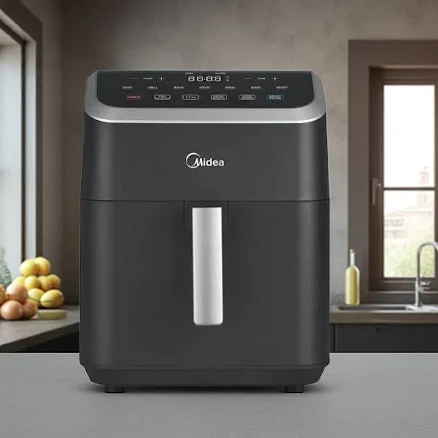
Midea 11-Quart Two-Zone Air Fryer Oven
Skip until Midea discloses coating chemistry or switches to PFAS-free materials.
Midea doesn't disclose what the non-stick coating on the heating surfaces contains or whether it's PFAS-free. Standard non-stick coatings commonly use Teflon-type coating or Teflon-family coating without transparent confirmation.
The better-graded swap
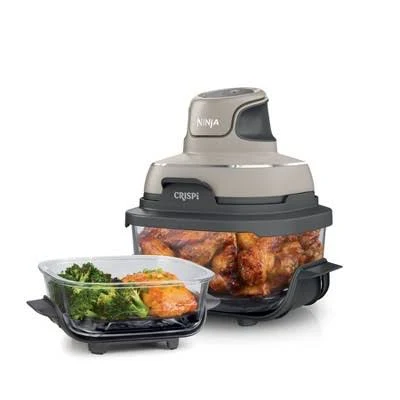
Ninja
Ninja Crispi 4-in-1 Portable Glass Air Fryer Cooking System
75/100 safety
Same rubric that flunked this product. The swap earned Excellent.
Still want this one anyway? Check the price on Amazon. We’d swap it.
Material
Non-stick coated heating elements (composition unspecified)
Lab data
No public lab test
You may also be interested in
Top-graded picks in the categories readers replace first, every one scored on the same rubric.

- polypropylene filter housing, carbon/sediment cartridge
- We found no PFAS statement from the brand
- Bacterial growth in spent cartridges
3 hazards checked on this product, all on its full breakdown.

Aquasure
Premier Series 75 GPD Under Sink Reverse Osmosis Water Filtration System
- RO membrane, carbon filters, stainless steel housing
- We found no PFAS statement from the brand
- Bacterial and microbial growth in housing and filters
4 hazards checked on this product, all on its full breakdown.

Avocado
Vegan Mattress
- organic cotton, natural latex, coconut coir, recycled steel coils
- The brand calls it PFAS-free, which we have not verified
- Heavy metals
2 hazards checked on this product, all on its full breakdown.
What Midea 11-Quart Two-Zone Air Fryer Oven is made of, ingredients and materials
This unit uses non-stick coated heating elements, but Midea has not disclosed whether the coating is Teflon-type coating-based (traditional) or a newer fluorine-free alternative. The heating chamber likely contains aluminum and steel; non-stick surfaces are the primary chemical concern. Without transparency on coating composition, you cannot definitively rule out legacy PFAS chemistry (Teflon-type coating/Teflon or similar), which degrades under high heat and can release fumes if overheated or damaged.
What’s concerning
Category baseline
The starting point for this type of product, before anything specific to this product is counted.
No PFAS disclosure
No public statement from the brand about PFAS in this product.
Non-stick, chemistry undisclosed
Marketed as non-stick without stating the coating chemistry.
Teflon-type coating thermal decomposition / fume inhalation risk
If the non-stick coating is Teflon-type coating-based (unconfirmed by Midea), temperatures above 570F cause decomposition and can release irritant gases; air fryer operating range is typically below this, but overheating, damage, or manufacturing defects increase risk. Lack of disclosed coating chemistry means you cannot rule this out.
Non-stick coating degradation and ingestion of particles
Peeling or flaking non-stick coating can contaminate food; ceramic coatings are more durable, but unspecified Midea coatings may be more prone to breakdown with daily use and thermal cycling. Inspect frequently and discard unit if coating visibly deteriorates.
Volatile organic compounds (VOCs) from off-gassing during initial use
New non-stick cookware and appliances often release odors during first heating cycles; Midea does not publish off-gassing test data. Run unit in a ventilated space for initial uses and expect a plastic or chemical smell to dissipate within a few cycles.
What’s reassuring
Aluminum leaching into food
Aluminum heating surfaces do not typically leach into food at normal air frying temperatures if the non-stick coating is intact. Once coating degrades, direct aluminum contact with acidic or salt-containing foods can increase leaching; risk is low but grows with coating age.
Electrical or heating element failure
No widespread safety recalls or heating failure reports have been established for this Midea model in public databases. Typical air fryer failure modes involve thermostat or element defects; not a material chemical hazard but a functional reliability concern aligned with brand reputation.
How is this PFAS grade calculated?
The brand's record and disclosure
Midea is a major Chinese home appliance manufacturer with limited publicly available chemical disclosure for cookware products sold in Western markets. No established independent certifications (such as GreenGuard or similar) have been widely reported for this model. The brand has not made public statements about phasing out PFAS in non-stick coatings, nor published ingredient transparency reports comparable to leading Western cookware brands. This silence is a material gap in consumer protection.
How it compares in its category
Air fryers as a category typically use aluminum or steel chambers with Teflon-type coating or ceramic non-stick linings. Premium brands (e.g., Ninja, Instant Brands) have increasingly moved toward ceramic or explicitly PFAS-free non-stick alternatives and publish that information; budget brands often remain opaque. Midea's two-zone design is a practical advantage, but the lack of coating disclosure puts it behind transparent competitors in the same price range. Comparable models from Cosori or Philips provide clearer non-stick chemistry documentation.
If you buy it
Never exceed the manufacturer's maximum temperature setting (typically 400F for air fryers); excess heat accelerates non-stick coating degradation and potential fume release. Inspect the non-stick coating regularly for scratches, peeling, or discoloration; discontinue use immediately if visible damage occurs. Hand-wash only; dishwasher use and abrasive scouring degrade non-stick surfaces faster. Do not preheat empty for extended periods, as this concentrates heat on the coating. If you experience any smell during operation, stop use and contact customer service or consider replacement.
What is not known about PFAS in this product?
- Basis
- Model estimate, 45% confidence, not a lab result
- Lab test
- None on record for this exact product
- Brand statement
- Midea has made a specific claim
Formulations change between production runs, so check the current label. How we grade.
What are the PFAS-free alternatives to Midea 11-Quart Two-Zone Air Fryer Oven?
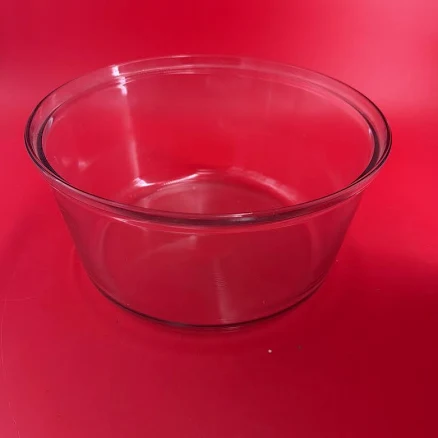
- borosilicate glass, bare uncoated
- We found no PFAS statement from the brand
- Thermal shock and fracture
2 hazards checked on this product, all on its full breakdown.
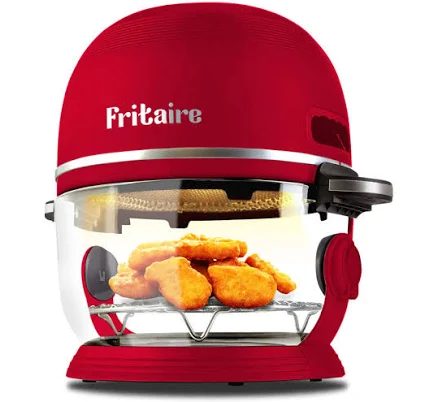
- borosilicate glass
- We found no PFAS statement from the brand
- Aluminum leaching from base/housing
4 hazards checked on this product, all on its full breakdown.
Find an alternative on Amazon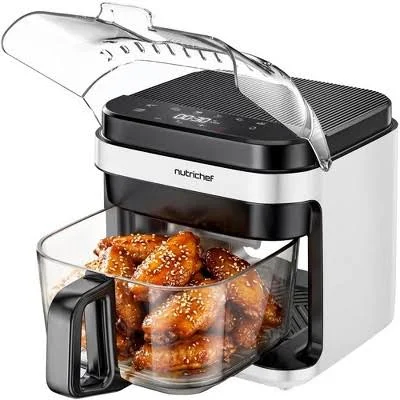
- glass bowl, stainless steel exterior
- We found no PFAS statement from the brand
- Thermal stress and glass breakage
2 hazards checked on this product, all on its full breakdown.
Find an alternative on AmazonMore air fryers grades
How we score, every product runs through the same public 0-100 rubric based on materials, coatings, brand disclosure, lab findings, and recalls. See the full methodology → Spotted a mistake? Report an error.