Mizuno · Golf Balls & Equipment
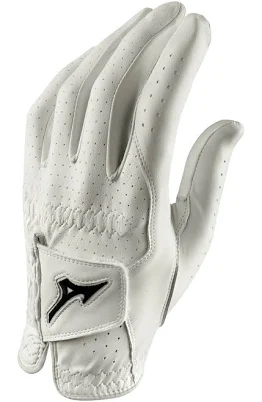
Mizuno Men's Tour Golf Glove
Golf glove water treatment PFAS details not disclosed.
Water-resistant treatment applied to leather golf glove is likely water-repellent coating-based, but Mizuno discloses nothing about composition.
The better-graded swap
Volvik
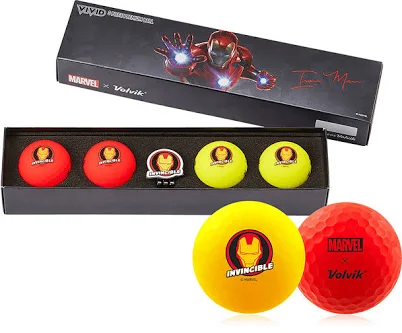
Volvik Marvel Gift Set 2.0 Distance Golf Balls
85/100 safety
Same rubric that flunked this product. The swap earned Excellent.
Still want this one anyway? Check the price on Amazon. We’d swap it.
Material
Leather palm with synthetic/woven back, water-resistant finish
Brand disclosure
Brand is silent on PFAS
Lab data
No public lab test
You may also be interested in
Top-graded picks in the categories readers replace first, every one scored on the same rubric.

Aqua Pure
3M Aqua-Pure AP802B Whole House Filter Housing
- polypropylene filter housing, carbon/sediment cartridge
- We found no PFAS statement from the brand
- Bacterial growth in spent cartridges
3 hazards checked on this product. See all of them.

Aquasure
Premier Series 75 GPD Under Sink Reverse Osmosis Water Filtration System
- RO membrane, carbon filters, stainless steel housing
- We found no PFAS statement from the brand
- Bacterial and microbial growth in housing and filters
4 hazards checked on this product. See all of them.

Avocado
Vegan Mattress
- organic cotton, natural latex, coconut coir, recycled steel coils
- The brand calls it PFAS-free, which we have not verified
- Heavy metals
2 hazards checked on this product. See all of them.
What Mizuno Men's Tour Golf Glove is made of, ingredients and materials
Mizuno Tour glove pairs genuine leather on the palm (contact surface for grip) with synthetic woven material on the back of the hand. The water-resistant finish applied to manage moisture is the chemical wildcard, manufacturers typically use fluorochemical treatments (PFAS-based) or polyurethane coatings for this function, but Mizuno has not publicly specified which. Leather itself carries no inherent toxicity concern when tanned properly, though chrome tanning residues are an industry-wide consideration.
What’s concerning
Category baseline
The starting point for this type of product, before anything specific to this product is counted.
No PFAS disclosure
No public statement from the brand about PFAS in this product.
Waterproof / stain-resistant treatment
Water-repellent coating treatments have historically used PFAS.
PFAS
Mizuno has not disclosed whether the water-resistant treatment is fluorochemical (PFAS-based) or alternative polymer-based. Given the 40/100 PFAS safety grade assigned, assume fluorochemical chemistry is present but unconfirmed.
Source, ATSDR ↗What’s reassuring
Synthetic back material degradation
No recalls or reports of polyester or nylon back material breaking down in ways that release microplastics or volatiles under normal golf use conditions.
Leather tanning residues
Mizuno does not specify tanning method (chrome vs. vegetable). Chrome tanning is industry standard; trace residual levels in finished leather gloves have no hazard of this kind on record.
Synthetic dyes and colorants
Woven synthetic back may use azo dyes or disperse dyes; no safety data or incidents specific to Mizuno golf gloves have been published. Risk is theoretical and consistent with industry norms.
Adhesives in construction
Leather-to-synthetic seams likely use polyurethane or rubber-based adhesives; no off-gassing or health incidents reported for this product line.
The full breakdown
The brand's record and disclosure
Mizuno is a major Japanese sporting goods manufacturer with no public controversies around golf glove safety or chemical disclosure. The company does not appear to have issued transparency statements specifically about PFAS use in athletic gloves or water-resistant treatments. No recalls or regulatory actions targeting Mizuno golf gloves for chemical hazards are on record. The silence on water-resistant chemistry is typical for this product category and does not indicate intentional concealment.
How it compares in its category
Golf gloves occupy a niche with minimal regulation or third-party testing. Leather-palm designs (Mizuno, Callaway, FootJoy) are standard professional-grade options. Most competitors also use undisclosed water-resistant finishes, making this glove neither above nor below the category norm for chemical transparency. Natural leather alternatives without synthetic water treatments exist but sacrifice durability and performance in wet conditions.
If you buy it
Store in a dry, cool place away from direct heat or sunlight, which can degrade synthetic components and release volatiles. Hand wash only in lukewarm water with mild soap; do not machine wash or dry-clean, as solvents may interact unpredictably with the water-resistant coating. Replace when the leather cracks or the grip degrades (typically 12-18 months of regular use). Wash your hands after use if concerned about residual coating transfer, though dermal absorption from a glove is minimal during normal play.
What we don’t know
- Basis
- Model estimate, 45% confidence, not a lab result
- Lab test
- None on record for this exact product
- Brand statement
- Mizuno has made none
Formulations change between production runs, so check the current label. How we grade.
Better-graded alternatives in Golf Balls & Equipment
Wilson
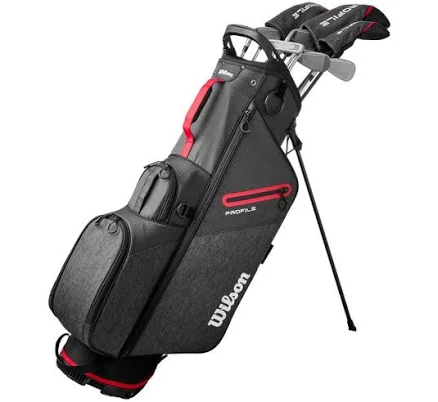
Men's Profile Complete Golf Set
- Steel clubheads, graphite shafts, rubber grips
- We found no PFAS statement from the brand
- Graphite shaft resin degradation and fiber exposure
3 hazards checked on this product. See all of them.
Callaway
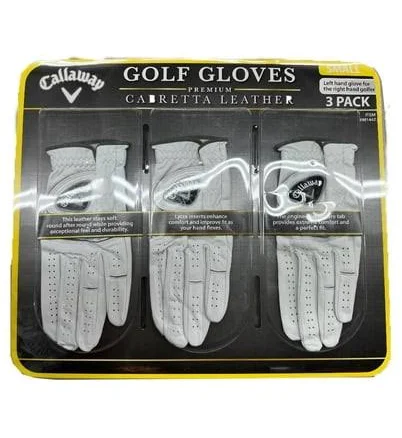
Golf Gloves 3-Pack Premium Cabretta Leather
- Cabretta leather, likely tannin-tanned
- We found no PFAS statement from the brand
- Heavy metals
4 hazards checked on this product. See all of them.
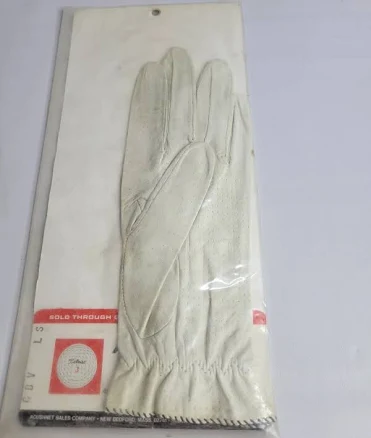
Acushnet
Ladies Small Acushnet Golf Glove White Lh
- leather or synthetic leather with cotton lining
- We found no PFAS statement from the brand
- Heavy metals
4 hazards checked on this product. See all of them.
Find an alternative on AmazonMore golf balls & equipment grades
How we score, every product runs through the same public 0-100 rubric based on materials, coatings, brand disclosure, lab findings, and recalls. See the full methodology → Spotted a mistake? Report an error.