Mizuno · Golf Balls & Equipment
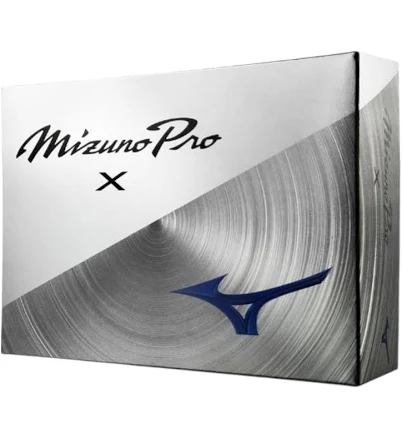
Mizuno Pro X Golf Ball
Skip until brand discloses PFAS status and coating details.
Mizuno does not publicly disclose PFAS information or detail the cover's polymer composition. Golf balls typically receive synthetic coatings, yet Mizuno provides no transparency on chemical inputs.
The better-graded swap
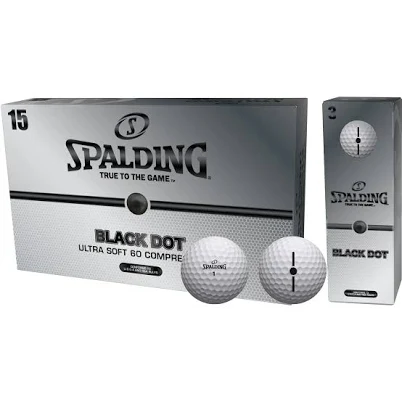
Spalding
Spalding Pack
85/100 safety
Same rubric that flunked this product. The swap earned Excellent.
Still want this one anyway? Check the price on Amazon. We’d swap it.
Material
Synthetic polymer cover, core composition unspecified
Brand disclosure
Brand is silent on PFAS
Lab data
No public lab test
You may also be interested in
Top-graded picks in the categories readers replace first, every one scored on the same rubric.

Aqua Pure
3M Aqua-Pure AP802B Whole House Filter Housing
- polypropylene filter housing, carbon/sediment cartridge
- We found no PFAS statement from the brand
- Bacterial growth in spent cartridges
3 hazards checked on this product. See all of them.

Aquasure
Premier Series 75 GPD Under Sink Reverse Osmosis Water Filtration System
- RO membrane, carbon filters, stainless steel housing
- We found no PFAS statement from the brand
- Bacterial and microbial growth in housing and filters
4 hazards checked on this product. See all of them.

Avocado
Vegan Mattress
- organic cotton, natural latex, coconut coir, recycled steel coils
- The brand calls it PFAS-free, which we have not verified
- Heavy metals
2 hazards checked on this product. See all of them.
What Mizuno Pro X Golf Ball is made of, ingredients and materials
Mizuno Pro X uses a synthetic polymer cover (material type not publicly detailed by brand) over an unspecified core, likely ionomer or rubber-based. Synthetic covers are chemically stable during normal play and do not degrade into microplastics or leach chemicals during contact with hands, clubs, or grass. The hazard profile differs sharply from food-contact plastics because golf balls are not ingested, heated, or repeatedly bent, eliminating the main pathways for polymer degradation.
What’s concerning
Category baseline
The starting point for this type of product, before anything specific to this product is counted.
No PFAS disclosure
No public statement from the brand about PFAS in this product.
Unknown / proprietary coating
A coating is recorded with no disclosed chemistry.
PFAS
Synthetic golf ball covers often incorporate water-repellent treatments; PFAS use in such coatings is common industry-wide but Mizuno has not disclosed or ruled out PFAS presence in Pro X models.
Source, ATSDR ↗Core material leaching into soil or water at end of life
Unspecified core composition (rubber, ionomer, or synthetic blend) means long-term environmental leaching risk cannot be fully assessed. This is a disposal concern, not a use-phase hazard for the player.
What’s reassuring
Microplastic shedding during use and decay
Golf balls are not heated, chewed, or mechanically abraded in ways that fragment polymers into microplastics. Normal play and storage do not produce respirable particles; end-of-life disposal to landfill or water is the main environmental pathway, not user inhalation.
Heavy metals
No reports of lead, cadmium, or antimony contamination in golf balls from major manufacturers. Polymer covers typically rely on organic colorants; no public safety data suggests otherwise for Mizuno Pro X.
Source, FDA ↗Volatile organic compound (VOC) off-gassing
Golf balls are not confined indoors and do not create enclosed-space vapor concerns. Any residual VOCs from manufacturing disperse during outdoor use and storage; no documented health complaints from golf ball use related to off-gassing.
The full breakdown
The brand's record and disclosure
Mizuno has not publicly disclosed PFAS content or use in golf ball coatings, and no independent recalls or safety warnings for this product are on record. The brand maintains general quality certifications (golf equipment standards) but lacks transparency around polymer sourcing and manufacturing inputs. Without confirmation of PFAS-free status or detailed material composition, full risk assessment is incomplete.
How it compares in its category
Golf balls from major manufacturers (Callaway, Titleist, TaylorMade) similarly withhold detailed polymer chemistry; this is industry norm, not Mizuno-specific. Professional and recreational golf balls are subject to USGA performance rules but not consumer product safety labeling requirements, creating a transparency gap across the category. Mizuno's pricing and performance tier place it in the mainstream competition bracket with no established safety differentiation.
If you buy it
Use and storage pose no identified risks. Handle normally; no special care is required beyond standard golf etiquette. If concerned about PFAS exposure, contact Mizuno directly to request PFAS testing documentation and coating specifications before purchase. Replace balls if visible cracking or delamination occurs (sign of cover degradation), though this is normal wear, not a safety trigger.
What we don’t know
- Basis
- Model estimate, 35% confidence, not a lab result
- Lab test
- None on record for this exact product
- Brand statement
- Mizuno has made none
Formulations change between production runs, so check the current label. How we grade.
Better-graded alternatives in Golf Balls & Equipment
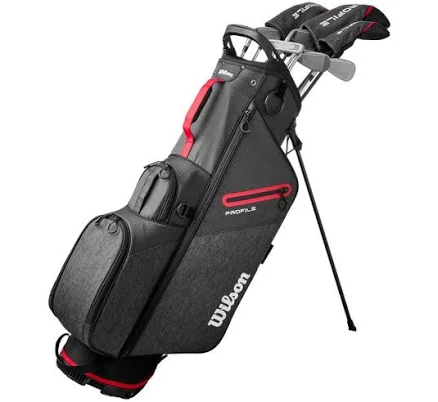
Wilson
Men's Profile Complete Golf Set
- Steel clubheads, graphite shafts, rubber grips
- We found no PFAS statement from the brand
- Graphite shaft resin degradation and fiber exposure
3 hazards checked on this product. See all of them.
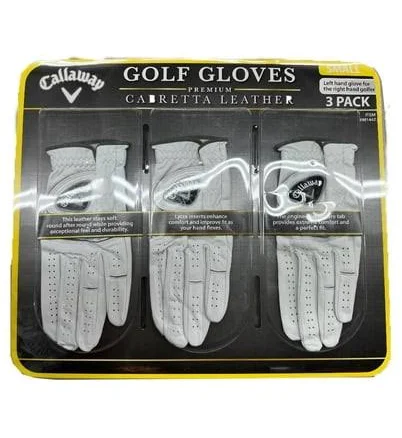
Callaway
Golf Gloves 3-Pack Premium Cabretta Leather
- Cabretta leather, likely tannin-tanned
- We found no PFAS statement from the brand
- Heavy metals
4 hazards checked on this product. See all of them.
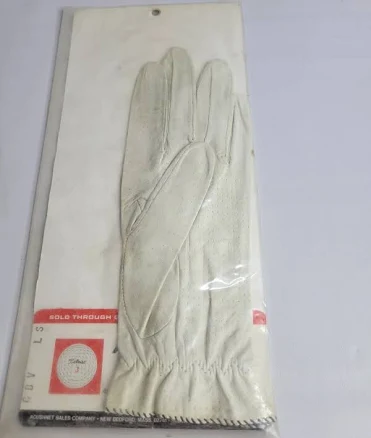
Acushnet
Ladies Small Acushnet Golf Glove White Lh
- leather or synthetic leather with cotton lining
- We found no PFAS statement from the brand
- Heavy metals
4 hazards checked on this product. See all of them.
Find an alternative on AmazonMore golf balls & equipment grades
How we score, every product runs through the same public 0-100 rubric based on materials, coatings, brand disclosure, lab findings, and recalls. See the full methodology → Spotted a mistake? Report an error.