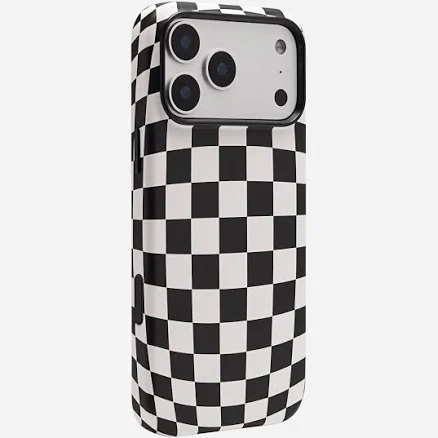
Mophie · Waterproof Phone Cases
mophie Check Case for iPhone 17
Typical phone case, lower concern. No PFAS disclosure.
Mophie does not disclose PFAS in this iPhone case. Polycarbonate and microfiber are unlikely to contain PFAS, but no public testing or brand statement confirms this. Contact brand for material certainty if concerned.
We flunk more products than we pass. This one earned its grade. How we grade
Material
Polycarbonate plastic shell, microfiber interior
Brand disclosure
Brand is silent on PFAS
Lab data
No public lab test
You may also be interested in
Top-graded picks in the categories readers replace first, every one scored on the same rubric.

- polypropylene filter housing, carbon/sediment cartridge
- We found no PFAS statement from the brand
- Bacterial growth in spent cartridges
3 hazards checked on this product, all on its full breakdown.

Aquasure
Premier Series 75 GPD Under Sink Reverse Osmosis Water Filtration System
- RO membrane, carbon filters, stainless steel housing
- We found no PFAS statement from the brand
- Bacterial and microbial growth in housing and filters
4 hazards checked on this product, all on its full breakdown.

Avocado
Vegan Mattress
- organic cotton, natural latex, coconut coir, recycled steel coils
- The brand calls it PFAS-free, which we have not verified
- Heavy metals
2 hazards checked on this product, all on its full breakdown.
What mophie Check Case for iPhone 17 is made of, ingredients and materials
The Mophie Check Case uses polycarbonate plastic for the rigid shell and microfiber fabric for the interior liner. Polycarbonate is a hard, impact-resistant thermoplastic commonly used in phone cases because it does not readily leach chemicals into skin contact at room temperature, unlike softer plastics. The microfiber interior is a synthetic textile designed to minimize scratches on the device; microfiber itself poses minimal chemical hazard when used passively (not heated or chewed). Neither material is known to off-gas volatile organic compounds at normal phone-use temperatures.
What’s concerning
Category baseline
The starting point for this type of product, before anything specific to this product is counted.
No PFAS disclosure
No public statement from the brand about PFAS in this product.
Microplastic shedding from microfiber interior
Microfiber textiles can shed microscopic fibers during normal wear and cleaning. Shed fibers may accumulate in pockets or on phones but pose negligible inhalation or ingestion risk in this application because the case is not worn on skin or heated.
Degradation and brittleness over extended time
Polycarbonate can become brittle and crack after 2-5 years of UV exposure or thermal stress, at which point the case loses protective function. Cracks may harbor bacteria or trap moisture against the phone, but do not themselves leach toxins.
What’s reassuring
Base material not linked to PFAS
The main material recorded for this product is not one associated with PFAS.
BPA & bisphenols
Polycarbonate phone cases are not known to leach BPA or related compounds under normal room-temperature skin contact. The risk would only arise if the case were heated, chewed, or subjected to strong solvents, none of which occur during standard phone protection use.
Source, FDA ↗Volatile organic compound off-gassing
Polycarbonate and microfiber do not off-gas VOCs at room temperature or typical phone-use temperatures. Any odor from a new case typically dissipates within hours to days and does not indicate a chemical hazard.
Formaldehyde / VOCs
The microfiber interior is a simple synthetic textile unlikely to contain formaldehyde-releasing resins, and the polycarbonate shell is not dyed. No evidence of formaldehyde use in typical phone case manufacturing has been established for this product line.
Source, ATSDR ↗How is this PFAS grade calculated?
The brand's record and disclosure
Mophie (owned by ZAGG, now part of GN Store Nord) does not publicly disclose chemical composition, PFAS content, or third-party safety certifications for its phone cases. The company has no widely documented safety recalls or chemical controversies in the phone-case product line. No established toxicity warnings or litigation related to this product category exist on public record. The brand's silence on materials testing reflects industry norm rather than a red flag specific to Mophie.
How it compares in its category
Phone cases are among the lowest-risk consumer products from a chemical standpoint because they do not contact food, skin for extended periods, or heat sources in normal use. The polycarbonate shell is more durable than softer silicone alternatives, reducing replacement frequency and waste. Many competitors (OtterBox, Spigen, Apple cases) use identical or similar polycarbonate-and-fabric construction with equally minimal disclosure; Mophie's positioning is mainstream, not outlier.
If you buy it
Clean the microfiber interior occasionally with a dry or slightly damp cloth to prevent lint buildup on your phone screen; do not machine-wash or soak the case. Avoid storing the case in extreme heat (above 60°C/140°F) or direct sunlight for prolonged periods, as polycarbonate can become brittle over years of UV exposure. Replace the case if the shell cracks or the microfiber interior compacts and no longer cushions impact. No special handling is required during normal daily use.
What is not known about PFAS in this product?
- Basis
- Model estimate, 62% confidence, not a lab result
- Lab test
- None on record for this exact product
- Brand statement
- Mophie has made none
Formulations change between production runs, so check the current label. How we grade.
What are the PFAS-free alternatives to mophie Check Case for iPhone 17?
- Flax fiber and plant-based resin blend, compostable
- A third party reports verifying it as PFAS-free
- Coating degradation and durability over time
2 hazards checked on this product, all on its full breakdown.
- plant-based bioplastic (flax and other plant fibers)
- A third party reports verifying it as PFAS-free
- Thermal degradation and warping
3 hazards checked on this product, all on its full breakdown.
- Plant-based bioplastic (compostable blend)
- A third party reports verifying it as PFAS-free
- Bioplastic degradation and microparticle shedding
More waterproof phone cases grades
How we score, every product runs through the same public 0-100 rubric based on materials, coatings, brand disclosure, lab findings, and recalls. See the full methodology → Spotted a mistake? Report an error.