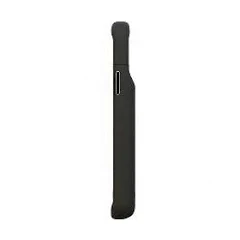
Mophie · Waterproof Phone Cases
Mophie Juice Pack Access Battery Case for iPhone 11 Pro
No known PFAS risk, but brand transparency on materials is limited.
Mophie does not disclose PFAS usage in this battery case. The primary materials (plastic, battery) are not inherently high-risk categories, but no certifications verify PFAS absence.
We flunk more products than we pass. This one earned its grade. How we grade
Material
Polymer plastic housing, internal lithium-ion battery
Brand disclosure
Brand is silent on PFAS
Lab data
No public lab test
You may also be interested in
Top-graded picks in the categories readers replace first, every one scored on the same rubric.

- polypropylene filter housing, carbon/sediment cartridge
- We found no PFAS statement from the brand
- Bacterial growth in spent cartridges
3 hazards checked on this product, all on its full breakdown.

Aquasure
Premier Series 75 GPD Under Sink Reverse Osmosis Water Filtration System
- RO membrane, carbon filters, stainless steel housing
- We found no PFAS statement from the brand
- Bacterial and microbial growth in housing and filters
4 hazards checked on this product, all on its full breakdown.

Avocado
Vegan Mattress
- organic cotton, natural latex, coconut coir, recycled steel coils
- The brand calls it PFAS-free, which we have not verified
- Heavy metals
2 hazards checked on this product, all on its full breakdown.
What Mophie Juice Pack Access Battery Case Pro is made of, ingredients and materials
The Mophie Juice Pack Access uses a polymer plastic housing (likely polycarbonate or ABS blend) around a lithium-ion rechargeable battery. Polymer housings in phone cases are chosen for durability and impact absorption but can degrade or crack over years of use, potentially exposing internal components. The lithium-ion cell is sealed and isolated from direct contact with skin or food, which significantly reduces chemical leaching risk compared to cookware or food-contact plastics.
What’s concerning
Category baseline
The starting point for this type of product, before anything specific to this product is counted.
No PFAS disclosure
No public statement from the brand about PFAS in this product.
Lithium-ion battery thermal runaway risk
Internal battery could theoretically overheat if damaged, punctured, or charged with defective circuitry. Risk is mitigated by UL 2054 compliance and is statistically very rare in consumer products. Normal use poses negligible risk.
Polymer housing degradation and microplastic shedding
Over years of use, the polymer exterior may crack, chip, or shed micro-fragments, particularly at corners and edges. Direct skin contact with shed microplastics is minimal, but cleaning the case regularly and avoiding damage reduces this risk.
Bacterial or fungal growth in case seams
Tight-fitting battery cases can trap moisture in crevices and seams, potentially supporting microbial colonies. Wipe the case and phone interior dry regularly, especially after water exposure, and allow air circulation when not in use.
What’s reassuring
Base material not linked to PFAS
The main material recorded for this product is not one associated with PFAS.
BPA & bisphenols
Polycarbonate and ABS housings may contain trace BPA depending on supplier and manufacturing date, but no documented recalls or testing failures for Mophie cases exist. Modern production typically minimizes BPA, and skin contact is indirect and limited.
Source, FDA ↗Contact dermatitis or allergic reaction to case material
Polymer housings are generally hypoallergenic, but individuals with extreme sensitivity to plastics or additives could theoretically react. No established cases linked to Mophie products; use a thin protective screen protector if concerned.
How is this PFAS grade calculated?
The brand's record and disclosure
Mophie (owned by ZAGG Inc., now part of GN Store Nord) does not publish detailed material safety data sheets or third-party certifications for its battery cases. The brand has maintained a low public controversy profile regarding chemical safety, with no major recalls tied to housing toxicity or battery defects in this product line. Transparency on manufacturing standards and material sourcing remains limited, though lithium-ion cells in consumer electronics are subject to UL 2054 safety testing.
How it compares in its category
Battery cases universally rely on polymer housings and lithium-ion cells, making chemical hazard profiles broadly similar across brands (Spigen, OtterBox, Anker). Mophie's main differentiation is design and user experience rather than material safety. The Juice Pack Access specifically avoids thick silicone or rubber coatings that could off-gas or harbor microbial growth, keeping chemical volatility lower than some bulkier competitors.
If you buy it
Keep the case in normal room temperature conditions (avoid direct heat sources, saunas, or sustained sunlight). Do not puncture, bend excessively, or expose the case to liquids beyond brief accidental splash. Charge using the provided or certified USB cable, and discontinue use if the battery swells visibly or the case becomes warm during normal charging (these are signs of internal failure). Replace the case if cracks develop that expose the battery or internal circuitry.
What is not known about PFAS in this product?
- Basis
- Model estimate, 65% confidence, not a lab result
- Lab test
- None on record for this exact product
- Brand statement
- Mophie has made none
Formulations change between production runs, so check the current label. How we grade.
What are the PFAS-free alternatives to Mophie Juice Pack Access Battery Case for iPhone 11 Pro?
- Flax fiber and plant-based resin blend, compostable
- A third party reports verifying it as PFAS-free
- Coating degradation and durability over time
2 hazards checked on this product, all on its full breakdown.
- plant-based bioplastic (flax and other plant fibers)
- A third party reports verifying it as PFAS-free
- Thermal degradation and warping
3 hazards checked on this product, all on its full breakdown.
- Plant-based bioplastic (compostable blend)
- A third party reports verifying it as PFAS-free
- Bioplastic degradation and microparticle shedding
More waterproof phone cases grades
How we score, every product runs through the same public 0-100 rubric based on materials, coatings, brand disclosure, lab findings, and recalls. See the full methodology → Spotted a mistake? Report an error.