Mountainsmith · Waterproof Outdoor Gear Storage Bags
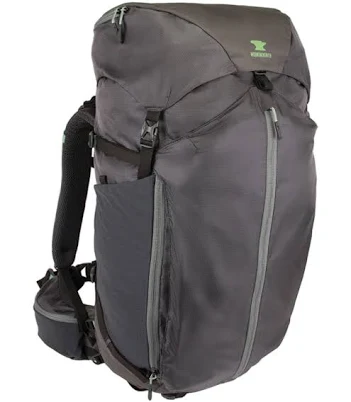
Mountainsmith Apex 80 Backpack
High-end backpack likely uses water-repellent coating treatment; PFAS risk unclear, no brand disclosure.
Mountainsmith doesn't publicly disclose PFAS in the Apex 80. Premium hiking packs typically use water-repellent coating coatings that may contain PFAS, but no lab data exists.
Still want this one anyway? Check the price on Amazon. We’d swap it.
Material
Nylon fabric with water-repellent coating
Brand disclosure
Brand is silent on PFAS
Lab data
No public lab test
What Mountainsmith Apex 80 Backpack is made of, ingredients and materials
The Apex 80 uses nylon fabric, a synthetic polymer derived from petroleum, treated with a water-repellent coating (water-repellent coating) coating to shed moisture. Nylon itself is chemically stable and does not leach under normal use conditions. The water-repellent coating finish is the material concern, many water-repellent coating treatments historically relied on PFOA or other fluorochemicals to function, though reformulated alternatives now exist. Without Mountainsmith's disclosure of their specific water-repellent coating chemistry, the true composition remains opaque.
What’s concerning
Category baseline
The starting point for this type of product, before anything specific to this product is counted.
No PFAS disclosure
No public statement from the brand about PFAS in this product.
Waterproof / stain-resistant treatment
Water-repellent coating treatments have historically used PFAS.
PFAS
Mountainsmith does not disclose water-repellent coating chemistry. Nylon water-repellent coating coatings commonly use fluorinated compounds; reformulated non-fluorine options are commercially available but not confirmed in this product.
Source, ATSDR ↗Microfiber shedding during washing
Nylon fabric sheds microfibers when washed, especially with synthetic water-repellent coating coatings. This is a general concern for all synthetic textiles; use a wash bag or rinse cycle filter to reduce environmental discharge.
What’s reassuring
Azo dyes in nylon or trim
No recalls or reports of azo dye contamination in Mountainsmith packs. Nylon fabric typically dyed with regulated colorants, but third-party testing is not publicly available.
Formaldehyde / VOCs
Nylon itself does not require formaldehyde-based finishes; no evidence of these substances in outdoor nylon packs of this type.
Source, ATSDR ↗Heavy metals
Zippers and grommets on outdoor packs may contain trace metals, but mainstream brands typically use zinc or aluminum alloys that meet consumer safety limits. No specific safety alerts on record for Mountainsmith hardware.
Source, FDA ↗The full breakdown
The brand's record and disclosure
Mountainsmith has not published a public statement on PFAS use, chemical transparency, or third-party certifications (such as OEKO-TEX or bluesign) in their product line. The company does not appear in major chemical disclosure databases or sustainability reports. This silence does not confirm PFAS use, but it signals a lack of proactive transparency typical of outdoor brands facing consumer scrutiny on fluorochemical content.
How it compares in its category
Mid-to-high-end nylon backpacks occupy a crowded market; many competitors (e.g., Osprey, Patagonia, Gregory) now specify fluorine-free or low-impact water-repellent coating systems in their product descriptions. Mountainsmith's Apex line does not; this gap places it behind category leaders on chemical disclosure, though the absence of a statement does not guarantee conventional PFAS treatment. Price point and durability are competitive; chemical transparency is not.
If you buy it
Wash the pack in cool water with mild soap; avoid dry cleaning, which can concentrate residues. Store in a dry location to minimize mold growth and the need for re-treatment. Nylon is durable but will degrade slowly over years of UV exposure and heavy abrasion; replacement is typically warranted after 5-10 years of heavy use. If water repellency fades, commercial nylon water-repellent coating refresh kits are available; test on a hidden seam first to avoid stiffening.
What we don’t know
- Basis
- Model estimate, 45% confidence, not a lab result
- Lab test
- None on record for this exact product
- Brand statement
- Mountainsmith has made none
Formulations change between production runs, so check the current label. How we grade.
Better-graded alternatives in Waterproof Outdoor Gear Storage Bags
REI Co-op
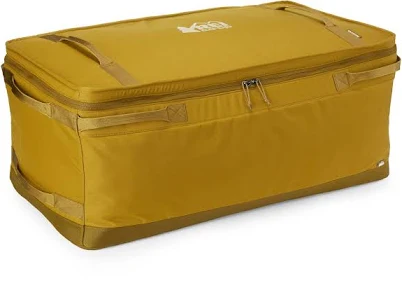
Trailgate Gear Bin Green 140 L
- Polypropylene storage bin, no water-resistant coating mentioned
- UV degradation and additive leaching
3 hazards checked on this product. See all of them.
Marmot
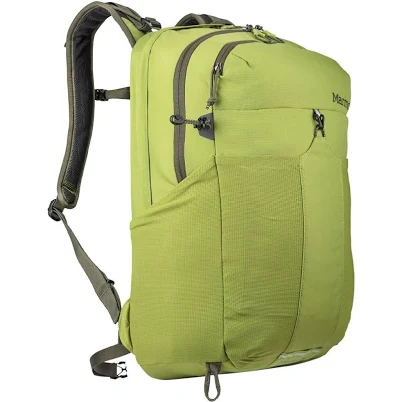
Tool Box
- Nylon, polyester, cotton blend; details unspecified
- Volatile organic compounds (VOCs) from polyester and nylon manufacturing
5 hazards checked on this product. See all of them.
Patagonia
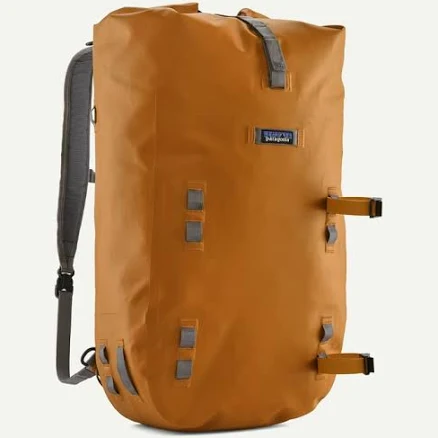
Disperser Roll Top Pack 40L
- Recycled polyester with water-repellent coating (water-repellent coating) finish
- The brand calls it PFAS-free, which we have not verified
- PFAS
4 hazards checked on this product. See all of them.
More waterproof outdoor gear storage bags grades
How we score, every product runs through the same public 0-100 rubric based on materials, coatings, brand disclosure, lab findings, and recalls. See the full methodology → Spotted a mistake? Report an error.