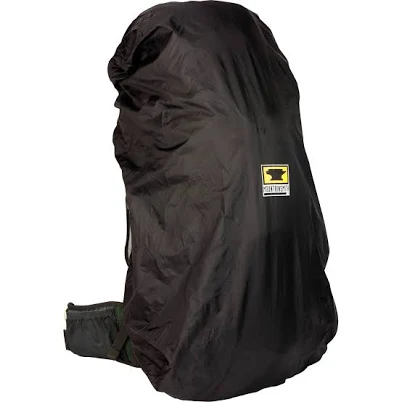
Mountainsmith · Waterproof Outdoor Gear Storage Bags
Mountainsmith Backpack Rain Cover
Waterproof coating type unknown. Skip unless Mountainsmith discloses.
Rain covers require water-repellent treatment, typically water-repellent coating-coated. Mountainsmith doesn't disclose coating chemistry or PFAS status, raising uncertainty for this functional product.
Still want this one anyway? Check the price on Amazon. We’d swap it.
Material
synthetic fabric with water-repellent coating water-repellent coating, composition unspecified
Brand disclosure
Brand is silent on PFAS
Lab data
No public lab test
What Mountainsmith Backpack Rain Cover is made of, ingredients and materials
Mountainsmith rain covers are synthetic fabric (typically polyester or nylon) with a water-repellent coating (water-repellent coating) finish. The water-repellent coating is the critical component, historically, many outdoor brands used PFAS-based water repellents, though some have switched to non-PFAS alternatives. Without Mountainsmith's explicit disclosure of the coating chemistry, the specific hazard profile cannot be determined. The base synthetic fabric itself poses minimal leaching risk since rain covers are not ingested and contact is external and brief.
What’s concerning
Category baseline
The starting point for this type of product, before anything specific to this product is counted.
No PFAS disclosure
No public statement from the brand about PFAS in this product.
Waterproof / stain-resistant treatment
Water-repellent coating treatments have historically used PFAS.
water-repellent coating degradation and particle shedding
Rain covers experience mechanical wear and UV exposure over time; as the water-repellent coating breaks down, particles may shed into stored gear, water, or food. If the coating contains PFAS or other fluorinated compounds, shedding poses indirect ingestion risk.
Volatile organic compounds (VOCs) from coating off-gassing
Water-repellent coating coatings can off-gas during storage and initial use, particularly in warm conditions. The type and volume of VOCs depend on coating chemistry; this is unquantified for Mountainsmith products.
What’s reassuring
Formaldehyde / VOCs
Mountainsmith rain covers have no documented formaldehyde-resin treatment. Synthetic base fabrics (polyester, nylon) do not typically require formaldehyde dyes or finishes for rain covers, so this is not a established concern for this product class.
Source, ATSDR ↗Azo dyes in colored synthetic fabrics
Mountainsmith does not publicly disclose dye chemistry for rain covers. Azo dye use in outdoor gear is not documented as a widespread problem, and external brief-contact use poses minimal absorption risk compared to apparel worn directly on skin.
Antimony in polyester material
Polyester rain covers may theoretically contain antimony as a catalyst residue, but external contact is minimal and no known issues have been reported for this product or brand.
The full breakdown
The brand's record and disclosure
Mountainsmith has not published transparent information about water-repellent coating chemistry or PFAS avoidance commitments in publicly available materials. The brand does not appear to have faced major recalls or regulatory actions related to water-repellent coatings. This silence is notable given that many competitors (Patagonia, Arc'teryx, even some budget brands) have begun disclosing non-PFAS or PFAS-free coating commitments. Without documentation, it is unclear whether this product uses legacy PFAS chemistry or newer alternatives.
How it compares in its category
Rain covers are a low-hazard category compared to items like cookware or cosmetics because they are worn externally and not ingested or applied to skin. However, they are often stored in damp conditions and transported with food or gear, creating indirect contamination risk if PFAS or other coating particles shed into water or foodstuffs. Premium outdoor brands increasingly market PFAS-free water-repellent coating; Mountainsmith's lack of such marketing suggests either reliance on traditional chemistry or indifference to consumer transparency. Price-point alternatives from major retailers offer comparable rain-cover function without clarity on coatings either, so this product is not uniquely positioned.
If you buy it
Store the rain cover dry and in open air to minimize off-gassing of any coating residues. Do not wash it with hot water or harsh detergents, as these can degrade the water-repellent coating layer and potentially mobilize coating chemicals. Rinse gently with cool water if needed; allow air-dry only. Replace the cover if the water-repellent finish visibly breaks down (beading stops, water soaks through), as an aging coating may shed particles. Before purchase, contact Mountainsmith directly to confirm water-repellent coating type; if they decline to answer, treat the PFAS risk as unmitigated.
What we don’t know
- Basis
- Model estimate, 35% confidence, not a lab result
- Lab test
- None on record for this exact product
- Brand statement
- Mountainsmith has made none
Formulations change between production runs, so check the current label. How we grade.
Better-graded alternatives in Waterproof Outdoor Gear Storage Bags
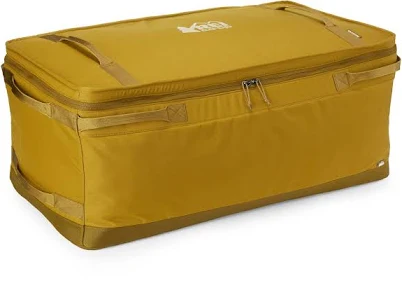
REI Co-op
Trailgate Gear Bin Green 140 L
- Polypropylene storage bin, no water-resistant coating mentioned
- UV degradation and additive leaching
3 hazards checked on this product. See all of them.
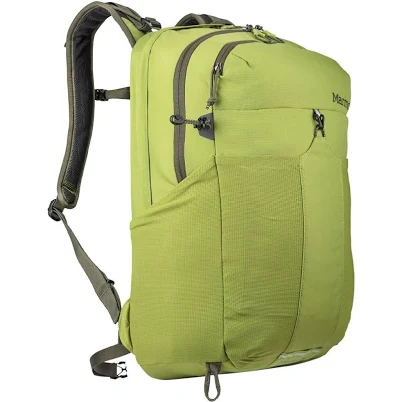
Marmot
Tool Box
- Nylon, polyester, cotton blend; details unspecified
- Volatile organic compounds (VOCs) from polyester and nylon manufacturing
5 hazards checked on this product. See all of them.
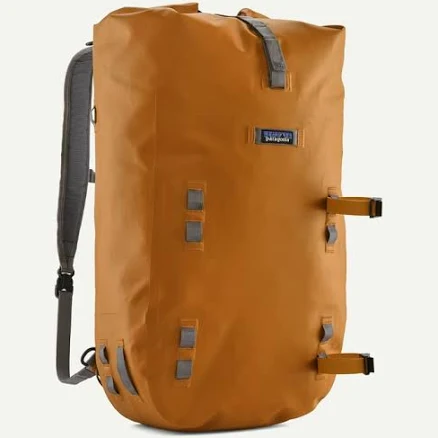
Patagonia
Disperser Roll Top Pack 40L
- Recycled polyester with water-repellent coating (water-repellent coating) finish
- The brand calls it PFAS-free, which we have not verified
- PFAS
4 hazards checked on this product. See all of them.
More waterproof outdoor gear storage bags grades
How we score, every product runs through the same public 0-100 rubric based on materials, coatings, brand disclosure, lab findings, and recalls. See the full methodology → Spotted a mistake? Report an error.