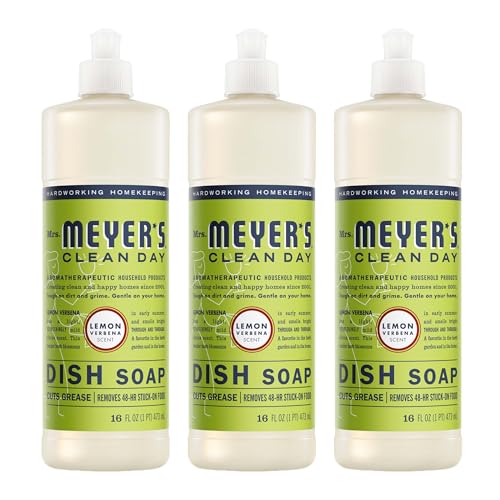
Mrs. Meyer's Clean Day · Dish Soap
Mrs. Meyer's Clean Day Lemon Verbena Dish Soap
Liquid soap, low PFAS concern. MADE SAFE verified.
Mrs. Meyer's Clean Day dish soap is plant-derived and MADE SAFE certified, which verifies absence of PFOA and other harmful chemicals. Liquid soaps rarely contain PFAS; this product carries third-party verification.
Brand says: “Made without PFOA. MADE SAFE certified.”
We flunk more products than we pass. This one earned its grade. How we grade
Material
water, plant-derived surfactants, essential oil
Brand disclosure
Brand claims PFAS-free
Lab data
No public lab test
You may also be interested in
Top-graded picks in the categories readers replace first, every one scored on the same rubric.

- polypropylene filter housing, carbon/sediment cartridge
- We found no PFAS statement from the brand
- Bacterial growth in spent cartridges
3 hazards checked on this product, all on its full breakdown.

Aquasure
Premier Series 75 GPD Under Sink Reverse Osmosis Water Filtration System
- RO membrane, carbon filters, stainless steel housing
- We found no PFAS statement from the brand
- Bacterial and microbial growth in housing and filters
4 hazards checked on this product, all on its full breakdown.

Avocado
Vegan Mattress
- organic cotton, natural latex, coconut coir, recycled steel coils
- The brand calls it PFAS-free, which we have not verified
- Heavy metals
2 hazards checked on this product, all on its full breakdown.
What Mrs. Meyer's Clean Day Lemon Dish Soap is made of, ingredients and materials
Mrs. Meyer's Clean Day Lemon Verbena uses plant-derived surfactants (typically sodium lauryl sulfate or similar botanical alternatives) suspended in water, plus lemon verbena essential oil for fragrance and mild antimicrobial properties. Plant-derived surfactants are generally lower concern than synthetic petroleum-based alternatives because they biodegrade more readily and have a smaller chemical residue footprint. Essential oils like lemon verbena are volatile compounds that evaporate rather than accumulate, though some individuals may experience skin sensitivity to fragrance allergens at concentration.
What’s concerning
Category baseline
The starting point for this type of product, before anything specific to this product is counted.
Fragrance allergens (lemon verbena essential oil)
Essential oils can trigger contact dermatitis or sensitization in individuals with fragrance sensitivity or eczema. Concentration and exposure duration determine clinical risk; rinsing after use minimizes skin contact.
Eye and mucous membrane irritation from surfactants
Plant-derived surfactants at soap concentration can irritate eyes or mouth if direct contact occurs. This is a known property of all dish soaps and is not specific to this product; rinsing with water resolves irritation.
Dermal irritation from repeated contact without rinsing
Surfactants strip skin oils; prolonged or repeated contact without gloves may cause dryness or irritation in susceptible individuals. Use gloves for extended dishwashing to reduce this risk.
Aquatic toxicity from surfactant residues
All surfactants, including plant-derived, can affect aquatic ecosystems at scale. Mrs. Meyer's formulation is biodegradable, reducing environmental persistence compared to synthetic alternatives, but wastewater treatment remains the primary control mechanism.
What’s reassuring
Base material not linked to PFAS
The main material recorded for this product is not one associated with PFAS.
Third-party PFAS-free verification
A third party reports verifying this product as PFAS-free.
Heavy metals
No recalls, testing failures, or contamination reports are on record for Mrs. Meyer's dish soap. MADE SAFE certification screens for lead, cadmium, and other inorganics.
Source, FDA ↗How is this PFAS grade calculated?
The brand's record and disclosure
Mrs. Meyer's Clean Day is owned by S.C. Johnson and carries MADE SAFE certification, which verifies absence of chemicals linked to cancer, reproductive harm, and developmental toxicity. The brand explicitly avoids phthalates, parabens, and animal-derived ingredients. No major recalls or safety controversies are on record for this product line. Ingredient disclosure is transparent on packaging and the company website.
How it compares in its category
Most conventional dish soaps contain synthetic surfactants and preservatives that carry higher concern for skin irritation and aquatic toxicity. Mrs. Meyer's positions as an eco-conscious alternative with plant-derived actives and biodegradable formulation, which aligns with lower environmental and toxicological burden compared to petroleum-based brands. Third-party certification (MADE SAFE) is uncommon in the dish soap category and represents stronger assurance than marketing claims alone.
If you buy it
Use as directed on packaging; dilute with water if skin sensitivity occurs. Store in a cool, dry place away from extreme heat, though this is a liquid product with no heat-degradation risk to the user. Do not ingest; keep away from children's unsupervised reach. No special maintenance required beyond ensuring the bottle cap seals properly to prevent evaporation of volatile essential oil components.
What is not known about PFAS in this product?
- Basis
- Model estimate, 88% confidence, not a lab result
- Lab test
- None on record for this exact product
- Brand statement
- Mrs. Meyer's Clean Day has made a specific claim
Formulations change between production runs, so check the current label. How we grade.
More dish soap grades
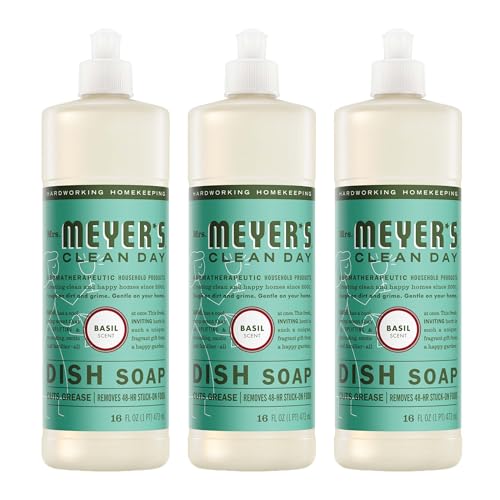 100Mrs. Meyer's Clean Day Basil Dish Soap
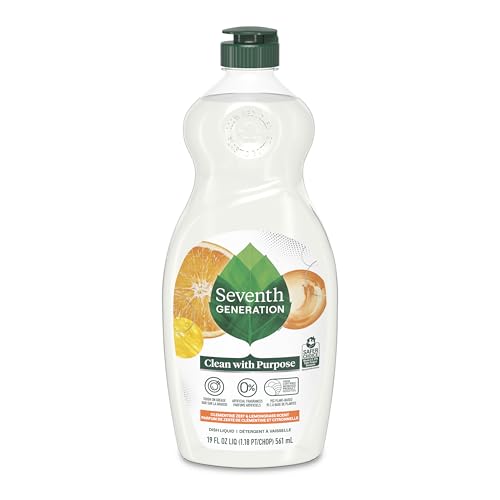 100Seventh Generation Dish Soap - Clementine Zest & Lemongrass
 100Seventh Generation Dish Soap - Fresh Lime & Ginger
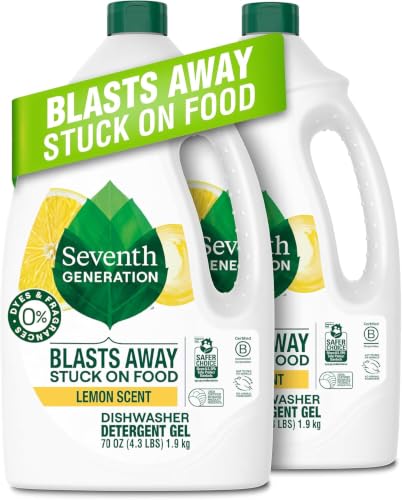 100Seventh Generation Dish Soap - Lemon
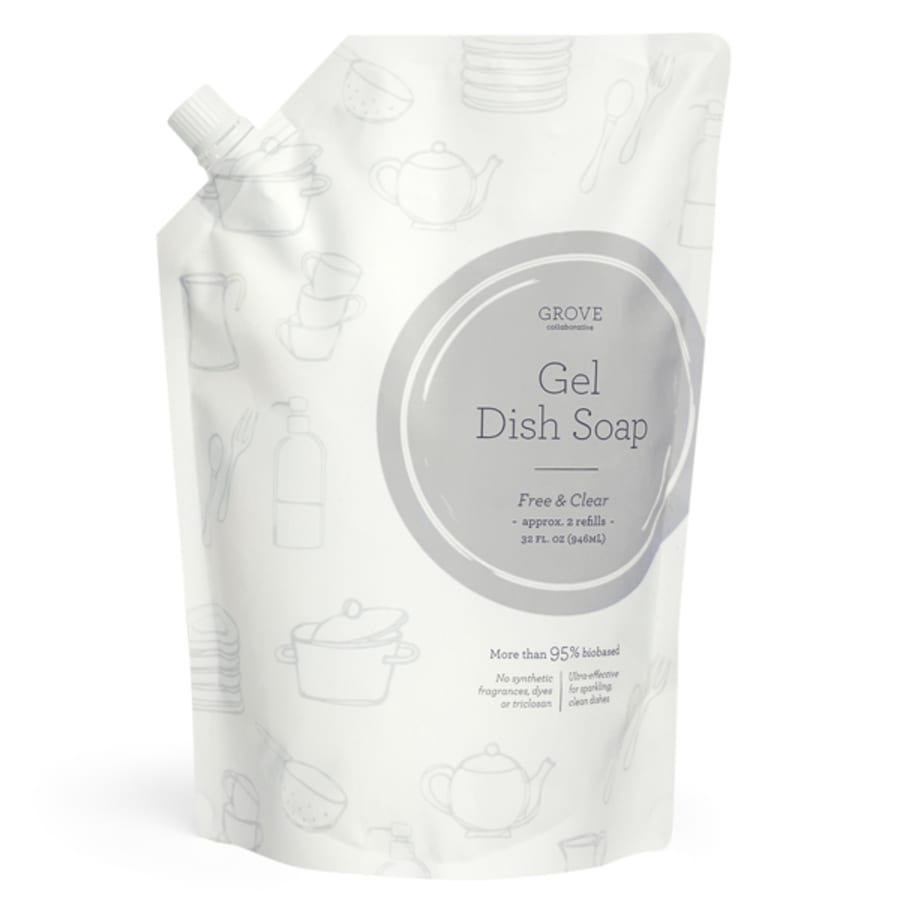 100Dish Soap
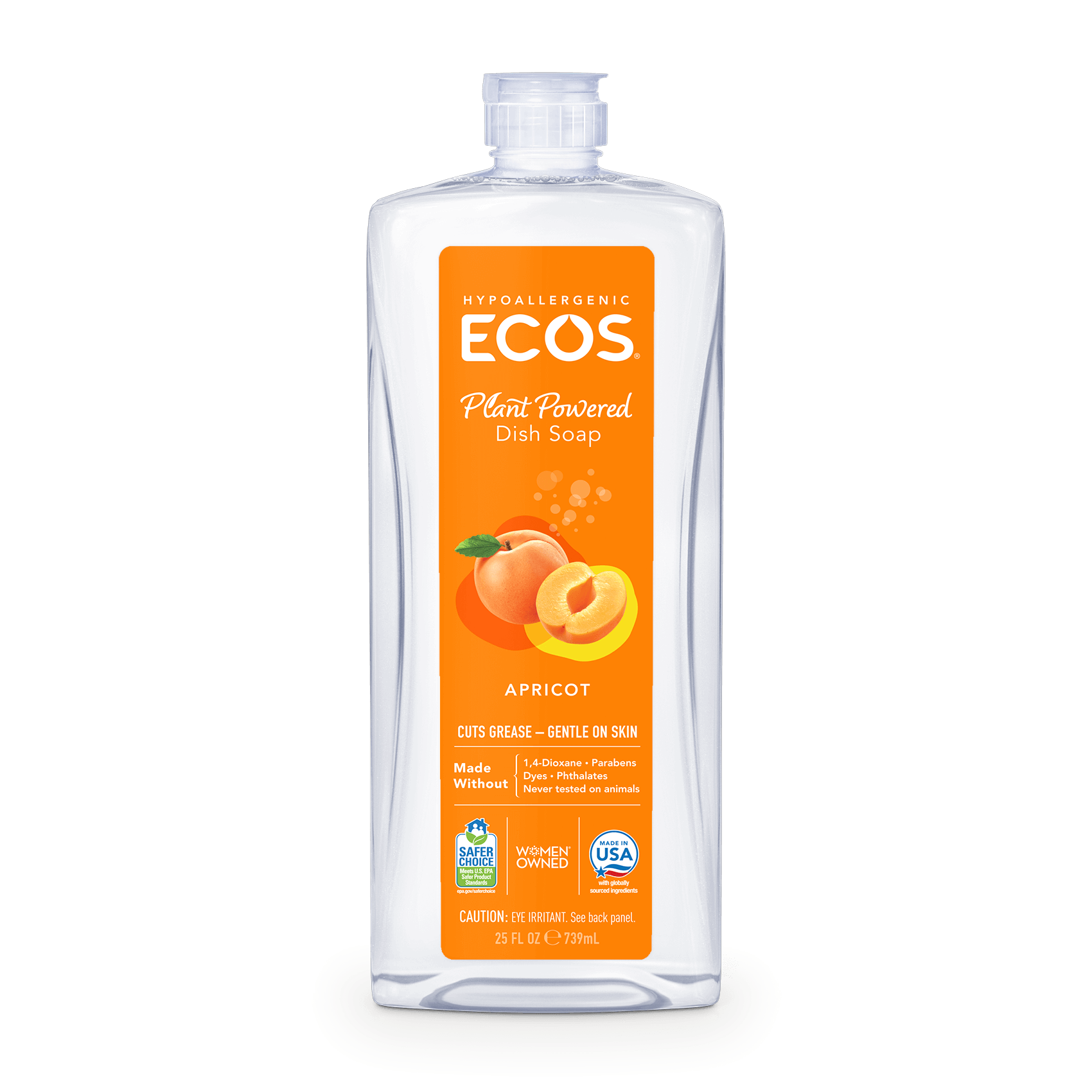 100ECOS Dish Soap – Apricot
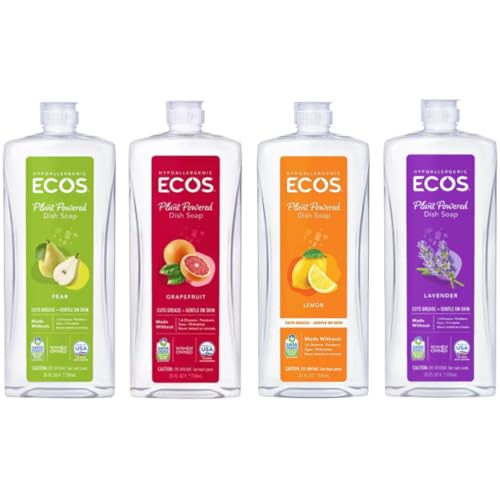 100ECOS Dish Soap – Free & Clear
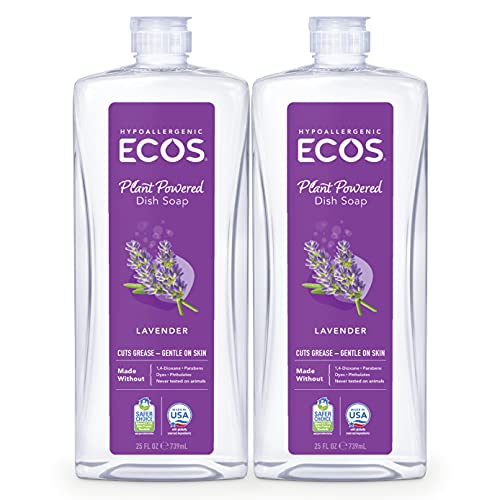 100ECOS Dish Soap – Lavender
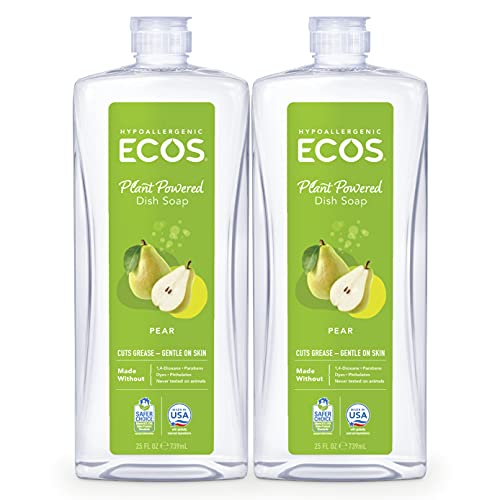 100ECOS Dish Soap – Pear
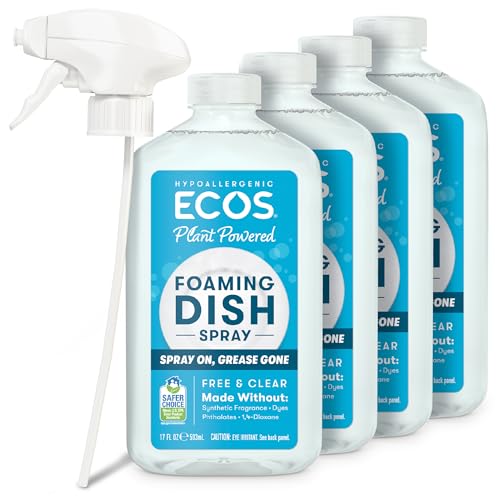 100ECOS Foaming Dish Soap – Free & ClearCompare vs Ecos →All dish soap →
How we score, every product runs through the same public 0-100 rubric based on materials, coatings, brand disclosure, lab findings, and recalls. See the full methodology → Spotted a mistake? Report an error.