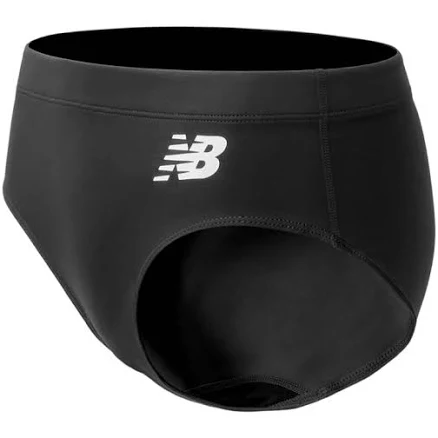
New Balance · Sports Performance Undergarments
New Balance Women's Athletics Brief 2.0
No waterproofing or stain treatment typical.
This nylon and elastane athletic brief has no noted water-resistant or stain-guard finishes. New Balance has not disclosed PFAS treatment or testing details.
Still want this one anyway? Check the price on Amazon. We’d swap it.
Material
nylon and elastane blend
Brand disclosure
Brand is silent on PFAS
Lab data
No public lab test
What New Balance Women's Athletics Brief 2.0 is made of, ingredients and materials
This brief is a nylon and elastane (spandex) blend, the industry standard for moisture-wicking athletic underwear. Nylon is a synthetic polyamide polymer that does not leach harmful chemicals under normal wearing conditions. Elastane provides stretch and recovery without known endocrine-disrupting additives in this product class. The blend itself presents no established chemical hazard profile typical of performance fabrics.
What’s concerning
Category baseline
The starting point for this type of product, before anything specific to this product is counted.
No PFAS disclosure
No public statement from the brand about PFAS in this product.
Azo dyes (carcinogenic dye intermediates)
Azo dyes are restricted in EU/OEKO-TEX but not banned globally. New Balance does not certify this brief to azo-free standards; however, color-fast nylon briefs in this price range typically use compliant modern dyes. Risk is theoretical rather than documented.
Residual manufacturing chemicals or finishes
New Balance briefs may retain trace lubricants, antistatic agents, or dye auxiliaries from manufacturing. Pre-wash removes most residues; no specific chemical contaminants have been reported for this product line.
Elastane degradation and microplastic shedding
All elastane garments shed microfibers over repeated washing. This is not unique to New Balance but inherent to synthetic stretch fabrics. Fiber release increases with heat and mechanical washing; gentle care and line drying minimize shedding.
What’s reassuring
Base material not linked to PFAS
The main material recorded for this product is not one associated with PFAS.
Formaldehyde / VOCs
No formaldehyde-based shrink control or dye fixation has been reported in New Balance athletic briefs. Standard nylon dyeing does not require formaldehyde releasers for color fastness.
Source, ATSDR ↗Antimony in polyester components
This product is nylon and elastane, not polyester. Antimony is not a concern for this material blend.
The full breakdown
The brand's record and disclosure
New Balance does not publicly disclose detailed chemical content or sustainability certifications for basic apparel lines like this brief. The brand has no documented recalls or chemical safety controversies tied to underwear or hosiery products. However, their silence on chemical disclosure is typical for mid-market athletic brands and does not indicate a known safety issue; transparency simply varies by product line.
How it compares in its category
Nylon-elastane briefs are the baseline material choice across major athletic brands (Nike, Adidas, Under Armour). This New Balance product carries no documented chemical risk higher or lower than direct competitors. Organic cotton or GOTS-certified alternatives would eliminate synthetic chemical residues but are less common and more expensive in this category.
If you buy it
Wash before first wear to remove any manufacturing residues or finishes. Use warm water, mild detergent, and avoid chlorine bleach, which can degrade elastane. Air dry; tumble dryers accelerate elastane degradation and are unnecessary. Replace when elastic waistband loses grip or seams separate, typically after 50 to 100 wash cycles depending on frequency of use.
What we don’t know
- Basis
- Model estimate, 72% confidence, not a lab result
- Lab test
- None on record for this exact product
- Brand statement
- New Balance has made none
Formulations change between production runs, so check the current label. How we grade.
More sports performance undergarments grades
How we score, every product runs through the same public 0-100 rubric based on materials, coatings, brand disclosure, lab findings, and recalls. See the full methodology → Spotted a mistake? Report an error.