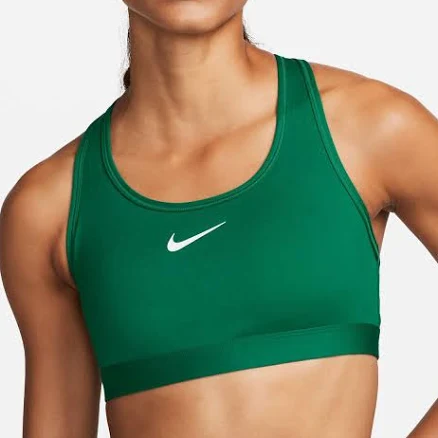
Nike Women's Dri-FIT Padded Sports Bra
Avoid until Nike reveals water-repellent coating chemistry, Dri-FIT's water-repellent finish often relies on PFAS.
Nike's Dri-FIT moisture-wicking treatment is commonly applied to athletic apparel but the brand doesn't publicly disclose whether it contains PFAS-based durable water repellents. No third-party certification backs this product.
Still want this one anyway? Check the price on Amazon. We’d swap it.
Material
nylon/polyester blend with Dri-FIT moisture-wicking treatment
Lab data
No public lab test
You may also be interested in
Top-graded picks in the categories readers replace first, every one scored on the same rubric.

- polypropylene filter housing, carbon/sediment cartridge
- We found no PFAS statement from the brand
- Bacterial growth in spent cartridges
3 hazards checked on this product, all on its full breakdown.

Aquasure
Premier Series 75 GPD Under Sink Reverse Osmosis Water Filtration System
- RO membrane, carbon filters, stainless steel housing
- We found no PFAS statement from the brand
- Bacterial and microbial growth in housing and filters
4 hazards checked on this product, all on its full breakdown.

Avocado
Vegan Mattress
- organic cotton, natural latex, coconut coir, recycled steel coils
- The brand calls it PFAS-free, which we have not verified
- Heavy metals
2 hazards checked on this product, all on its full breakdown.
What Nike Women's Dri-FIT Padded Sports Bra is made of, ingredients and materials
This bra uses a nylon/polyester blend with Nike's proprietary Dri-FIT moisture-wicking treatment applied to the fabric surface. Dri-FIT works by altering fabric surface tension to move sweat away from skin, which typically requires a water-repellent coating (water-repellent coating) finish. Nike has not publicly disclosed whether their Dri-FIT formulations use PFAS-based or PFAS-free water-repellent coating chemistry, leaving the water-repellent component's composition opaque to consumers.
What’s concerning
Category baseline
The starting point for this type of product, before anything specific to this product is counted.
No PFAS disclosure
No public statement from the brand about PFAS in this product.
Waterproof / stain-resistant treatment
Water-repellent coating treatments have historically used PFAS.
Heavy metals
Polyester/nylon blends in black or dark colors may use azo dyes or pigments; Nike products generally meet EU/US dye safety standards, but full ingredient disclosure for this specific bra color is not publicly available.
Source, FDA ↗Antimony in polyester
Antimony trioxide is a common catalyst in polyester production used in this bra's polyester component. Residual antimony levels in finished fabric are typically low and migrate minimally, but the presence of this heavy metal catalyst is not routinely disclosed by Nike.
Microplastic shedding during wash
Synthetic blends like nylon/polyester shed microfibers with each wash cycle. This bra will contribute to microplastic water pollution over its lifetime; washing in a microfiber-catching bag (Guppyfriend, Cora Ball) reduces but does not eliminate shedding.
PFAS
Moisture-wicking finishes applied to athletic apparel commonly rely on PFAS-based water-repellent coating chemistries like C8 or newer short-chain variants. Nike's refusal to disclose Dri-FIT chemistry and the prevalence of PFAS in competing moisture-wicking products make PFAS presence probable, though not confirmed for this specific product.
Source, ATSDR ↗What’s reassuring
Formaldehyde / VOCs
No documented formaldehyde-resin finishes reported in Nike Dri-FIT technology. Moisture-wicking treatments do not typically require formaldehyde cross-linkers, though finish durability chemistry remains undisclosed.
Source, ATSDR ↗How is this PFAS grade calculated?
The brand's record and disclosure
Nike has not issued specific transparency statements about PFAS in Dri-FIT or other apparel finishes as of recent public records. The brand has faced scrutiny over textile chemical disclosures generally but has not committed to comprehensive PFAS phase-out timelines like some competing sportswear makers. No major recalls specific to this bra model are on record for chemical contamination. This silence contrasts with competitors like Patagonia and Allbirds, which have publicly committed to reducing PFAS in their manufacturing or disclosed reduced PFAS use in their processes.
How it compares in its category
Sports bras with synthetic moisture-wicking treatments occupy a middle ground, they perform better at sweat management than untreated cotton alternatives but carry uncertainty around finish chemistry. Brands like Alo Yoga and Lululemon have begun disclosing water-repellent coating ingredients; mainstream Nike products remain non-specific. Standard polyester/nylon bras without added water-repellent finishes avoid this particular unknown but sacrifice quick-dry performance. This bra's feature set and price point are typical for the athletic category, not a category outlier.
If you buy it
Wash in cool water and avoid high heat dryers, which can degrade synthetic fibers and potentially alter finish durability over time. Replace the bra when elastic loses tension or support (typically 12-24 months of regular use); degraded elastic and fabric breakdown are the primary end-of-life concerns. Do not bleach or use fabric softeners, which can interfere with moisture-wicking performance. Store in a dry place to prevent mold or mildew growth on the synthetic blend, which traps moisture.
What is not known about PFAS in this product?
- Basis
- Model estimate, 42% confidence, not a lab result
- Lab test
- None on record for this exact product
- Brand statement
- Nike has made a specific claim
Formulations change between production runs, so check the current label. How we grade.
What are the PFAS-free alternatives to Nike Women's Dri-FIT Padded Sports Bra?
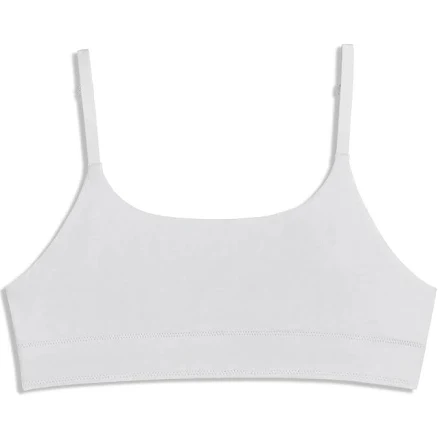
- Organic cotton blend with TENCEL lyocell
- We found no PFAS statement from the brand
- Elastane (spandex) degradation and leaching under heat
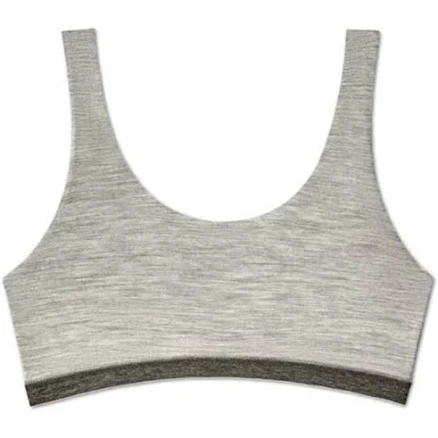
- Merino wool, recycled materials (Allbirds typical blend)
- We found no PFAS statement from the brand
- Heavy metals
3 hazards checked on this product, all on its full breakdown.
Find an alternative on Amazon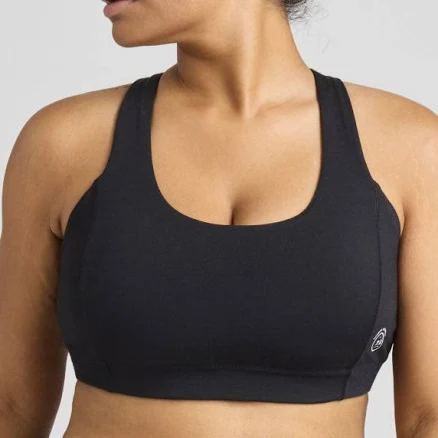
- organic cotton blend, no water-repellent coating disclosed
- We found no PFAS statement from the brand
- Heavy metals
2 hazards checked on this product, all on its full breakdown.
Find an alternative on AmazonMore sports bras grades
How we score, every product runs through the same public 0-100 rubric based on materials, coatings, brand disclosure, lab findings, and recalls. See the full methodology → Spotted a mistake? Report an error.