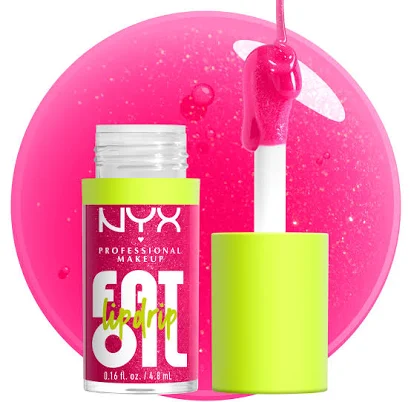
NYX Professional Makeup · Lip Gloss
NYX PROFESSIONAL MAKEUP Fat Oil Lip Drip
Lower-concern cosmetic; lip oils rarely require PFAS, but NYX offers no PFAS transparency.
Cosmetic lip oil with no known waterproofing, stain resistance, or non-stick coatings typical of PFAS use. The brand makes no PFAS claims and provides no ingredient-level transparency.
We flunk more products than we pass. This one earned its grade. How we grade
Material
Emollient lip oil blend (likely silicone, plant oils, vitamin E)
Brand disclosure
Brand is silent on PFAS
Lab data
No public lab test
You may also be interested in
Top-graded picks in the categories readers replace first, every one scored on the same rubric.

- polypropylene filter housing, carbon/sediment cartridge
- We found no PFAS statement from the brand
- Bacterial growth in spent cartridges
3 hazards checked on this product, all on its full breakdown.

Aquasure
Premier Series 75 GPD Under Sink Reverse Osmosis Water Filtration System
- RO membrane, carbon filters, stainless steel housing
- We found no PFAS statement from the brand
- Bacterial and microbial growth in housing and filters
4 hazards checked on this product, all on its full breakdown.

Avocado
Vegan Mattress
- organic cotton, natural latex, coconut coir, recycled steel coils
- The brand calls it PFAS-free, which we have not verified
- Heavy metals
2 hazards checked on this product, all on its full breakdown.
What NYX PROFESSIONAL MAKEUP Fat Oil Lip Drip is made of, ingredients and materials
Fat Oil Lip Drip is formulated as an emollient blend, likely combining silicone (dimethicone or similar), plant-derived oils, and vitamin E. This material class avoids the polymer coatings and reactive chemistries that trigger heavy metal or volatile organic compound concerns in other cosmetics. Lip oils sit on the surface rather than absorbing systemically, which reduces the already-low exposure window for any minor impurities. The silicone-oil base is inherently stable and unlikely to degrade into secondary hazards under normal storage.
What’s concerning
Category baseline
The starting point for this type of product, before anything specific to this product is counted.
No PFAS disclosure
No public statement from the brand about PFAS in this product.
Fragrance allergens and undisclosed sensitizers
NYX Fat Oil Lip Drip marketing emphasizes scent ('drip' variants often include flavor oils or fragrance compounds) but ingredient lists group fragrances as a single term, masking individual allergenic components like limonene or linalool. Lip contact increases sensitization risk compared to other cosmetics.
Oxidative degradation of plant oils and vitamin E
The plant oil base (likely jojoba, argan, or coconut oil blends) can oxidize into peroxides and aldehydes if stored in sunlight or at elevated temperatures. Oxidized oils are mildly irritating to sensitive lip tissue but not toxic. Proper storage largely mitigates this.
1,4-dioxane contamination from emulsifiers
Some silicone-based emulsifiers used in oil-in-water systems can contain trace 1,4-dioxane as a manufacturing byproduct. NYX does not publish supplier vetting or distillation protocols. This is a concern across mainstream cosmetics but not specific to this brand.
What’s reassuring
Base material not linked to PFAS
The main material recorded for this product is not one associated with PFAS.
Heavy metals
No recalls or public testing confirm heavy metal presence in NYX lip oils. Standard FDA oversight of colorant suppliers (CI numbers) reduces this risk significantly compared to unregulated cosmetic brands. Unpigmented or naturally tinted variants avoid synthetic dye concerns entirely.
Source, FDA ↗Microplastic or silicone polymer persistence
Silicone oils are not microplastics and do not break down into particulates; they rinse off with water. No evidence suggests silicone lip oils accumulate in tissues or harm aquatic environments at consumer-use levels, though dimethicone persistence in wastewater is an environmental consideration outside direct safety scope.
How is this PFAS grade calculated?
The brand's record and disclosure
NYX Professional Makeup is owned by L'Oreal and operates under parent-company compliance frameworks that generally meet FDA and EU cosmetic regulations. However, NYX does not publish ingredient-level heavy metal testing, formaldehyde-releaser screening, or PFAS commitment statements on its website or packaging. The brand has no publicized recalls for Fat Oil Lip Drip. This silence on PFAS and trace contaminants reflects industry-wide reluctance rather than known negligence, but it means consumers cannot verify supplier rigor.
How it compares in its category
Lip oils as a category carry lower contamination risk than cream lipsticks or long-wear formulas, which require film-forming polymers and stabilizers. NYX Fat Oil Lip Drip sits in the mainstream cosmetic tier, more transparent than luxury indie brands, less rigorous than certified organic or medical-grade lip products. Competitors like Maybelline (also L'Oreal) and drugstore silicone-oil alternatives offer similar hazard profiles without differentiation. Specialty brands (MAC Fix+, Fenty Beauty) operate under identical regulatory oversight.
If you buy it
Store the product in a cool, dry place and keep the cap sealed to prevent oxidation of the plant oil fraction, which can increase irritation over time. Lip oils have indefinite shelf life if unopened; discard after 12 months of use or if the oil develops a rancid smell. Apply sparingly to avoid ingestion and avoid contact with eyes. If you have sensitive lips or a history of cosmetic reactions, test on a small area first, as fragrance additives (often undisclosed in 'natural' lip oils) are a common irritant.
What is not known about PFAS in this product?
- Basis
- Model estimate, 72% confidence, not a lab result
- Lab test
- None on record for this exact product
- Brand statement
- NYX Professional Makeup has made none
Formulations change between production runs, so check the current label. How we grade.
What are the PFAS-free alternatives to NYX PROFESSIONAL MAKEUP Fat Oil Lip Drip?
- Jelly base, pigments, oils
- We found no PFAS statement from the brand
- Fragrance allergens and irritants
2 hazards checked on this product, all on its full breakdown.
- Lip gloss with natural waxes and oils
- We found no PFAS statement from the brand
- Oil oxidation and rancidity on prolonged storage
2 hazards checked on this product, all on its full breakdown.
More lip gloss grades
How we score, every product runs through the same public 0-100 rubric based on materials, coatings, brand disclosure, lab findings, and recalls. See the full methodology → Spotted a mistake? Report an error.