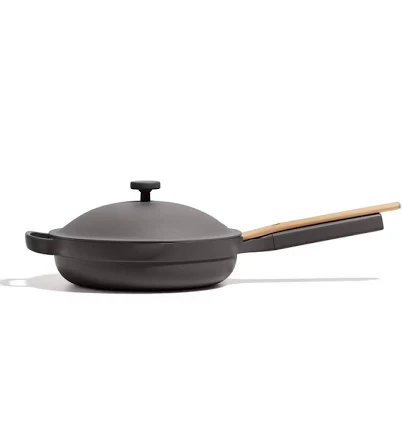
Our Place Always Pan 2.0 Nonstick
A non-stick coating of unstated type, with a brand PFAS statement we have not verified.
Our Place says its ceramic non-stick coating is made without PFAS, including Teflon-type coating and PFOA. We record that as an unverified brand claim. Its record describes a non-stick coating of unstated type, which is still counted.
Brand says: “Our Place says its ceramic non-stick coating is made without PFAS, including PTFE and PFOA.”
The better-graded swap
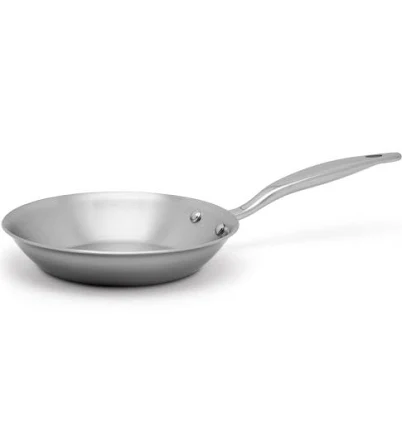
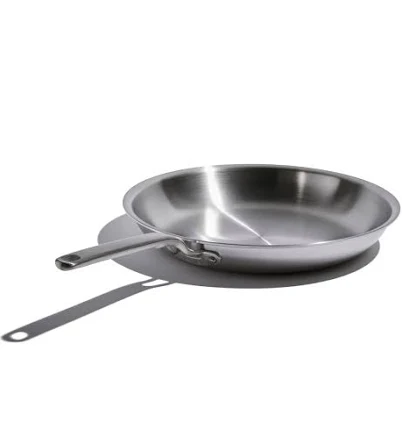
Heritage Steel
Heritage Steel Fry Pan 8.5"
100/100 safety
Same rubric that flunked this product. The swap earned Excellent.
Still want this one anyway? Check the price on Amazon. We’d swap it.
Material
Proprietary nonstick coating (unspecified)
Brand disclosure
Brand claims PFAS-free
Lab data
No public lab test
Is Our Place Always Pan 2.0 Nonstick non-toxic? What it is made of
The Always Pan 2.0 uses a proprietary nonstick coating that Our Place does not specify by chemistry or trade name. Without disclosure of the coating type, it is impossible to independently verify PFAS presence or absence. The cookware body appears to be stainless steel or aluminum; the unspecified coating is the primary chemical concern. Proprietary formulations are common in direct-to-consumer cookware but limit consumer ability to assess long-term safety.
What’s concerning
Category baseline
The starting point for this type of product, before anything specific to this product is counted.
Disclosed non-fluorinated coating
Coating is named and the brand states it is made without PFAS.
Nonstick coating degradation and particle release
All proprietary nonstick coatings degrade with use and heat exposure. Scratched or flaking coating can shed particles into food; long-term inhalation of vapors from overheated nonstick surfaces is a documented concern. Without knowing the coating type, the safety profile of degradation byproducts cannot be assessed.
Aluminum leaching (if substrate)
If the cookware body is aluminum (not confirmed), acidic foods or high heat can cause leaching into food. Stainless steel would eliminate this risk. Brand documentation does not specify the substrate material clearly.
PFAS
The brand claims PFAS-free status without third-party verification or published test results. Many consumer brands have made similar claims later contradicted by independent testing. This is a transparency and trust concern rather than a confirmed hazard.
Source, ATSDR ↗Coating durability and replacement cost
Nonstick cookware requires eventual replacement as coatings wear. Our Place does not clearly communicate expected lifespan or offer affordable replacement options, which may incentivize continued use of degraded cookware.
What’s reassuring
Brand-stated PFAS-free
The brand states this product is PFAS-free. We have not verified the claim.
The full breakdown
The brand's record and disclosure
Our Place markets the Always Pan 2.0 as PFAS-free, but this claim is not independently verified by third-party testing, certification bodies, or regulatory agencies on record. The brand has not published detailed materials disclosures, safety data sheets, or third-party test reports for the coating. No established recalls or safety warnings are documented for this product. The lack of transparency around coating chemistry is atypical for cookware marketed on health grounds.
How it compares in its category
Most mainstream nonstick cookware either discloses Teflon-type coating (traditional Teflon) or uses ceramic, stainless steel, or other named alternatives. Our Place's refusal to name its coating is less transparent than competitors offering ceramic-coated or Teflon-type coating cookware with full material disclosure. Pricing is premium, positioning comparable to brands that provide more chemical transparency. The Always Pan 2.0's design and marketing emphasize health-conscious positioning, which contrasts with the lack of detailed ingredient disclosure.
If you buy it
Follow Our Place's maximum temperature guidance strictly; nonstick coating degradation accelerates at high heat and can release particles or vapors. Inspect the cooking surface regularly for scratches, peeling, or discoloration; discontinue use if the coating shows signs of wear. Hand-wash only; dishwasher use degrades nonstick coatings faster. Avoid metal utensils and abrasive scouring. If the brand will not disclose the coating chemistry after purchase, request a refund or contact support for transparency before committing to long-term use.
What we don’t know
- Basis
- Model estimate, 35% confidence, not a lab result
- Lab test
- None on record for this exact product
- Brand statement
- Our Place has made a specific claim
Formulations change between production runs, so check the current label. How we grade.
Better-graded alternatives in Cookware
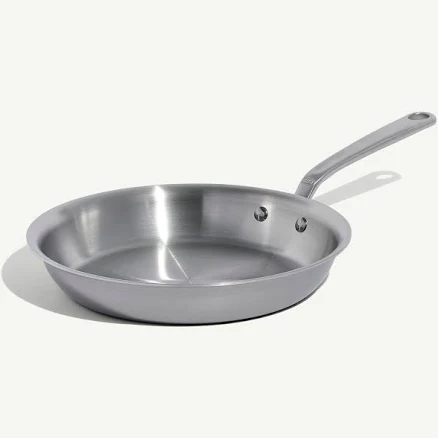
Made In
Stainless Clad Fry Pan
- Stainless steel clad construction, no nonstick coating
- The brand calls it PFAS-free, which we have not verified
- Clad separation or delamination over time
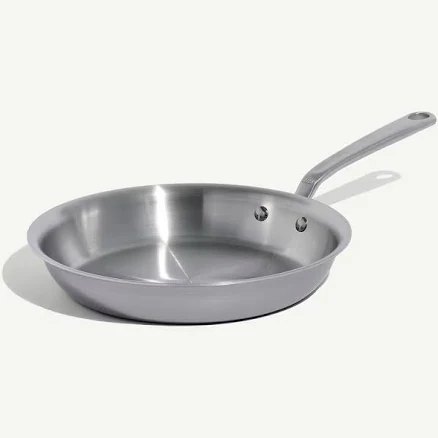
Made In
10' Stainless Clad Frying Pan
- stainless steel clad construction, no nonstick coating
- The brand calls it PFAS-free, which we have not verified
- Nickel leaching from stainless steel
3 hazards checked on this product. See all of them.
Heritage Steel
Eater Fry Pan
- Clad stainless steel, no coating
- The brand calls it PFAS-free, which we have not verified
- Metal ion release during cooking (iron, nickel, chromium)
More cookware grades
How we score, every product runs through the same public 0-100 rubric based on materials, coatings, brand disclosure, lab findings, and recalls. See the full methodology → Spotted a mistake? Report an error.