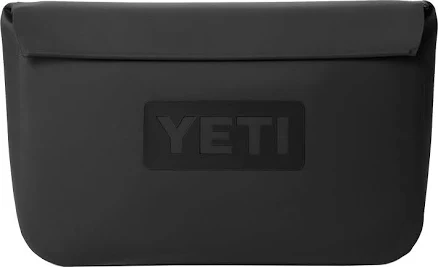
Yeti · Waterproof Outdoor Gear Storage Bags
YETI Sidekick 3L Dry Gear Case
High risk. Unknown water-repellent coating with no PFAS disclosure.
YETI's dry case uses waterproof-coated fabric, likely treated with water-repellent coating chemicals for water resistance. YETI provides no public PFAS testing or disclosure for this product.
Still want this one anyway? Check the price on Amazon. We’d swap it.
Material
Fabric with waterproof/water-repellent coating
Lab data
No public lab test
What YETI Sidekick 3L Dry Gear Case is made of, ingredients and materials
The Sidekick 3L uses a fabric base (likely nylon or polyester blend) with a water-repellent coating (water-repellent coating) coating applied to the surface. water-repellent coating coatings shed water but degrade with washing and UV exposure, requiring periodic re-treatment. The specific fluorochemical or non-fluorine formulation YETI uses is not disclosed, making full safety assessment of the coating chemistry impossible.
What’s concerning
Category baseline
The starting point for this type of product, before anything specific to this product is counted.
No PFAS disclosure
No public statement from the brand about PFAS in this product.
Waterproof / stain-resistant treatment
Water-repellent coating treatments have historically used PFAS.
water-repellent coating degradation and reapplication
All water-repellent coating-coated fabrics lose water repellency with use. Reapplication products often contain high PFAS loads, shifting the hazard downstream; this product offers no guidance on low-chemical refresh alternatives.
Microplastic shedding from synthetic fibers
If the base fabric is polyester or nylon, micro-fibers can shed during use and washing, though this is not unique to YETI and is a known issue across synthetic textiles. Minimal concern for a dry bag used to store gear rather than worn directly on skin.
VOC off-gassing from coating solvents
New water-repellent coating-coated items may release volatile organic compounds for the first few days to weeks. No specific off-gassing data is available for this product; airing out before heavy use or storage in an enclosed space is prudent.
What’s reassuring
Azo dyes in synthetic textiles
No specific recalls or warnings exist for YETI fabric dyes. Synthetic dry bags occasionally use azo dyes that release aromatic amines under stress or sweat; YETI does not disclose dye chemistry, but risk is low for external gear bags with minimal skin contact.
Formaldehyde / VOCs
Formaldehyde resins are rare in dry bags but sometimes used for wrinkle resistance or mildew inhibition in nylon. YETI does not disclose treatment chemistry; testing would be required to confirm absence.
Source, ATSDR ↗The full breakdown
The brand's record and disclosure
YETI has not publicly released detailed material safety data, PFAS sourcing statements, or third-party certifications for this product line. The company does not appear on lists of brands committing to PFAS-free coatings (such as the Outdoor Industry Association's chemicals management programs). This silence is typical for outdoor gear brands but leaves end-users without transparency on persistent chemical exposure.
How it compares in its category
Soft-sided dry bags in this price range ($60-100) almost universally use fluorinated water-repellent coating coatings because non-fluorine alternatives (wax, silicone, or paraffin) wear out faster and perform poorly in heavy rain. YETI's positioning as a premium brand does not correlate with superior chemical disclosure compared to budget competitors. A small number of brands now offer Teflon-type coating-free or explicitly PFAS-free versions, though performance trade-offs apply.
If you buy it
Avoid machine washing; hand wash only with mild soap and air dry to preserve the water-repellent coating. Do not heat-dry or place near heat sources, as this can degrade the fabric and coating. Expect to reapply a commercial water-repellent coating treatment every 1-2 years depending on use. Monitor the fabric seams and coating for peeling or degradation; replace if structural integrity fails.
What we don’t know
- Basis
- Model estimate, 35% confidence, not a lab result
- Lab test
- None on record for this exact product
- Brand statement
- Yeti has made a specific claim
Formulations change between production runs, so check the current label. How we grade.
Better-graded alternatives in Waterproof Outdoor Gear Storage Bags
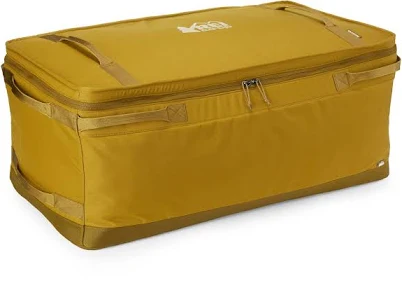
REI Co-op
Trailgate Gear Bin Green 140 L
- Polypropylene storage bin, no water-resistant coating mentioned
- UV degradation and additive leaching
3 hazards checked on this product. See all of them.
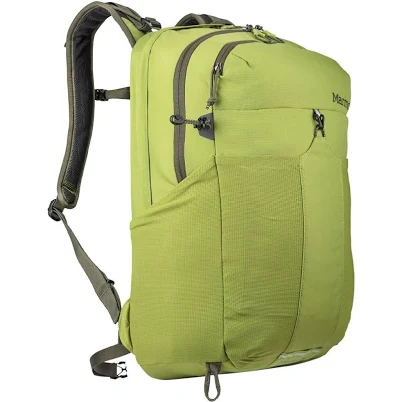
Marmot
Tool Box
- Nylon, polyester, cotton blend; details unspecified
- Volatile organic compounds (VOCs) from polyester and nylon manufacturing
5 hazards checked on this product. See all of them.
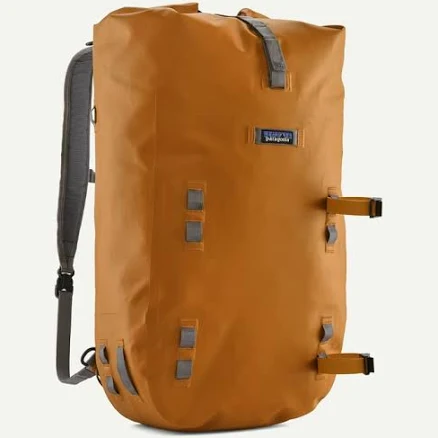
Patagonia
Disperser Roll Top Pack 40L
- Recycled polyester with water-repellent coating (water-repellent coating) finish
- The brand calls it PFAS-free, which we have not verified
- PFAS
4 hazards checked on this product. See all of them.
More waterproof outdoor gear storage bags grades
How we score, every product runs through the same public 0-100 rubric based on materials, coatings, brand disclosure, lab findings, and recalls. See the full methodology → Spotted a mistake? Report an error.