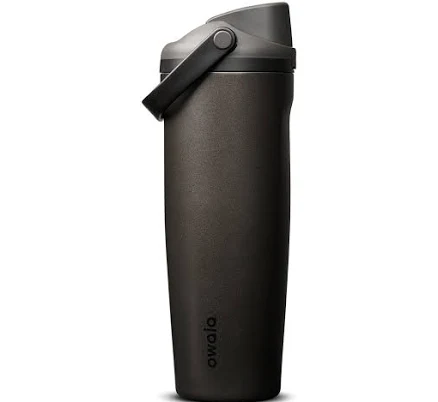
Owala · Portable Water Bottles
Owala 30 fl oz Stainless Steel Special Edition FreeSip Sway Insulated Water Bottle
Low risk. Stainless steel core suggests minimal PFAS exposure.
The FreeSip uses stainless steel as its main material, which doesn't contain PFAS. Plastic lid and spout components lack public information about coatings or treatments.
We flunk more products than we pass. This one earned its grade. How we grade
Material
Stainless steel interior and exterior, plastic lid and spout
Lab data
No public lab test
You may also be interested in
Top-graded picks in the categories readers replace first, every one scored on the same rubric.

- polypropylene filter housing, carbon/sediment cartridge
- We found no PFAS statement from the brand
- Bacterial growth in spent cartridges
3 hazards checked on this product, all on its full breakdown.

Aquasure
Premier Series 75 GPD Under Sink Reverse Osmosis Water Filtration System
- RO membrane, carbon filters, stainless steel housing
- We found no PFAS statement from the brand
- Bacterial and microbial growth in housing and filters
4 hazards checked on this product, all on its full breakdown.

Avocado
Vegan Mattress
- organic cotton, natural latex, coconut coir, recycled steel coils
- The brand calls it PFAS-free, which we have not verified
- Heavy metals
2 hazards checked on this product, all on its full breakdown.
What Owala 30 fl oz Stainless Water Bottle is made of, ingredients and materials
This bottle uses 18/8 stainless steel (chromium-nickel alloy) for the inner and outer walls, which is chemically inert and does not leach metals or leech BPA under normal use. The lid and spout are plastic, likely polypropylene or acetal copolymer based on Owala's typical construction, which are food-contact approved but have not been publicly tested by the brand for PFAS-free status. The silicone gasket and valve seals are the highest-risk components for non-PFAS chemical migration, though silicone itself is generally considered low-leach.
What’s concerning
Category baseline
The starting point for this type of product, before anything specific to this product is counted.
No PFAS disclosure
No public statement from the brand about PFAS in this product.
PFAS
The plastic components (lid, spout, seals) are not independently tested or certified PFAS-free by Owala. Standard polypropylene and acetal used in water bottle lids can leach trace BPA or other endocrine-active compounds under heat or prolonged contact; risk is low at room temperature but increases if bottle is left in hot vehicles.
Source, ATSDR ↗Silicone gasket degradation
User reports on retail sites mention occasional leaking or discoloration of the silicone valve gasket after 6-12 months of daily use. Degradation can expose fresh silicone surface, which may increase leaching of uncrosslinked oligomers, though health risk is considered minimal.
Bacterial or mold growth in valve assembly
The FreeSip valve mechanism has crevices that can trap water if not fully dried after washing. Stagnant moisture in plastic valve components can support bacterial or mold growth if the bottle sits unused for days; this is a maintenance issue rather than a material hazard, but common in user feedback.
Thermal stress to plastic components
The bottle is advertised as insulated and suitable for hot liquids up to boiling; repeated thermal cycling of the plastic lid and spout can weaken seals and may accelerate leaching of additives. Owala does not specify temperature limits for the plastic components separately from the steel body.
What’s reassuring
Bare uncoated material
Recorded as a bare, uncoated material with no surface coating or treatment.
Stainless steel interior corrosion or nickel leaching
18/8 stainless steel is highly resistant to corrosion and does not release nickel under normal use with water and beverages. No published incidents of nickel leaching or interior corrosion have been documented for Owala bottles in this material grade.
How is this PFAS grade calculated?
The brand's record and disclosure
Owala has not published detailed material safety data sheets, PFAS testing results, or third-party certifications (NSF, FDA verification) for this product line. The brand has maintained public silence on PFAS and heavy metals in plastic components, which is typical of many water-bottle manufacturers but limits independent verification. No recalls, contamination incidents, or safety violations are publicly documented for Owala bottles as of available information. The company positions itself as a lifestyle brand rather than a transparency-focused producer.
How it compares in its category
Stainless steel insulated bottles have lower concern for leaching risk than plastic-only bottles because the inner surface does not contact liquid. Owala competes with Hydro Flask, S'well, and YETI in the mid-premium segment; none routinely disclose PFAS testing, making direct comparison difficult. This model's plastic lid is standard in the category, so hazard level is typical rather than elevated. Bottles with glass interiors or certified PFAS-free lids (rare) would represent lower-risk alternatives if available.
If you buy it
Hand-wash the lid and spout in warm (not hot) water; dishwasher cleaning of plastic components may accelerate wear and leaching. Avoid prolonged storage of acidic liquids (lemon water, vinegar) which can degrade the gasket over time. Replace the silicone valve and gasket every 12-18 months if you use the bottle daily, as these are wear items. Do not leave the bottle in direct sunlight for extended periods, as heat cycling of plastic can promote material degradation.
What is not known about PFAS in this product?
- Basis
- Model estimate, 72% confidence, not a lab result
- Lab test
- None on record for this exact product
- Brand statement
- Owala has made a specific claim
Formulations change between production runs, so check the current label. How we grade.
What are the PFAS-free alternatives to Owala 30 fl oz Stainless Steel Special Edition FreeSip Sway Insulated Water Bottle?
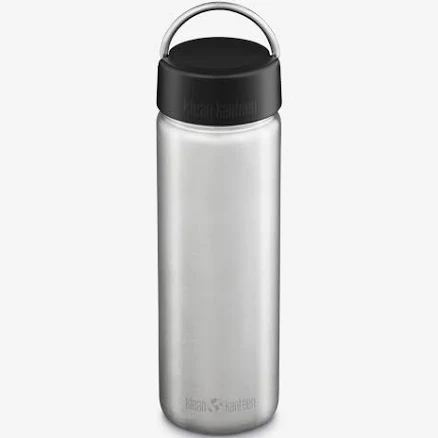
- 18/8 stainless steel, no interior coating
- The brand calls it PFAS-free, which we have not verified
- Cap or closure contamination
2 hazards checked on this product, all on its full breakdown.
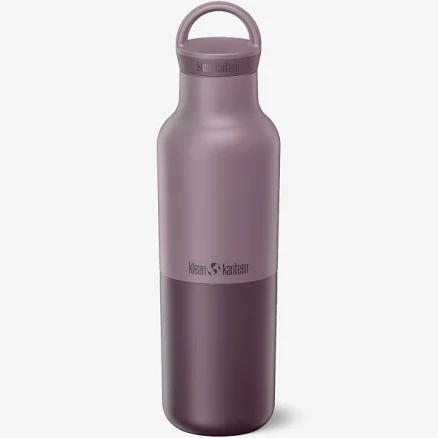
- stainless steel body, foam insulation, stainless steel cap
- The brand calls it PFAS-free, which we have not verified
- Cap gasket and seal contamination
- Stainless steel body, no coating disclosed
- We found no PFAS statement from the brand
- Bacterial or mold growth in storage
3 hazards checked on this product, all on its full breakdown.
More portable water bottles grades
How we score, every product runs through the same public 0-100 rubric based on materials, coatings, brand disclosure, lab findings, and recalls. See the full methodology → Spotted a mistake? Report an error.