OxiClean · Fabric Stain Guard Sprays
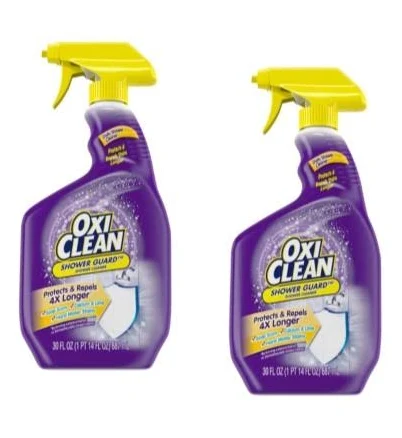
Oxiclean Shower Guard Spray, 30 Ounce - Pack Of 2
Liquid cleaner without expected PFAS risk.
OxiClean Shower Guard is a hydrogen peroxide spray cleaner without water-repellent or non-stick coatings. This product category carries minimal PFAS concern.
We flunk more products than we pass. This one earned its grade. How we grade
Material
Hydrogen peroxide and surfactants in aqueous spray
Lab data
No public lab test
What Oxiclean Shower Guard Spray, 30 Ounce is made of, ingredients and materials
OxiClean Shower Guard Spray is a hydrogen peroxide-based oxidizing cleaner combined with surfactants and water. Hydrogen peroxide breaks down organic stains and mildew through oxidation rather than bleach chemistry, which reduces corrosivity to some fabrics and surfaces. The surfactant component helps lift and suspend soils so they rinse away; these are typically non-ionic or anionic types common in household cleaning products. No ceramic, metal, or polymer coatings are involved in application, so leaching hazards tied to cookware or food-contact surfaces do not apply.
What’s concerning
No PFAS disclosure
No public statement from the brand about PFAS in this product.
Category baseline
The starting point for this type of product, before anything specific to this product is counted.
Hydrogen peroxide irritancy (inhalation, eyes, skin)
Concentrated hydrogen peroxide solutions can irritate mucous membranes and skin. This product is diluted for household use; risk is low with normal spray application and ventilation, but splashing or aerosol inhalation in enclosed spaces could cause temporary irritation.
Surfactant sensitization or skin irritation
Non-ionic and anionic surfactants are mild but can cause irritation or allergic contact dermatitis in sensitive individuals with prolonged or direct skin contact. OxiClean does not disclose specific surfactant names on the label, limiting assessment of individual reactivity profiles.
Fabric or dye damage from oxidation
Hydrogen peroxide is an oxidizing agent and can bleach or degrade certain dyes, particularly on non-colorfast or delicate fabrics (silk, wool, some synthetics). User reports and product warnings reflect this risk; it is not a chemical toxicity hazard but a functional degradation hazard.
Product degradation over time
Hydrogen peroxide degrades when exposed to light and heat, converting to water and oxygen. Shelf life and storage conditions affect efficacy; no expiration date is typically printed on consumer spray bottles, making it difficult for users to know when potency has declined.
What’s reassuring
Base material not linked to PFAS
The main material recorded for this product is not one associated with PFAS.
Fragrance allergens or undisclosed fragrance components
OxiClean Shower Guard Spray does not list fragrance on the label and appears to be unscented. No fragrance-related complaints or allergen documentation is on record for this specific product.
The full breakdown
The brand's record and disclosure
OxiClean (Church & Dwight Co., Inc.) does not publish detailed ingredient safety disclosures or third-party certifications (e.g., EPA Safer Choice, EcoLogo) for this product. The brand has no documented recalls or regulatory violations specific to this shower spray formulation in public databases. Church & Dwight has faced no major public controversies tied to hydrogen peroxide cleaning products; the ingredient is widely recognized as a lower-hazard oxidizer in household use.
How it compares in its category
Hydrogen peroxide sprays are considered lower-concern alternatives to bleach-based mildew removers (sodium hypochlorite) because they do not release chlorine gas and break down into water and oxygen. Most fabric guard sprays in this category use surfactants and oxidizers or silicone-based water repellents; OxiClean avoids silicone, which can build up on fabric over time. Compared to quaternary ammonium-based antimicrobials sometimes found in competing sprays, hydrogen peroxide carries no bioaccumulation concern and degrades quickly in aqueous environments.
If you buy it
Always spray in a well-ventilated area; hydrogen peroxide can irritate respiratory membranes in high vapor concentrations, though spray application is not typical for acute inhalation risk. Test on hidden areas of delicate fabrics before full application, as hydrogen peroxide may bleach or weaken some dyes or fibers, particularly silk or non-colorfast textiles. Store in a cool, dark place away from direct sunlight; hydrogen peroxide degrades over time when exposed to light and heat, reducing efficacy. Keep away from eyes and skin contact; rinse thoroughly if splashing occurs. Replace the bottle if it becomes discolored or if the product no longer fizzes or performs, as degradation indicates loss of active ingredient.
What we don’t know
- Basis
- Model estimate, 82% confidence, not a lab result
- Lab test
- None on record for this exact product
- Brand statement
- OxiClean has made a specific claim
Formulations change between production runs, so check the current label. How we grade.
More fabric stain guard sprays grades
How we score, every product runs through the same public 0-100 rubric based on materials, coatings, brand disclosure, lab findings, and recalls. See the full methodology → Spotted a mistake? Report an error.