
Peanut Oil · Cast Iron Cookware Seasoning & Oil
100% Peanut Oil 35 lb.
Peanut oil has lower concern for PFAS based on its material composition.
This product is 100% peanut oil, a material not linked to PFAS. No water-repellent finish or coating is on record. The brand has no PFAS statement on record.
The better-graded swap
Crisbee
Stik Cast Iron Seasoning
85/100 safety
Same rubric that flunked this product. The swap earned Excellent.
Still want this one anyway? Check the price on Amazon. We’d swap it.
Material
100% peanut oil, liquid cooking oil
Brand disclosure
Brand is silent on PFAS
Lab data
No public lab test
You may also be interested in
Top-graded picks in the categories readers replace first, every one scored on the same rubric.

- polypropylene filter housing, carbon/sediment cartridge
- We found no PFAS statement from the brand
- Bacterial growth in spent cartridges
3 hazards checked on this product, all on its full breakdown.

Aquasure
Premier Series 75 GPD Under Sink Reverse Osmosis Water Filtration System
- RO membrane, carbon filters, stainless steel housing
- We found no PFAS statement from the brand
- Bacterial and microbial growth in housing and filters
4 hazards checked on this product, all on its full breakdown.

Avocado
Vegan Mattress
- organic cotton, natural latex, coconut coir, recycled steel coils
- The brand calls it PFAS-free, which we have not verified
- Heavy metals
2 hazards checked on this product, all on its full breakdown.
What 100% Peanut Oil 35 lb. is made of, ingredients and materials
This is 100% peanut oil, a liquid fat extracted from peanuts with no added emulsifiers, preservatives, or synthetic coatings. As a liquid cooking oil rather than cookware itself, it does not involve the glazes, enamels, non-stick coatings, or metal leaching risks typical of solid cookware products. The chemical composition is triglycerides and minor natural components like vitamin E and phytosterols; it poses none of the hazards associated with Teflon-type coating, ceramic coatings, or aluminum vessels.
What’s concerning
No PFAS disclosure
No public statement from the brand about PFAS in this product.
Category baseline
The starting point for this type of product, before anything specific to this product is counted.
Rancidity and oxidative degradation
Peanut oil is prone to oxidation over time, especially in a large 35 lb container stored in non-ideal conditions. Rancid oil produces off-flavors and may harbor minor lipid peroxides, though this is a quality issue rather than an acute safety hazard at typical consumption levels.
Aflatoxin contamination (Aspergillus flavus)
Peanuts and peanut oil can naturally contain aflatoxins, a potent mycotoxin, if crops or storage are compromised. Reputable refined peanut oil is tested and filtered, but no label disclosure is visible for this brand; standard FDA compliance limits apply (20 ppb), but independent verification is not documented.
Pesticide residue
Peanut crops are conventionally treated with pesticides. Refined processing removes some residues, but no organic certification or pesticide testing data is publicly available for this brand, so exposure cannot be ruled out or quantified from available information.
Source, EPA ↗What’s reassuring
Base material not linked to PFAS
The main material recorded for this product is not one associated with PFAS.
Allergen cross-contamination
Pure peanut oil is typically free of allergenic peanut proteins if properly refined, but cross-contamination risk depends on facility practices. No recall history or allergen warning is documented for this brand, though individuals with severe peanut allergy should consult the manufacturer directly.
How is this PFAS grade calculated?
The brand's record and disclosure
The brand 'Peanut Oil' provides minimal public disclosure beyond the product label. No major recalls or safety controversies are on record for this bulk peanut oil product. The brand does not publish detailed certifications (e.g., organic, non-GMO, cold-pressed) on widely available platforms, so verification of processing methods and pesticide residue testing relies on standard FDA food compliance rather than third-party auditing.
How it compares in its category
As a liquid cooking oil, this product sits outside the typical cookware category hazard profile (no lead glazes, Teflon-type coating fumes, or coating degradation apply). Compared to refined peanut oil alternatives, bulk 35 lb containers carry no additional chemical risk; the main variation between brands is processing method (refined vs. cold-pressed) and pesticide/aflatoxin testing rigor, not synthetic additives. Peanut oil itself is considered a stable, high-heat option compared to less thermally stable oils like flaxseed or walnut.
If you buy it
Store in a cool, dark location away from light and heat to slow oxidation and rancidity. Peanut oil remains stable at room temperature but degrades faster than refined neutral oils when exposed to warmth or sunlight; a 35 lb bulk container may take months to use, so monitor for off-odors or cloudiness that signal spoilage. Use within 1-2 years of purchase for best quality. Check the container for any signs of leakage or damage before use.
What is not known about PFAS in this product?
- Basis
- Model estimate, 95% confidence, not a lab result
- Lab test
- None on record for this exact product
- Brand statement
- Peanut Oil has made none
Formulations change between production runs, so check the current label. How we grade.
What are the PFAS-free alternatives to 100% Peanut Oil 35 lb.?
- Organic waxes and oils blend
- We found no PFAS statement from the brand
- Oil rancidity and off-gassing
2 hazards checked on this product, all on its full breakdown.
- mineral oil and soy-based oil blend
- Aerosol inhalation (mineral oil mist)
3 hazards checked on this product, all on its full breakdown.
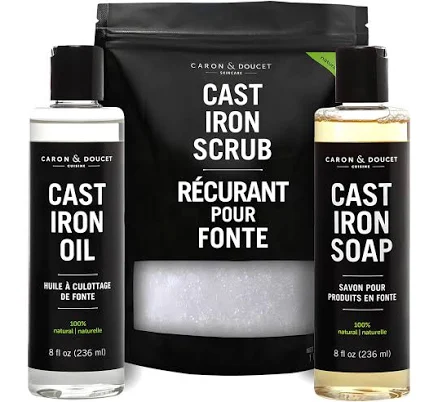
Cast Iron Ultimate Bundle
- cast iron, bare or seasoned with the brand
- We found no PFAS statement from the brand
- Iron leaching into food
2 hazards checked on this product, all on its full breakdown.
More cast iron cookware seasoning & oil grades
How we score, every product runs through the same public 0-100 rubric based on materials, coatings, brand disclosure, lab findings, and recalls. See the full methodology → Spotted a mistake? Report an error.