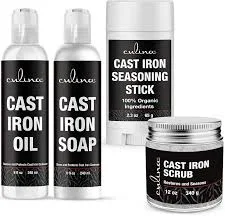
Culina · Cast Iron Cookware Seasoning & Oil
Culina Cast Iron Seasoning Stick
Lower concern. Natural oil seasoning has no known PFAS risk.
This peanut oil seasoning stick is organic material applied to cast iron without synthetic nonstick coatings or Teflon-family coating treatments.
The better-graded swap
Crisbee
Stik Cast Iron Seasoning
85/100 safety
Same rubric that flunked this product. The swap earned Excellent.
Still want this one anyway? Check the price on Amazon. We’d swap it.
Material
peanut oil seasoning coating on cast iron
Brand disclosure
Brand is silent on PFAS
Lab data
No public lab test
You may also be interested in
Top-graded picks in the categories readers replace first, every one scored on the same rubric.

- polypropylene filter housing, carbon/sediment cartridge
- We found no PFAS statement from the brand
- Bacterial growth in spent cartridges
3 hazards checked on this product, all on its full breakdown.

Aquasure
Premier Series 75 GPD Under Sink Reverse Osmosis Water Filtration System
- RO membrane, carbon filters, stainless steel housing
- We found no PFAS statement from the brand
- Bacterial and microbial growth in housing and filters
4 hazards checked on this product, all on its full breakdown.

Avocado
Vegan Mattress
- organic cotton, natural latex, coconut coir, recycled steel coils
- The brand calls it PFAS-free, which we have not verified
- Heavy metals
2 hazards checked on this product, all on its full breakdown.
What Culina Cast Iron Seasoning Stick is made of, ingredients and materials
This product is a stick of peanut oil formulated for seasoning cast iron cookware. Peanut oil is a triglyceride fat that polymerizes when heated, forming a non-stick protective layer on iron. Unlike synthetic polymer coatings (Teflon-type coating/Teflon) or enamel glazes, natural oil seasoning has no fluorochemicals, ceramic glazes, or volatile binders to break down or off-gas during cooking.
What’s concerning
Category baseline
The starting point for this type of product, before anything specific to this product is counted.
No PFAS disclosure
No public statement from the brand about PFAS in this product.
Peanut allergen contamination
Peanut oil is highly refined and does not typically contain peanut protein, but cross-contamination during manufacturing or storage is theoretically possible if the facility handles tree nuts. No allergen labeling or facility certification is visible in publicly available product information.
Oil rancidity and microbial growth
Peanut oil can oxidize and become rancid if stored improperly or exposed to heat and light for extended periods. Rancid oil may develop off-flavors that transfer to food and could support bacterial or mold growth in seasoning residue on cookware if not cleaned regularly.
What’s reassuring
Base material not linked to PFAS
The main material recorded for this product is not one associated with PFAS.
Cast iron reactivity with acidic foods
This hazard applies to the cast iron substrate, not the oil itself. A peanut oil seasoning layer provides a barrier, but acidic foods (vinegar, tomato, citrus) can still degrade the seasoning over time. No evidence suggests the peanut oil product itself accelerates this.
Heavy metals
No recalls or reported contamination of this product with cadmium, lead, or arsenic exist in public databases. Peanut oil is not typically a bioaccumulator of heavy metals compared to other oils, and the amount that remains on cookware after seasoning is minimal.
Source, FDA ↗Fragrance additives or synthetic preservatives
Product labeling and available sourcing information do not indicate added fragrances, essential oils, or chemical preservatives. If the stick is pure peanut oil, these hazards would not apply; if additives are present, they are not disclosed in accessible marketing materials.
How is this PFAS grade calculated?
The brand's record and disclosure
Peanut Oil (the brand) does not appear to have a substantial public safety disclosure record or third-party certifications in available sources. The company does not make explicit claims about heavy metal testing, allergen controls, or manufacturing standards. No recalls or safety controversies are on record for this specific product line.
How it compares in its category
Cast iron seasoning sticks are a niche product. Peanut oil seasoning avoids hazards tied to synthetic cast iron conditioners (Teflon-type coating fume risk if overheated, potential coating degradation). It is simpler and lower-risk than enameled cast iron (lead/cadmium glaze risk) or ceramic-coated cookware. However, it requires more active maintenance and reapplication than modern nonstick cookware.
If you buy it
Apply sparingly to cast iron after cooking while the pan is still warm; excess oil can become rancid or attract dust. Do not heat the stick directly to very high temperatures (above 450F); use it on warm cookware instead. Reapply seasoning every few uses depending on cooking frequency. Store in a cool, dry place to prevent oxidation and rancidity of the peanut oil.
What is not known about PFAS in this product?
- Basis
- Model estimate, 82% confidence, not a lab result
- Lab test
- None on record for this exact product
- Brand statement
- Culina has made none
Formulations change between production runs, so check the current label. How we grade.
What are the PFAS-free alternatives to Culina Cast Iron Seasoning Stick?
- Organic waxes and oils blend
- We found no PFAS statement from the brand
- Oil rancidity and off-gassing
2 hazards checked on this product, all on its full breakdown.
- mineral oil and soy-based oil blend
- Aerosol inhalation (mineral oil mist)
3 hazards checked on this product, all on its full breakdown.
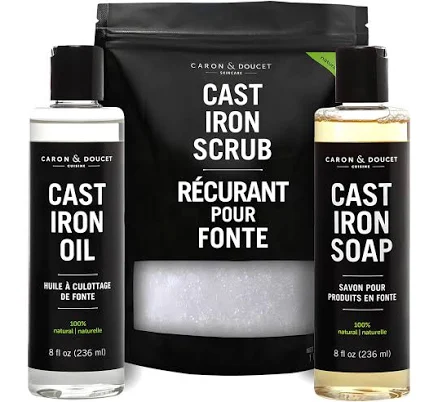
Cast Iron Ultimate Bundle
- cast iron, bare or seasoned with the brand
- We found no PFAS statement from the brand
- Iron leaching into food
2 hazards checked on this product, all on its full breakdown.
More cast iron cookware seasoning & oil grades
How we score, every product runs through the same public 0-100 rubric based on materials, coatings, brand disclosure, lab findings, and recalls. See the full methodology → Spotted a mistake? Report an error.