Peanut Oil · Cast Iron Cookware Seasoning & Oil
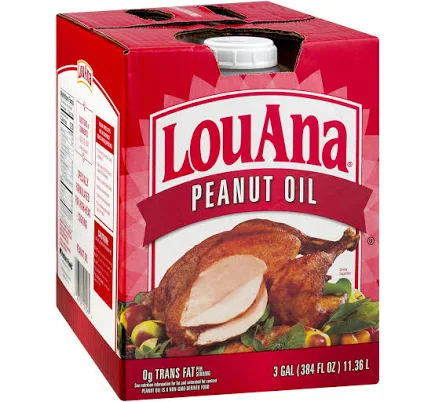
LouAna Peanut Frying Oil 3 gal
Lower concern; pure peanut oil does not require PFAS treatments.
Refined peanut oil is a liquid cooking oil with no coatings, treatments, or non-stick surfaces and cooking oils aren't a typical PFAS risk category. This product carries lower concern.
The better-graded swap
Crisbee
Stik Cast Iron Seasoning
85/100 safety
Same rubric that flunked this product. The swap earned Excellent.
Still want this one anyway? Check the price on Amazon. We’d swap it.
Material
Refined peanut oil, liquid cooking oil
Brand disclosure
Brand is silent on PFAS
Lab data
No public lab test
You may also be interested in
Top-graded picks in the categories readers replace first, every one scored on the same rubric.

- polypropylene filter housing, carbon/sediment cartridge
- We found no PFAS statement from the brand
- Bacterial growth in spent cartridges
3 hazards checked on this product, all on its full breakdown.

Aquasure
Premier Series 75 GPD Under Sink Reverse Osmosis Water Filtration System
- RO membrane, carbon filters, stainless steel housing
- We found no PFAS statement from the brand
- Bacterial and microbial growth in housing and filters
4 hazards checked on this product, all on its full breakdown.

Avocado
Vegan Mattress
- organic cotton, natural latex, coconut coir, recycled steel coils
- The brand calls it PFAS-free, which we have not verified
- Heavy metals
2 hazards checked on this product, all on its full breakdown.
What LouAna Peanut Frying Oil 3 gal is made of, ingredients and materials
LouAna Peanut Frying Oil is refined peanut oil, a plant-derived triglyceride with no synthetic coatings, binders, or chemical treatments required for its function. Refining removes impurities and allergens (refined peanut oil has lower allergenic protein content per FDA guidance, with highly refined versions carrying minimal allergenic protein). Unlike non-stick cookware or coated surfaces, liquid oil contains no ceramic glazes, Teflon-type coating, or metal oxide coatings that could degrade and leach into food. The primary safety concern with any cooking oil is thermal degradation at high heat, not the oil's baseline composition.
What’s concerning
No PFAS disclosure
No public statement from the brand about PFAS in this product.
Category baseline
The starting point for this type of product, before anything specific to this product is counted.
Thermal breakdown (oxidation) at high heat
All cooking oils degrade when heated above smoke point (450F for peanut oil). Repeated heating accelerates formation of oxidized compounds and aldehydes; risk depends on user temperature control and oil reuse patterns, not LouAna's formulation specifically.
Rancidity from storage degradation
Refined peanut oil oxidizes slowly over months if stored in warm, light conditions or after opening. Rancid oil is unpalatable and may cause mild gastrointestinal upset but is not acutely toxic; consumer responsibility for proper storage.
What’s reassuring
Base material not linked to PFAS
The main material recorded for this product is not one associated with PFAS.
Heavy metals
Peanut crops can accumulate cadmium and arsenic from soil; no recalls or reported contamination in LouAna products on record. Refining process removes some impurities, but third-party verification data is not publicly available from the brand.
Source, FDA ↗Allergen cross-contamination (peanut protein)
Refined peanut oil contains negligible allergenic peanut protein per FDA standards; however, manufacturing does occur in peanut-processing facilities, so trace cross-contact risk exists for severe peanut-allergic consumers. Labeling should note potential shared facility production.
Packaging leachables (metal cans)
3-gallon containers are typically food-grade tinned steel or aluminum with epoxy liners. No documented leaching of metal or BPA from properly manufactured food-oil cans into the product, but older containers may show minor surface rust harmless to oil quality.
How is this PFAS grade calculated?
The brand's record and disclosure
LouAna is a legacy brand (ConAgra subsidiary) with a long market presence and no recorded product recalls or safety controversies on file. The brand does not publicly detail supplier audits or third-party testing certifications for heavy metals or contaminants, which is typical for commodity cooking oils but represents a disclosure gap. No documented claims of non-GMO, organic, or independent safety verification; labeling is standard USDA-regulated commodity oil format. Peanut oil sourcing and refining standards fall under FDA GRAS (Generally Recognized As Safe) designation when properly manufactured.
How it compares in its category
Refined peanut oil sits in the middle tier of cooking oils for chemical safety, it avoids the potential Teflon-type coating off-gassing risk of non-stick cookware entirely, and eliminates leaching hazards present in ceramic or glazed cookware. Compared to other oils (e.g., vegetable, canola), peanut oil has a higher smoke point (around 450F), reducing thermal breakdown at typical frying temperatures. Virgin or cold-pressed peanut oils retain more plant compounds and allergens; LouAna's refined version trades off some flavor and nutrition for lower allergenic load and shelf stability. No major category-specific hazard differentiator versus other major brand refined oils.
If you buy it
Store in a cool, dark place to slow oxidative rancidity (oil degrades over time when exposed to light and heat); check smell before use, as rancid oil produces off-flavors but is not acutely toxic. Do not heat beyond 450F (smoke point); excessive thermal stress breaks down oil molecules into aldehydes and other oxidation products, increasing potential irritant exposure. Use the same container for no more than 2-3 months of regular frying to minimize accumulated breakdown products from repeated heating cycles. Discard if container shows signs of leakage or corrosion; aluminum or metal cans can oxidize over years, though risk is low with properly manufactured food-grade packaging.
What is not known about PFAS in this product?
- Basis
- Model estimate, 92% confidence, not a lab result
- Lab test
- None on record for this exact product
- Brand statement
- Peanut Oil has made none
Formulations change between production runs, so check the current label. How we grade.
What are the PFAS-free alternatives to LouAna Peanut Frying Oil 3 gal?
- Organic waxes and oils blend
- We found no PFAS statement from the brand
- Oil rancidity and off-gassing
2 hazards checked on this product, all on its full breakdown.
- mineral oil and soy-based oil blend
- Aerosol inhalation (mineral oil mist)
3 hazards checked on this product, all on its full breakdown.
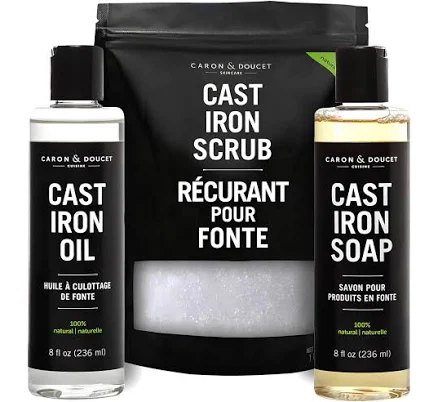
Cast Iron Ultimate Bundle
- cast iron, bare or seasoned with the brand
- We found no PFAS statement from the brand
- Iron leaching into food
2 hazards checked on this product, all on its full breakdown.
More cast iron cookware seasoning & oil grades
How we score, every product runs through the same public 0-100 rubric based on materials, coatings, brand disclosure, lab findings, and recalls. See the full methodology → Spotted a mistake? Report an error.