Peanut Oil · Cast Iron Cookware Seasoning & Oil
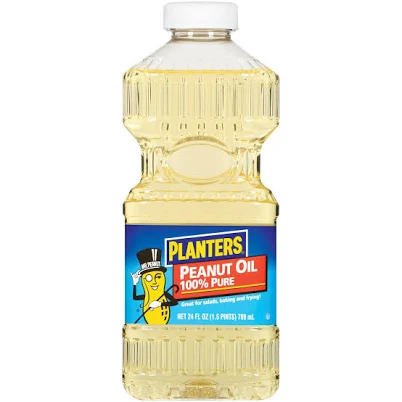
Planters Peanut Oil 24 oz
Liquid cooking oil has no coating or treatment involving PFAS.
Planters peanut oil is liquid with no surface coatings or water-resistant applications typical of PFAS use. Standard food oils present lower risk.
The better-graded swap
Lodge
Cast Iron Seasoning Spray
85/100 safety
Same rubric that flunked this product. The swap earned Excellent.
Still want this one anyway? Check the price on Amazon. We’d swap it.
Material
Refined peanut oil, liquid
Brand disclosure
Brand is silent on PFAS
Lab data
No public lab test
You may also be interested in
Top-graded picks in the categories readers replace first, every one scored on the same rubric.

- polypropylene filter housing, carbon/sediment cartridge
- We found no PFAS statement from the brand
- Bacterial growth in spent cartridges
3 hazards checked on this product, all on its full breakdown.

Aquasure
Premier Series 75 GPD Under Sink Reverse Osmosis Water Filtration System
- RO membrane, carbon filters, stainless steel housing
- We found no PFAS statement from the brand
- Bacterial and microbial growth in housing and filters
4 hazards checked on this product, all on its full breakdown.

Avocado
Vegan Mattress
- organic cotton, natural latex, coconut coir, recycled steel coils
- The brand calls it PFAS-free, which we have not verified
- Heavy metals
2 hazards checked on this product, all on its full breakdown.
What Planters Peanut Oil 24 oz is made of, ingredients and materials
Planters Peanut Oil is refined peanut oil, a liquid fat extracted and processed from peanuts. Refinement removes most plant proteins and allergens but also removes some micronutrients. The liquid state means no ceramic glaze, Teflon-type coating, or enamel degradation hazards typical of solid cookware; it is the medium itself, not a container. Refined oils are chemically stable at typical cooking temperatures and do not leach metals or degradation byproducts.
What’s concerning
No PFAS disclosure
No public statement from the brand about PFAS in this product.
Category baseline
The starting point for this type of product, before anything specific to this product is counted.
Oxidation and rancidity
Refined peanut oil can oxidize over time if exposed to heat, light, or air, producing rancid compounds with potential mild gastrointestinal effects. No chemical toxins added; risk is quality and freshness rather than contamination.
Smoke point and thermal degradation
Heating peanut oil beyond its smoke point (around 450F) produces aldehydes and other volatile compounds; using it for very high-heat cooking or deep frying at sustained temps increases inhalation exposure. Standard cookware use does not typically reach these temperatures.
Allergen risk (peanut)
Refined peanut oil contains trace peanut proteins; individuals with severe peanut allergies may react if oil is not labeled as allergen-safe or certified protein-reduced. Planters product labeling should clearly note peanut as an allergen.
What’s reassuring
Base material not linked to PFAS
The main material recorded for this product is not one associated with PFAS.
Additives (TBHQ or similar antioxidants)
Some Planters Peanut Oil formulations include TBHQ (tertiary butylhydroquinone) as a preservative, which is FDA-approved but controversial; presence and level vary by product line. Check label for additive list; no recalls or acute toxicity events on record.
Heavy metals
Refined peanut oil processing (refining, bleaching, deodorizing) removes most heavy metals and pesticide residues from raw peanuts. No routine testing data or recalls for contamination in Planters Peanut Oil are on public record.
Source, FDA ↗How is this PFAS grade calculated?
The brand's record and disclosure
Planters (owned by Mondelez International) does not publish detailed ingredient sourcing or chemical processing transparency reports specific to this product. No major product recalls or chemical contamination incidents are on record for Planters Peanut Oil. The brand has not made specific PFAS or non-PFAS chemical safety commitments for cooking oils. Standard FDA food facility regulations and labeling apply; ingredient list is minimal (peanut oil, sometimes antioxidants like TBHQ).
How it compares in its category
Liquid cooking oils occupy a lower-hazard position than non-stick cookware, enameled cast iron, or ceramic-coated pans because they have no surface coating that can degrade or leach. Refined peanut oil is chemically similar to other refined vegetable oils (canola, soybean) and sits mid-range for smoke point (around 450F) compared to avocado oil (higher) or extra-virgin olive oil (lower). No established safety differentiation exists between major refined peanut oil brands from a chemical hazard standpoint.
If you buy it
Store in a cool, dark place away from heat and light to preserve stability and prevent oxidation (rancidity). Do not heat above 450F to avoid thermal breakdown and smoke point; use for sauteing and shallow frying, not deep frying at sustained high temps. Keep the bottle sealed and check for off-odor or cloudiness before use, especially if stored longer than one year. Replace if rancid (musty smell) or if the bottle shows visible debris or discoloration.
What is not known about PFAS in this product?
- Basis
- Model estimate, 92% confidence, not a lab result
- Lab test
- None on record for this exact product
- Brand statement
- Peanut Oil has made none
Formulations change between production runs, so check the current label. How we grade.
What are the PFAS-free alternatives to Planters Peanut Oil 24 oz?
- Organic waxes and oils blend
- We found no PFAS statement from the brand
- Oil rancidity and off-gassing
2 hazards checked on this product, all on its full breakdown.
- mineral oil and soy-based oil blend
- Aerosol inhalation (mineral oil mist)
3 hazards checked on this product, all on its full breakdown.
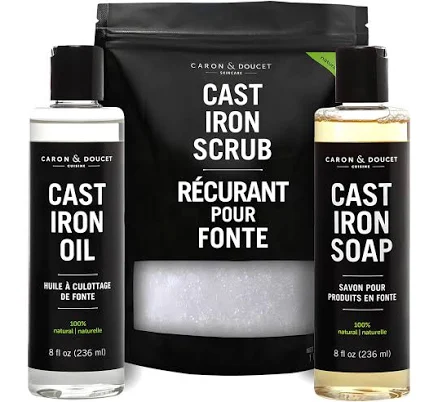
Cast Iron Ultimate Bundle
- cast iron, bare or seasoned with the brand
- We found no PFAS statement from the brand
- Iron leaching into food
2 hazards checked on this product, all on its full breakdown.
More cast iron cookware seasoning & oil grades
How we score, every product runs through the same public 0-100 rubric based on materials, coatings, brand disclosure, lab findings, and recalls. See the full methodology → Spotted a mistake? Report an error.