Pelican · Waterproof Phone Cases
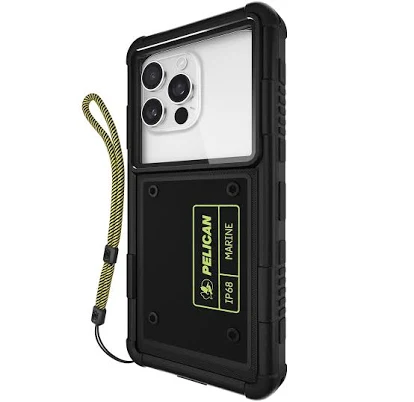
Pelican Marine Waterproof Phone Case
No coating described, and no PFAS statement from the brand.
The product information we reviewed describes polypropylene case with waterproof seals, with no water-repellent coating named. Water resistance on products like this usually comes from the material and its seals rather than a surface treatment. The brand has published no PFAS statement for it.
We flunk more products than we pass. This one earned its grade. How we grade
Material
Polypropylene case with waterproof seals
Lab data
No public lab test
You may also be interested in
Top-graded picks in the categories readers replace first, every one scored on the same rubric.

- polypropylene filter housing, carbon/sediment cartridge
- We found no PFAS statement from the brand
- Bacterial growth in spent cartridges
3 hazards checked on this product, all on its full breakdown.

Aquasure
Premier Series 75 GPD Under Sink Reverse Osmosis Water Filtration System
- RO membrane, carbon filters, stainless steel housing
- We found no PFAS statement from the brand
- Bacterial and microbial growth in housing and filters
4 hazards checked on this product, all on its full breakdown.

Avocado
Vegan Mattress
- organic cotton, natural latex, coconut coir, recycled steel coils
- The brand calls it PFAS-free, which we have not verified
- Heavy metals
2 hazards checked on this product, all on its full breakdown.
What Pelican Marine Waterproof Phone Case is made of, ingredients and materials
This case is constructed from polypropylene (PP), a thermoplastic polymer chosen for its rigidity, water resistance, and chemical stability. Polypropylene does not leach BPA, BPS, or phthalates under normal use conditions, and its waterproof function relies on mechanical seals and tight case closure rather than chemical coatings. The material itself is considered inert when kept below 70°C (158°F), which your phone will not approach during normal carrier use.
What’s concerning
Category baseline
The starting point for this type of product, before anything specific to this product is counted.
No PFAS disclosure
No public statement from the brand about PFAS in this product.
Polypropylene degradation and microplastic shedding
Prolonged UV exposure or mechanical stress can cause polypropylene to become brittle and fragment. No manufacturing defect or premature degradation is on record for this model, but cases used in high-UV environments (boats, beach bags) may shed microplastics after several years.
Bacterial or mold growth in sealed pockets
Waterproof seals that trap moisture in high-humidity conditions can foster mold or algae growth on internal gaskets if the case is not periodically opened to dry. This is a hygiene concern rather than a material safety hazard, but worth noting for marine or tropical use.
What’s reassuring
Base material not linked to PFAS
The main material recorded for this product is not one associated with PFAS.
Seal material leachables (if silicone gaskets present)
Pelican does not specify gasket material publicly. If silicone, FDA-compliant food-grade silicone is standard in this category and poses minimal leaching risk to a phone. No recalled or documented issue with Pelican seals exists.
Dye or colorant toxicity
Polypropylene phone cases are typically colored with disperse dyes or carbon black, which do not migrate into skin or food. No heavy-metal contamination is documented in Pelican's product line.
Off-gassing or volatile organic compounds
Polypropylene itself does not off-gas significantly at room temperature. Any solvent odor at unboxing typically dissipates within hours and poses negligible inhalation risk in normal use.
How is this PFAS grade calculated?
The brand's record and disclosure
Pelican is a well-established manufacturer of protective cases and equipment, primarily serving industrial and military markets. The company provides no published statement on PFAS use in consumer products; no independent testing or recalls linked to PFAS contamination in their phone cases appear in public records. Pelican does not advertise third-party material certifications (such as FDA or European safety approvals) for this line, though the absence of disclosure is not evidence of a problem.
How it compares in its category
Waterproof phone cases typically rely on silicone gaskets, polypropylene bodies, or both. Pelican's polypropylene approach avoids the potential volatilization of silicone compounds in warm car interiors and omits Teflon-family coating coatings (which can off-gas if damaged). This case sits in the middle-to-high durability range of the category and is less chemically complex than cases with synthetic rubber or rubberized coatings.
If you buy it
Keep the case out of direct sunlight for extended periods to prevent polymer embrittlement over years of storage. Do not intentionally expose it to temperatures above 70°C. Inspect the seals visually every 6 to 12 months for visible cracks or hardening; if seals degrade, waterproof integrity is compromised and the case should be replaced. Rinse with fresh water after exposure to saltwater or chlorine to extend seal life.
What is not known about PFAS in this product?
- Basis
- Model estimate, 45% confidence, not a lab result
- Lab test
- None on record for this exact product
- Brand statement
- Pelican has made a specific claim
Formulations change between production runs, so check the current label. How we grade.
What are the PFAS-free alternatives to Pelican Marine Waterproof Phone Case?
- Flax fiber and plant-based resin blend, compostable
- A third party reports verifying it as PFAS-free
- Coating degradation and durability over time
2 hazards checked on this product, all on its full breakdown.
- plant-based bioplastic (flax and other plant fibers)
- A third party reports verifying it as PFAS-free
- Thermal degradation and warping
3 hazards checked on this product, all on its full breakdown.
- Plant-based bioplastic (compostable blend)
- A third party reports verifying it as PFAS-free
- Bioplastic degradation and microparticle shedding
More waterproof phone cases grades
How we score, every product runs through the same public 0-100 rubric based on materials, coatings, brand disclosure, lab findings, and recalls. See the full methodology → Spotted a mistake? Report an error.