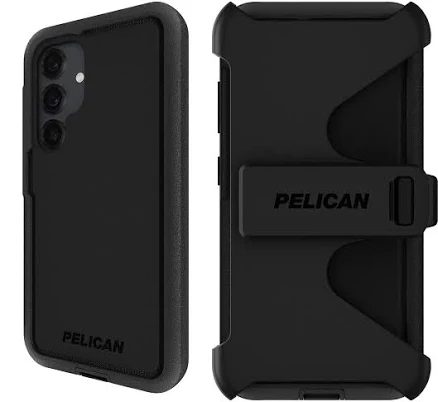
Pelican · Waterproof Phone Cases
Pelican Voyager Case for Galaxy S25
No coating described, and no PFAS statement from the brand.
The product information we reviewed describes polycarbonate shell with foam liner, with no water-repellent coating named. Water resistance on products like this usually comes from the material and its seals rather than a surface treatment. The brand has published no PFAS statement for it.
We flunk more products than we pass. This one earned its grade. How we grade
Material
Polycarbonate shell with foam liner
Lab data
No public lab test
What Pelican Voyager Case for Galaxy S25 is made of, ingredients and materials
The Voyager case uses polycarbonate for the outer shell and foam for internal padding. Polycarbonate is a rigid engineered plastic that does not leach BPA under normal use conditions at room temperature, and the foam liner is inert cushioning material not designed to contact skin or food. The case's waterproofing comes from the seal design and material density, not a chemical coating, so there is no risk of degradation-related leaching from treatments.
What’s concerning
Category baseline
The starting point for this type of product, before anything specific to this product is counted.
No PFAS disclosure
No public statement from the brand about PFAS in this product.
Foam liner degradation
Foam padding can break down over 3-5 years from repeated compression cycles or exposure to oils and moisture, potentially releasing small particles. This is a mechanical durability issue rather than a toxicological hazard, but visible deterioration warrants replacement.
What’s reassuring
Base material not linked to PFAS
The main material recorded for this product is not one associated with PFAS.
BPA & bisphenols
Polycarbonate does not typically leach BPA at room temperature during normal phone-case use. Risk would only arise if the case were heated above 60°C or subjected to acidic/alkaline chemical exposure, neither of which occurs in standard mobile protection.
Source, FDA ↗Seal gasket material identity
The waterproof seal is likely elastomer (silicone or EPDM rubber), neither of which is documented to leach hazardous substances under normal use. No brand statement specifies gasket composition, but this is typical for the category and not flagged in public safety records.
Adhesives in assembly
Polycarbonate shells and foam liners may be bonded using industrial adhesives. Pelican's manufacturing standards suggest controlled, low-VOC processes, and off-gassing would be minimal after factory curing. No documented complaints exist for odor or chemical sensitivity from this product line.
Dyes and pigments in colored shell variants
Colored polycarbonate cases may use synthetic organic dyes or mineral pigments. Pelican does not disclose pigment sourcing, but established manufacturers typically use regulated dye suppliers with no known heavy-metal contamination in this product category.
The full breakdown
The brand's record and disclosure
Pelican is a long-established manufacturer of protective equipment and cases with a reputation for durability and minimal hazardous material complaints in the public record. The company does not publish a dedicated PFAS stance and does not appear to have faced major recalls or documented material safety controversies specific to their phone case lines. No third-party certifications (e.g., cradle-to-grave environmental claims) are routinely advertised for this product line.
How it compares in its category
Waterproof phone cases typically rely on elastomer seals and rigid plastic shells; the Voyager's polycarbonate-and-foam design is standard for the mid-to-premium segment. Unlike cheaper cases that may use unspecified rubbers or adhesives, Pelican's established manufacturing suggests better control of material inputs. Cases with metal components or adhesive-bonded seams pose slightly higher leachability risks; this design avoids those complexity points.
If you buy it
Store the case away from prolonged direct sunlight or extreme heat above 60-70°C, as polycarbonate can degrade and become brittle over years of UV exposure. Rinse the seal gaskets with fresh water after saltwater or chlorinated-pool use to prevent mineral buildup that can compromise waterproofing. Replace the case if the foam liner shows visible compression, cracks, or separation, as these reduce impact protection. No special cleaners needed; mild soap and water are sufficient for maintenance.
What we don’t know
- Basis
- Model estimate, 35% confidence, not a lab result
- Lab test
- None on record for this exact product
- Brand statement
- Pelican has made a specific claim
Formulations change between production runs, so check the current label. How we grade.
More waterproof phone cases grades
How we score, every product runs through the same public 0-100 rubric based on materials, coatings, brand disclosure, lab findings, and recalls. See the full methodology → Spotted a mistake? Report an error.