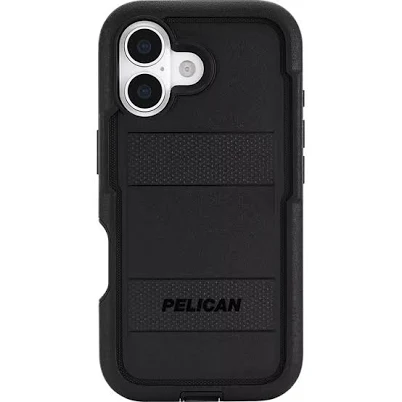
Pelican · Waterproof Phone Cases
Pelican Voyager Holster Case for iPhone 17
No coating described, and no PFAS statement from the brand.
The product information we reviewed describes polypropylene copolymer shell, with no water-repellent coating named. Water resistance on products like this usually comes from the material and its seals rather than a surface treatment. The brand has published no PFAS statement for it.
We flunk more products than we pass. This one earned its grade. How we grade
Material
Polypropylene copolymer shell
Lab data
No public lab test
What Pelican Voyager Holster Case for iPhone 17 is made of, ingredients and materials
The Pelican Voyager uses a polypropylene copolymer shell, a thermoplastic that does not leach BPA, phthalates, or other endocrine disruptors under normal phone-use temperatures (which remain well below the material's melting point of ~140-150C). Polypropylene is chemically inert at room and body-temperature contact, making it not a material linked to PFAS concerns for direct skin and device contact. The copolymer variant typically improves impact resistance and flexibility without requiring plasticizers that pose absorption risks.
What’s concerning
Category baseline
The starting point for this type of product, before anything specific to this product is counted.
No PFAS disclosure
No public statement from the brand about PFAS in this product.
Off-gassing and VOC emission
New polypropylene cases may emit low levels of volatile organic compounds (processing residues) for a short period after manufacture; airing out the case for several hours before extended use can reduce minor odor and chemical detection, though safety risk is minimal at room temperature.
Seal degradation and bacteria/mold growth
Waterproof seals degrade over time with thermal cycling and UV exposure; if seals fail, trapped moisture inside the case can harbor bacterial or mold growth, though this poses no direct material toxicity and is a mechanical/hygiene issue rather than chemical hazard.
What’s reassuring
Base material not linked to PFAS
The main material recorded for this product is not one associated with PFAS.
BPA & bisphenols
Polypropylene copolymer does not typically contain BPA or phthalates as additives; no documented cases of migration from Pelican Voyager cases have been reported.
Source, FDA ↗Microplastic shedding
Hard rigid polypropylene shells do not shed microplastics under normal use conditions; risk is limited to potential surface degradation only after years of UV and impact damage.
Heavy metals
No flame retardants or pigment-based colorants requiring heavy metals are standard in polypropylene phone cases; Pelican has not disclosed use of such additives for the Voyager line, and no regulatory findings of cadmium, lead, or antimony have been published.
Source, FDA ↗The full breakdown
The brand's record and disclosure
Pelican Products is primarily known for rugged protective cases and equipment, with no major documented safety recalls tied to material toxicity in phone cases. The brand does not publicly disclose detailed chemical composition or independent certifications (such as SafetyGrade, Cradle2Cradle, or others) for the Voyager line, which is typical for the hard-case market but limits transparency. No established complaints or regulatory findings of hazardous off-gassing, migration, or contamination have been publicly recorded for this product line.
How it compares in its category
Hard polypropylene cases like the Voyager avoid the microplastic shedding risk present in some silicone or rubber cases and the BPA exposure risk of older polycarbonate designs. The rigid construction and sealed waterproof design mean minimal surface-area contact with skin compared to full-coverage silicone cases, reducing dermal exposure to any residual processing chemicals. This positions it as a lower-risk option within the waterproof phone case category, though durability and real-world longevity outweigh chemical safety as the main differentiator.
If you buy it
Polypropylene is robust in normal phone-use environments and does not require special cleaning beyond mild soap and water; avoid prolonged exposure to direct sunlight or heat above 60C to preserve seal integrity. The case will eventually degrade (cracks, seal failure) from drop impacts or UV exposure over years, at which point replacement is appropriate. No chemical off-gassing or leaching is expected during normal use; if the case develops visible cracks or seal separation, retire it to avoid dirt and moisture ingress into the phone.
What we don’t know
- Basis
- Model estimate, 35% confidence, not a lab result
- Lab test
- None on record for this exact product
- Brand statement
- Pelican has made a specific claim
Formulations change between production runs, so check the current label. How we grade.
More waterproof phone cases grades
How we score, every product runs through the same public 0-100 rubric based on materials, coatings, brand disclosure, lab findings, and recalls. See the full methodology → Spotted a mistake? Report an error.