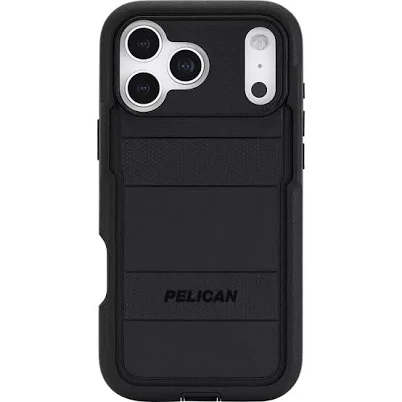
Pelican · Waterproof Phone Cases
Pelican Voyager Holster Case for iPhone 17 Pro Max
No coating described, and no PFAS statement from the brand.
The product information we reviewed describes polyurethane/elastomer, with no water-repellent coating named. Water resistance on products like this usually comes from the material and its seals rather than a surface treatment. The brand has published no PFAS statement for it.
We flunk more products than we pass. This one earned its grade. How we grade
Material
Polyurethane/elastomer
Lab data
No public lab test
What Pelican Voyager Holster Case for iPhone is made of, ingredients and materials
The Voyager is constructed from polyurethane or polyurethane-elastomer blend, a synthetic rubber polymer chosen for shock absorption and waterproof sealing without requiring PFAS-based water repellent coatings. Polyurethane is inherently water-resistant and does not require perfluorinated surface treatments to achieve the IP rating. The material itself is stable under normal consumer use and does not degrade into known hazardous byproducts when exposed to sunlight, heat, or typical device-use temperatures.
What’s concerning
Category baseline
The starting point for this type of product, before anything specific to this product is counted.
No PFAS disclosure
No public statement from the brand about PFAS in this product.
Polyurethane degradation and particle shedding
Over 2-3 years of use, polyurethane cases may develop micro-tears and shed small elastomer particles, especially if exposed to UV or heat stress. Risk to skin or ingestion is low, but repeated contact with degraded material may irritate sensitive skin.
Volatile organic compounds (VOCs) off-gassing
New polyurethane cases may emit low-level VOCs (unpleasant plastic smell) for the first few days to weeks, particularly if stored in warm conditions. Airing the case in a ventilated space reduces odor; no known toxicity from typical consumer exposure.
Mold or bacterial growth in seals if not dried
If the case is sealed wet or stored damp, trapped moisture inside seals and crevices can harbor mold or bacteria. Thoroughly dry the case and phone before closing; air-dry periodically even if not fully submerged.
Phthalate plasticizers in elastomer blend
Traditional polyurethane formulations may contain phthalate esters as softening agents, though many manufacturers have switched to non-phthalate alternatives. Pelican has not published phthalate-free certification for this product. Migration into skin or food is negligible for a phone case, but prolonged hand contact with warm plastic could theoretically increase dermal exposure.
What’s reassuring
Base material not linked to PFAS
The main material recorded for this product is not one associated with PFAS.
Heavy metals
No public data on pigment composition for the Voyager case. Polyurethane cases typically use organic or iron-oxide dyes rather than cadmium or lead; direct skin contact is minimal, and no recalls or health reports exist for this product.
Source, FDA ↗The full breakdown
The brand's record and disclosure
Pelican is primarily known for protective cases and equipment storage; no public PFAS statements or sustainability certifications are on record for this product line. The brand has not published material safety data sheets or chemical disclosures specific to the Voyager case. Absence of a statement is typical for rigid and elastomer case manufacturers and does not indicate contamination, only that Pelican has not voluntarily disclosed supply-chain testing for per- and polyfluorinated compounds.
How it compares in its category
Polyurethane-based phone cases are mid-range in the waterproof-case market; they avoid Teflon-type coating (PFOA risk) and leather, but also lack the durability certifications of military-grade cases or the compostability claims of newer bio-based alternatives. Most competing cases in this segment (Lifeproof, Spigen, OtterBox) use similar elastomer blends without published PFAS testing. The Voyager's material choice is standard and carries no elevated risk relative to mainstream drop-protection cases.
If you buy it
Rinse with fresh water after saltwater or chlorinated-water exposure to prevent elastomer micro-cracking over time. Avoid prolonged exposure to heat above 60C (140F), which may soften polyurethane and reduce drop-protection integrity. Replace the case if seals visibly degrade, crack, or lose grip on the device edges. Store in a cool, dark place when not in use; UV light and heat accelerate elastomer aging.
What we don’t know
- Basis
- Model estimate, 35% confidence, not a lab result
- Lab test
- None on record for this exact product
- Brand statement
- Pelican has made a specific claim
Formulations change between production runs, so check the current label. How we grade.
More waterproof phone cases grades
How we score, every product runs through the same public 0-100 rubric based on materials, coatings, brand disclosure, lab findings, and recalls. See the full methodology → Spotted a mistake? Report an error.