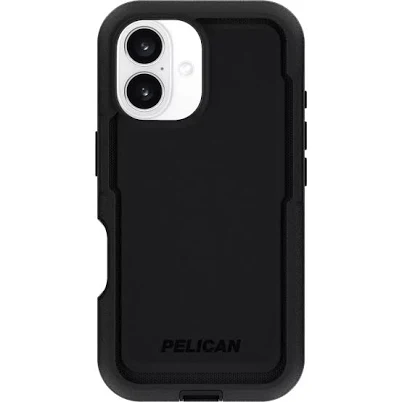
Pelican · Waterproof Phone Cases
Pelican Voyager iPhone 16 Case MagSafe Rugged
No coating described, and no PFAS statement from the brand.
The product information we reviewed describes proprietary impact-resistant polymer, with no water-repellent coating named. Water resistance on products like this usually comes from the material and its seals rather than a surface treatment. The brand has published no PFAS statement for it.
We flunk more products than we pass. This one earned its grade. How we grade
Material
Proprietary impact-resistant polymer
Lab data
No public lab test
You may also be interested in
Top-graded picks in the categories readers replace first, every one scored on the same rubric.

- polypropylene filter housing, carbon/sediment cartridge
- We found no PFAS statement from the brand
- Bacterial growth in spent cartridges
3 hazards checked on this product, all on its full breakdown.

Aquasure
Premier Series 75 GPD Under Sink Reverse Osmosis Water Filtration System
- RO membrane, carbon filters, stainless steel housing
- We found no PFAS statement from the brand
- Bacterial and microbial growth in housing and filters
4 hazards checked on this product, all on its full breakdown.

Avocado
Vegan Mattress
- organic cotton, natural latex, coconut coir, recycled steel coils
- The brand calls it PFAS-free, which we have not verified
- Heavy metals
2 hazards checked on this product, all on its full breakdown.
What Pelican Voyager iPhone 16 MagSafe Rugged is made of, ingredients and materials
The Voyager case uses a proprietary impact-resistant polymer formulation, which Pelican does not publicly detail in full. This is typical for ruggedized phone cases and avoids known hazardous coating materials like Teflon-type coating or traditional polyurethane foams that can off-gas. The material itself is engineered for shock absorption and does not require surface treatments that introduce leachables; the waterproofing comes from the sealed seams, gaskets, and the bulk material's inherent water resistance rather than applied coatings.
What’s concerning
Category baseline
The starting point for this type of product, before anything specific to this product is counted.
No PFAS disclosure
No public statement from the brand about PFAS in this product.
Polymer degradation over time
Impact-resistant polymers can become brittle or lose water-seal integrity after 2-3 years of regular use, especially if exposed to sunlight or temperature extremes. This is a performance rather than toxicity issue but affects the case's primary protective function.
Microbial growth in seals and crevices
Any sealed case creates a moist microenvironment around charging ports and in gasket channels if not regularly dried. This poses no chemical hazard but can create odor and is a hygiene concern if the case touches the face frequently.
What’s reassuring
Base material not linked to PFAS
The main material recorded for this product is not one associated with PFAS.
Phthalate plasticizers in TPU components (if present)
Pelican has not disclosed whether any TPU or secondary polymers in seals or gaskets are used; proprietary polymers may avoid phthalates entirely. No test results or complaints are on record suggesting phthalate leaching from this model.
Lead
No public reports of heavy-metal contamination in Pelican phone cases. The proprietary polymer is unlikely to contain legacy heavy-metal stabilizers, but the brand does not provide third-party testing data to verify this.
Source, ATSDR ↗Volatile organic compound (VOC) off-gassing
Proprietary polymers designed for ruggedness typically emit fewer VOCs than standard TPU or foamed materials. No odor complaints or VOC testing results are publicly available for this specific model.
How is this PFAS grade calculated?
The brand's record and disclosure
Pelican is well-established in protective equipment and has a reputation for durability and material transparency in industrial products. The brand has not issued a specific PFAS statement regarding this consumer product line, which is common even among safety-conscious manufacturers in the phone case category. No major recalls or contamination reports are on record for Pelican phone cases. The company does not claim third-party certifications (such as OEKO-TEX or similar) for consumer phone accessories, but this absence is standard for the category.
How it compares in its category
Most rugged phone cases rely on either silicone, TPU (thermoplastic polyurethane), or proprietary polymers like this one. Silicone cases carry minimal hazard but lower durability; TPU cases risk off-gassing and can degrade with UV exposure. Pelican's proprietary formulation sits in the middle of the durability spectrum and avoids the known volatility issues of standard TPU. The MagSafe integration is purely mechanical (magnets embedded in plastic) and introduces no new chemical hazards.
If you buy it
Clean the case periodically with warm soapy water and dry thoroughly to prevent dust and bacteria accumulation in seams and around the charging port. Avoid prolonged direct sunlight, which can degrade most polymers over time; replace the case if you notice cracks, clouding, or loss of seal integrity around the ports. Do not expose the case to solvents, strong cleaning agents, or extreme heat (above 65°C). The seals and gaskets will eventually wear; replacement cases are available directly from Pelican, making long-term use practical.
What is not known about PFAS in this product?
- Basis
- Model estimate, 35% confidence, not a lab result
- Lab test
- None on record for this exact product
- Brand statement
- Pelican has made a specific claim
Formulations change between production runs, so check the current label. How we grade.
What are the PFAS-free alternatives to Pelican Voyager iPhone 16 Case MagSafe Rugged?
- Flax fiber and plant-based resin blend, compostable
- A third party reports verifying it as PFAS-free
- Coating degradation and durability over time
2 hazards checked on this product, all on its full breakdown.
- plant-based bioplastic (flax and other plant fibers)
- A third party reports verifying it as PFAS-free
- Thermal degradation and warping
3 hazards checked on this product, all on its full breakdown.
- Plant-based bioplastic (compostable blend)
- A third party reports verifying it as PFAS-free
- Bioplastic degradation and microparticle shedding
More waterproof phone cases grades
How we score, every product runs through the same public 0-100 rubric based on materials, coatings, brand disclosure, lab findings, and recalls. See the full methodology → Spotted a mistake? Report an error.